
1. When a motorized vehicle breaks down on the expressway, the driver should place a warning sign 50 meters ~ 100 meters in the coming direction.
A. Right
B. Wrong
Answer:B
2. If the driver finds there is no vehicle following, he can change lanes without turning on the turn signal.
A. Right
B. Wrong
Answer:B
3. Whats the meaning of this sign?
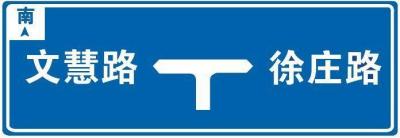
A. T-shaped intersection ahead
B. road branching point ahead
C. Y-shaped intersection ahead
D. intersection ahead
Answer:A
4. The validity of the driving license which is initially applied for is 4 years.
A. Right
B. Wrong
Answer:B
5. Which is correct when learning driving on road?
A. drive the corresponding coach car with coach sitting by to guide
B. drive the corresponding coach car alone
C. drive the corresponding coach car with other one who is not a coach sitting by to guide
D. drive the private car with coach sitting by to guide
Answer:A
6. Whats the meaning of this sign?
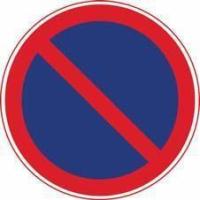
A. no stopping temporarily
B. no long stopping
C. no stopping
D. long stopping is allowed
Answer:B
7. Before a vehicle enters a curve of a mountain road, the driver ______ if there is no vehicle coming in the opposite direction.
A. Should reduce speed, honk and drive on the right side
B. Should drive along the outer side of the curve
C. May briefly borrow the opposite lane
D. May speed up and pass along the tangent line of the curve
Answer:A
8. What does this sign mean?
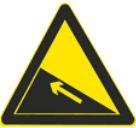
A. Reminding the side of a reservoir, lake or river ahead
B. Reminding the steep uphill road ahead
C. Reminding continuous two or more up slopes ahead
D. Reminding the steep downhill road ahead
Answer:B
9. In which section cannot overtake?
A. mountain road
B. urban elevated road
C. urban expressway
D. narrow bridge and curve
Answer:D
10. When a vehicle goes downhill, it may fully use the neutral gear and slide.
A. Right
B. Wrong
Answer:B
11. This sign means the opposite vehicle should stop to yield when crossing each other.
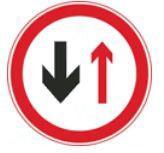
A. Right
B. Wrong
Answer:B
12. It lights to indicate that ______

A. engine compartment is opened
B. cover of fuel tank is opened
C. doors of both sides are opened
D. luggage compartment is opened
Answer:C
13. Whats the meaning of the diamond broken lines on the road?
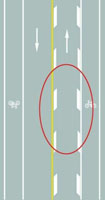
A. road construction marking
B. vertical deceleration marking
C. horizontal deceleration marking
D. fewer lanes indication marking
Answer:B
14. Does not affect normal driving when it lights

A. Right
B. Wrong
Answer:B
15. Whats the meaning of this sign?
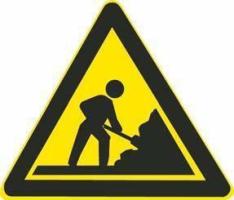
A. landslide section
B. construction section
C. factory ahead
D. jammed road
Answer:B
16. If a motorized vehicle breaks down or causes a traffic accident on the expressway and cannot to run normally, the vehicle should be towed by ______.
A. a vehicle passing by
B. a large bus
C. a vehicle traveling together
D. a tow truck
Answer:D
17. When a vehicle starts to move at night, the driver should first turn on the low beam light.
A. Right
B. Wrong
Answer:A
18. Whats the meaning of this guide arrow?
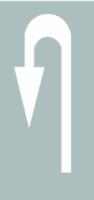
A. change to left lane
B. going straight ahead
C. U turn ahead
D. right turn ahead
Answer:C
19. Whats the meaning of the double white solid lines in far front of the intersection?

A. stopping and yield line
B. slowdown and yield line
C. left-turn waiting line
D. waiting to run line
Answer:A
20. When a vehicle changes lane, the driver should turn on the turn signal and rapidly enter the new lane.
A. Right
B. Wrong
Answer:B
21. When a motorized vehicle runs in a foggy weather, the driver should turn on the fog light and the hazard lights.
A. Right
B. Wrong
Answer:A
22. Before a vehicle enters an intersection, the driver should reduce speed, observe and make sure it is safe to do so.
A. Right
B. Wrong
Answer:A
23. When the driver is suspected of drinking or drunk in a traffic accident, preserve the scene and immediately report to the police.
A. Right
B. Wrong
Answer:A
24. After a vehicle enters the ramp, the driver should swiftly increase the speed to more than 60 kilometers per hour.
A. Right
B. Wrong
Answer:B
25. Whats the meaning of this sign?
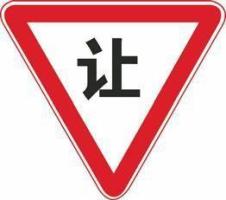
A. no yielding
B. yield while crossing each other
C. reduce speed and yield
D. stop to yield
Answer:C


