
1. When a vehicle changes lane, the driver only needs to turn on the turn signal before rapidly entering the new lane.
A. Right
B. Wrong
Answer:B
2. No running into the middle lane when encountering this situation.
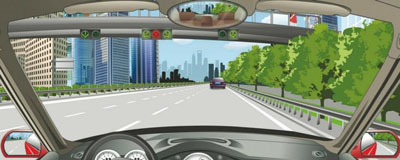
A. Right
B. Wrong
Answer:A
3. When driving in thick or extremely thick fog, the driver should ____ due to low visibility.
A. Turn on the head light and keep driving
B. Turn on the contour light, fog light and drive along the right side
C. Turn on the hazard lights and keep driving
D. Turn on the hazard lights, fog light, and stop at a safe place
Answer:D
4. What does the traffic light mean?
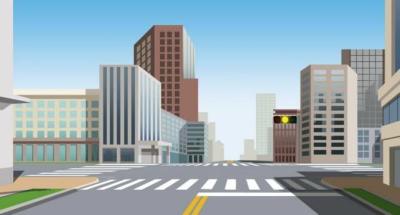
A. speed up and turn left
B. no right turn
C. intersection warning
D. speed and run straight
Answer:C
5. When reaching an intersection, the driver should _____ if a turning vehicle cuts in.
A. Stop to evade
B. Maintain the normal speed
C. Speed up and pass ahead of it
D. Honk and pass ahead of it
Answer:A
6. You can drive directly into the expressway from this position.
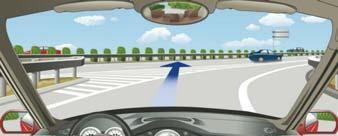
A. Right
B. Wrong
Answer:B
7. It lights to indicate that ______
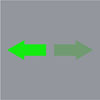
A. left-turn signal flashes
B. front and rear width lights light on
C. front and rear width lights light on
D. right-turn signal flashes
Answer:A
8. Within how long should a driver whose information has changed apply for new license?
A. 30 days
B. 40 days
C. 50 days
D. 60 days
Answer:A
9. Whats the meaning of this sign?
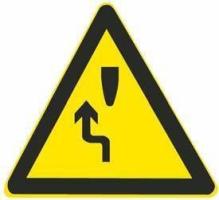
A. watch for danger
B. bypass from right side
C. bypass from left side
D. one-way pass
Answer:C
10. How to run when encountering this situation?
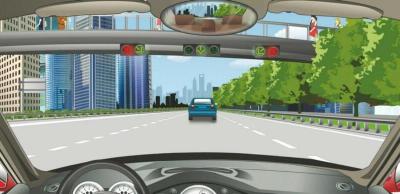
A. speed up to enter the lane of either side
B. enter the right lane
C. reduce speed and enter the lane of either side
D. can not run in the lane of neither side
Answer:D
11. Whats the meaning of the double white broken lines in far front of the intersection?
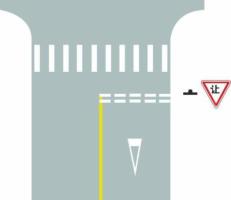
A. waiting to run line
B. stopping and yield line
C. slowdown and yield line
D. left-turn waiting line
Answer:C
12. Whats the meaning of this sign?
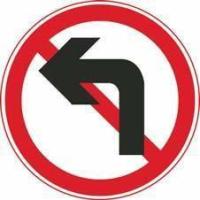
A. no U turn
B. no changing to left lane
C. no turning left
D. no entering the left lane
Answer:C
13. Traffic Police can detain the vehicle according to law if the driver does not carry the IDcard.
A. Right
B. Wrong
Answer:B
14. Pass the crossing as fast as possible if there is a red light at the intersection of a road or a level crossing.
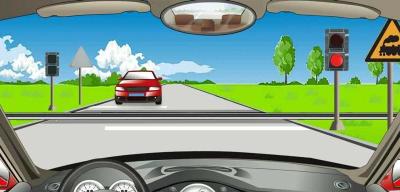
A. Right
B. Wrong
Answer:B
15. When a motorized vehicle breaks down at night, and is difficult to move, the driver should turn on the hazard lights, the contour lights and the tail lights.
A. Right
B. Wrong
Answer:A
16. When a vehicle changes lane before an intersection, the driver should do so ______.
A. In the area marked by solid lines before the intersection
B. In the area marked by solid lines in the intersection
C. In the area marked by broken lines as indicated by the guide arrow
D. Before the stop line at the intersection
Answer:C
17. Whats the meaning of this guide arrow?
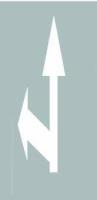
A. going straight or U turn
B. going straight or left turn
C. going straight or changing to left lane
D. left turn or U turn
Answer:B
18. In which section cannot overtake?
A. main streets
B. elevated road
C. crosswalk
D. ring express
Answer:C
19. At this position, you may speed up to pass through the section.
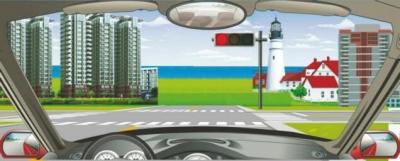
A. Right
B. Wrong
Answer:B
20. What pedal is it?
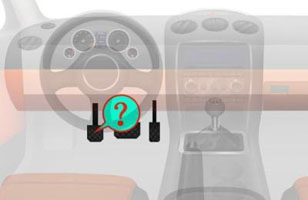
A. clutch pedal
B. brake pedal
C. handbrake
D. accelerator pedal
Answer:A
21. Which should be carried onboard?
A. insurance policy
B. vehicle license
C. certificate of ex-factory inspection
D. vehicle registration papers
Answer:B
22. A vehicle should try to speed up after starting from the roadside and rapidly turn left into the traffic flow on the road.
A. Right
B. Wrong
Answer:B
23. How to use lights at night while crossing each other on narrow road or bridge?
A. turn off all the lights
B. turn on the low beam lights
C. turn off the head lights
D. turn on high beam lights
Answer:B
24. This set of the hand signals of the traffic police indicates that the vehicles should ___ .
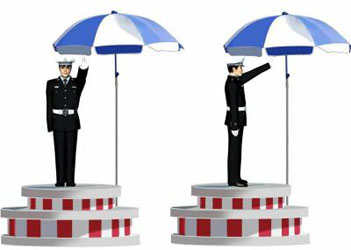
A. turn right
B. pull over
C. turn left
D. stop
Answer:D
25. When driving a vehicle through an inundated road with non-motorized vehicles on both sides, the driver should _________.
A. Reduce speed and go slowly
B. Go forward normally
C. Speed up and pass
D. Continuously honk
Answer:A


