
1. In which situation cannot overtake a vehicle in front?
A. vehicle in front is reducing speed to yield
B. vehicle in front is turning left
C. vehicle in front is pulling over by the roadside
D. vehicle in front is turning right
Answer:B
2. When a vehicle goes downhill, the driver should properly control the speed and fully use the engine to brake.
A. Right
B. Wrong
Answer:A
3. Whats the meaning of this sign?
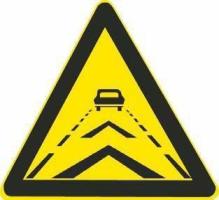
A. section narrows on both sides
B. section for speed test
C. section for ascertaining the distance between the vehicles
D. pay attentions to keeping distance
Answer:D
4. If a motorized vehicle breaks down or causes a traffic accident on the expressway and cannot to run normally, the vehicle should be towed by ______.
A. a vehicle passing by
B. a large bus
C. a vehicle traveling together
D. a tow truck
Answer:D
5. ABS system can maximize the braking efficiency when conducting _______
A. braking intermittently
B. braking continuously
C. applying emergency braking
D. gently depressing the brake pedal
Answer:C
6. Traffic Police can detain the driver according to law, if the driver drives a motorized vehicle which is suspected of reaching the write-off standard.
A. Right
B. Wrong
Answer:B
7. The driver is prohibited from opening the door and letting passengers on and off when a vehicle has not come to a full stop.
A. Right
B. Wrong
Answer:A
8. After a vehicle enters the ramp, the driver should swiftly increase the speed to more than 60 kilometers per hour.
A. Right
B. Wrong
Answer:B
9. Stopping the vehicle temporarily in the crosswalk is the act of violation of the law.
A. Right
B. Wrong
Answer:A
10. Whats the meaning of this sign?
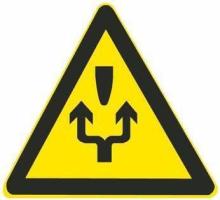
A. bypass at construction section
B. two-way traffic
C. bypass from left or right side
D. watch for danger
Answer:C
11. When the driver senses a tire blowout on the road, he should control the direction of the vehicle and use emergency braking to bring the vehicle swiftly to a stop.
A. Right
B. Wrong
Answer:B
12. Which is correct when learning driving on road?
A. drive the corresponding coach car with coach sitting by to guide
B. drive the corresponding coach car alone
C. drive the corresponding coach car with other one who is not a coach sitting by to guide
D. drive the private car with coach sitting by to guide
Answer:A
13. When a vehicle follows another vehicle on a mountain road, it should ____.
A. Properly increase the safe distance
B. Closely follow the vehicle in front
C. Properly reduce the safe distance
D. Try to find a chance to overtake
Answer:A
14. When driving a small vehicle downhill, the driver may coast down by stopping the engine.
A. Right
B. Wrong
Answer:B
15. When a vehicle runs on a narrow mountain road, the driver should ______ if the party close to the mountain mass refuses to yield.
A. Honk to urge the other party to yield
B. Maintain the normal speed
C. Reduce speed or stop to yield
D. Use the left lane and pass with care
Answer:C
16. Max speed when pass the narrow road or bridge is _______
A. 50km/hr
B. 40km/hr
C. 30km/hr
D. 60km/hr
Answer:C
17. The driver who drives after drunk is subject to ______
A. a criminal restriction and a fine
B. a prison term of more than 2 years
C. a criminal detention and a fine
D. a prison term of less than 2 years
Answer:C
18. Whats the meaning of this sign?
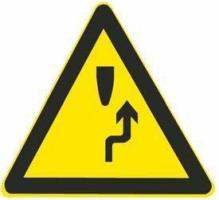
A. bypass from right side
B. one-way passing
C. watch for danger
D. bypass from left side
Answer:A
19. The cycle for recording the accumulated penalty points for violating road traffic regulations is ____________.
A. 14 months
B. 12 months
C. 6 months
D. 10 months
Answer:B
20. This sign indicates intersection ahead.
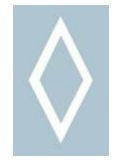
A. Right
B. Wrong
Answer:B
21. May turn right when encountering this traffic light at the intersection.
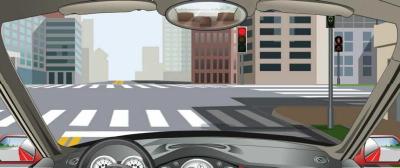
A. Right
B. Wrong
Answer:A
22. Whats the meaning of this sign?
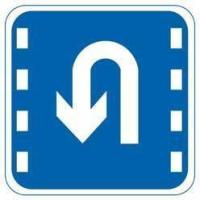
A. U turn lane
B. bypassing lane
C. lanes for going in different directions
D. left-turn lane
Answer:A
23. When encountering an overflowing bridge, the driver should look at the situation, and passes through slowly before he makes sure that it is safe to do so.
A. Right
B. Wrong
Answer:A
24. In the course of reversing, the driver should move slowly, observe the conditions on both sides and in the rear and be ready to stop anytime.
A. Right
B. Wrong
Answer:A
25. What is the max speed on the expressway when the visibility is lower than 200m?
A. less than 100km/hr
B. less than 90km/hr
C. less than 60km/hr
D. less than 80km/hr
Answer:C


