
1. Whats the meaning of this sign?
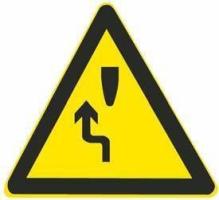
A. watch for danger
B. bypass from right side
C. bypass from left side
D. one-way pass
Answer:C
2. Whats the meaning of this sign?
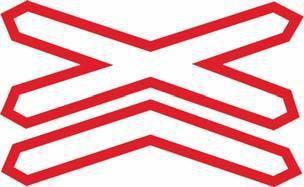
A. a manned level crossing
B. an unmanned level crossing
C. multi-crossing of railway and road
D. yielding the train with care
Answer:C
3. Whats the meaning of this sign?
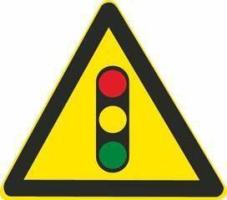
A. crosswalk lights
B. watch for pedestrians
C. attention to traffic lights
D. intersection
Answer:C
4. When a vehicle passes a sharp curve, it may overtake if traffic is light.
A. Right
B. Wrong
Answer:B
5. When driving in a heavy rain, the driver should control the speed to avoid the danger arising from water slide.
A. Right
B. Wrong
Answer:A
6. The cycle for recording the accumulated penalty points for violating road traffic regulations is ____________.
A. 14 months
B. 12 months
C. 6 months
D. 10 months
Answer:B
7. Whats the meaning of the white solid lines at the edge of the carriageway on both sides of the road?
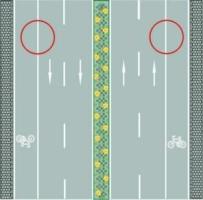
A. Vehicles may cross temporarily
B. Vehicles are not allowed to cross.
C. Motorized vehicles may cross temporarily.
D. Non-motorized vehicles may cross temporarily
Answer:B
8. How to do when causing a minor traffic accident with no human casualties and no dispute?
A. do not move the vehicle
B. counsel other vehicles bypass
C. leave the scene and discuss on their own
D. protect the scene and discuss
Answer:C
9. What marking is the road mark in the circle?
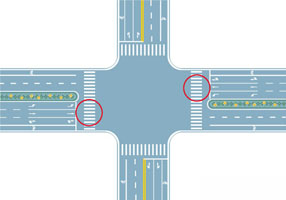
A. crosswalk line
B. slowdown and yield line
C. stopping and yield line
D. intersection signal line
Answer:A
10. It lights to indicate that ______

A. the hazard lights flash
B. right-turn signal flashes
C. left-turn signal flashes
D. front and rear width lights flash
Answer:A
11. Traffic Police can detain the driver according to law, if the driver drives a motorized vehicle which is suspected of reaching the write-off standard.
A. Right
B. Wrong
Answer:B
12. ABS system can maximize the braking efficiency when conducting _______
A. braking intermittently
B. braking continuously
C. applying emergency braking
D. gently depressing the brake pedal
Answer:C
13. It lights to indicate that ______

A. handbrake released
B. foot brake failure
C. braking system is abnormal
D. the brake pedal does not return back
Answer:C
14. Whats the meaning of this sign?
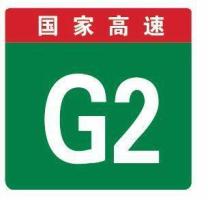
A. expressway mileage No.
B. expressway border plate No.
C. expressway name No.
D. expressway section No.
Answer:C
15. When a motorized vehicle breaks down at night, and is difficult to move, the driver should turn on the hazard lights, the contour lights and the tail lights.
A. Right
B. Wrong
Answer:A
16. It lights continuously to indicate that engine control system failed.
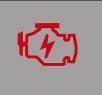
A. Right
B. Wrong
Answer:A
17. May directly turn left in front of the vehicle coming opposite when encountering this traffic light.
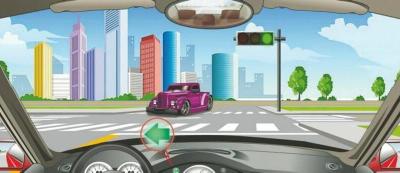
A. Right
B. Wrong
Answer:B
18. When a vehicle starts to move at night, the driver should first turn on the low beam light.
A. Right
B. Wrong
Answer:A
19. When a vehicle changes lane, the driver only needs to turn on the turn signal before rapidly entering the new lane.
A. Right
B. Wrong
Answer:B
20. Stop the vehicle and observe when reaching the level crossing in this situation.
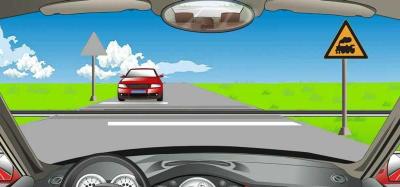
A. Right
B. Wrong
Answer:A
21. Whats the meaning of this guide arrow?
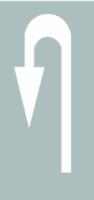
A. change to left lane
B. going straight ahead
C. U turn ahead
D. right turn ahead
Answer:C
22. When a vehicle changes lane before an intersection, the driver should do so ______.
A. In the area marked by solid lines before the intersection
B. In the area marked by solid lines in the intersection
C. In the area marked by broken lines as indicated by the guide arrow
D. Before the stop line at the intersection
Answer:C
23. Which is correct in this kind of intersection?
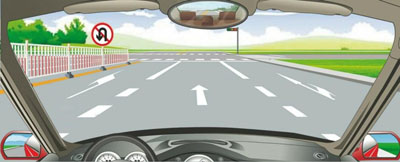
A. make a U turn along the left lane
B. cannot make a U turn
C. make a U turn through the middle lane
D. make a U turn inside the intersection
Answer:B
24. When a vehicle changes lane, the driver should turn on the turn signal in advance,observe traffic conditions, maintain a safe distance and move into the new lane.
A. Right
B. Wrong
Answer:A
25. The safety pillow is used to protect the driver‘s head when there is a rear-end collision.
A. Right
B. Wrong
Answer:B


