
1. On which kind of city road a vehicle is not allowed to overtake?
A. main streets
B. one-way section
C. section with heavy traffic flow
D. two one-way lanes
Answer:C
2. A driver should observe the dynamic situation of the rear side vehicles before driving into the traffic flow from other road.
A. Right
B. Wrong
Answer:A
3. When a motorized vehicle runs in a foggy weather, the driver should turn on the fog light and the hazard lights.
A. Right
B. Wrong
Answer:A
4. When encountering an ambulance rushing in the same lane in the opposite direction, the driver should ________.
A. Move to the road side, reduce speed or stop to yield
B. Drive on by using another lane
C. Speed up and change lane to avoid
D. Continue to go in the original lane
Answer:A
5. What device does the switch of this symbol control?
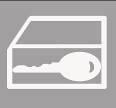
A. window glasses of both sides
B. electric door
C. door unlock
D. child safety lock
Answer:C
6. This sign indicates jammed section ahead and passing slowly.
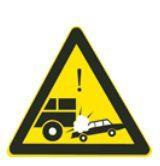
A. Right
B. Wrong
Answer:B
7. As the traffic flow at an interchange is generally one-way, the vehicles do not have to reduce speed when passing.
A. Right
B. Wrong
Answer:B
8. If the license plate of a motorized vehicle has been destroyed, the owner of the vehicle should apply for reissuing or changing to the vehicle management station at the registration place.
A. Right
B. Wrong
Answer:A
9. A vehicle is not allowed to make a U turn on the ramp of an expressway.
A. Right
B. Wrong
Answer:A
10. It lights when turning on the front fog light.

A. Right
B. Wrong
Answer:B
11. How to use lights in this weather condition?
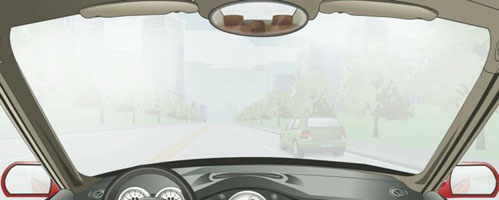
A. use high beam lights
B. use fog lights
C. not use any light
D. turn on the right-turn signal
Answer:B
12. Which is correct if a vehicle breaks down and is difficult to move?
A. turn on the hazard lights
B. turn on all the lights of the vehicle
C. forbid the passengers to get off
D. place a warning sign in front of the vehicle
Answer:A
13. When a vehicle approaches a bus stopping at a bus stop, the driver should ______ in case the bus starts up suddenly or pedestrians cross in front of the bus.
A. Reduce speed, keep a sufficient distance and be ready to stop anytime
B. Maintain the normal speed
C. Honk to remind, speed up and pass
D. Be ready to apply emergency braking
Answer:A
14. The vehicle is allowed to _______ at this intersection.
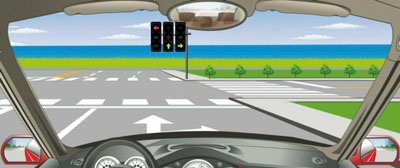
A. go straight or turn right
B. turn left
C. go straight or turn left
D. turn left or turn right
Answer:A
15. No turning right when encountering this traffic light at the intersection.
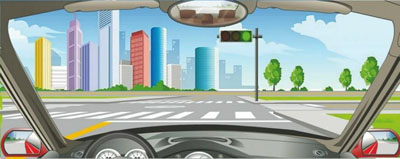
A. Right
B. Wrong
Answer:B
16. This sign warns obstacles ahead and reducing speed to bypass.
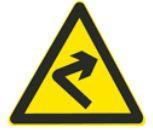
A. Right
B. Wrong
Answer:B
17. What is the max speed when passing a level crossing?
A. 15km/hr
B. 20km/hr
C. 30km/hr
D. 40km/hr
Answer:C
18. May directly turn left in front of the vehicle coming opposite when encountering this traffic light.
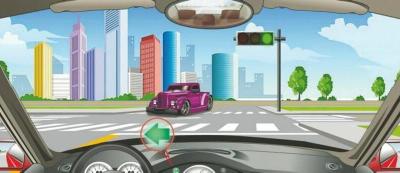
A. Right
B. Wrong
Answer:B
19. When an accident has caused congestion on an expressway, the vehicles may run in the emergency strip on the right or in the shoulder of the road.
A. Right
B. Wrong
Answer:B
20. The seat belts can reduce the injury of the driver and passengers when there is a collision.
A. Right
B. Wrong
Answer:A
21. When a motorized vehicle causes a minor traffic accident and obstructs traffic flow, it does not need to move.
A. Right
B. Wrong
Answer:B
22. A motorized vehicle runs on the road without a label of inspection, the traffic police can detain the vehicle.
A. Right
B. Wrong
Answer:A
23. When a vehicle wades across the water, the driver should maintain a low speed, and _____ the brake pedal so as to restore the braking efficiency.
A. Continuously and strongly depress
B. Intermittently and strongly depress
C. Continuously and gently depress
D. Intermittently and gently depress
Answer:D
24. Causing a traffic accident due to violating the law and regulations on road traffic safety is the rule-breaking act.
A. Right
B. Wrong
Answer:B
25. Must reduce the frequency of honking in this section.
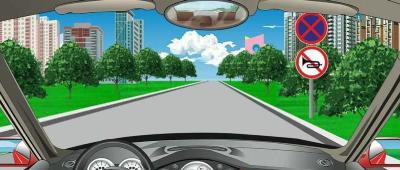
A. Right
B. Wrong
Answer:B


