
1. Whats the meaning of this sign?
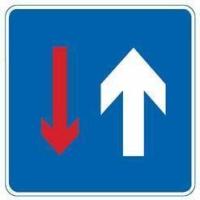
A. stop to yield
B. one-way road
C. going first when crossing each other
D. the opposite vehicle goes first when crossing each other
Answer:C
2. Whats the meaning of this sign?
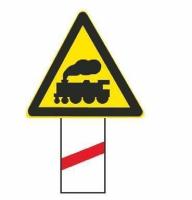
A. an unmanned level crossing 100m ahead
B. a manned level crossing 100m ahead
C. an unmanned level crossing 50m ahead
D. a manned level crossing 50m ahead
Answer:C
3. Driving a small passenger vehicle on the expressway, the minimum speed should not be less than 90 kilometers per hour.
A. Right
B. Wrong
Answer:B
4. This sign reminds the lane or the road narrows on both sides ahead.
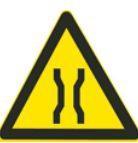
A. Right
B. Wrong
Answer:B
5. Which kind of sign is it?
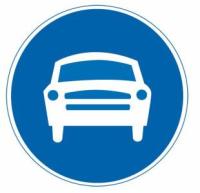
A. warning sign
B. prohibitive sign
C. indicative sign
D. directional sign
Answer:C
6. Whats the meaning of this sign?
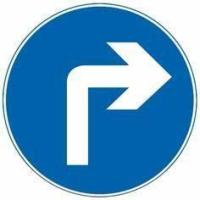
A. turn right
B. one-way road
C. going straight only
D. straight-going lane
Answer:A
7. When a motorized vehicle crosses a non-motorized vehicle on a narrow road or a narrow bridge at night, the motorized vehicle should use the high beam light.
A. Right
B. Wrong
Answer:B
8. It lights to indicate that engine compartment is opened.

A. Right
B. Wrong
Answer:B
9. How to use lights when changing to the left lane on road?
A. turn on the right-turn signal in advance
B. not need to turn on any turn signal
C. turn on the left-turn signal in advance
D. turn on the low beam lights in advance
Answer:C
10. A vehicle running on an expressway may frequently change lanes.
A. Right
B. Wrong
Answer:B
11. What to do besides controlling speed less than 20km/hr when the visibility is lower than 50 meters on the expressway?
A. run in the emergency lane
B. leave the expressway as soon as possible
C. stop by the roadside as soon as possible
D. run slowly in the road shoulder
Answer:B
12. Honking in a foggy day can arouse the attention of the opposite side. After hearing the honking from the opposite side, the driver should also honk to respond.
A. Right
B. Wrong
Answer:A
13. The vehicle is allowed to _______ at this intersection.
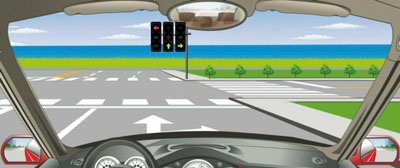
A. go straight or turn right
B. turn left
C. go straight or turn left
D. turn left or turn right
Answer:A
14. What kind of marking are the double yellow solid lines in the middle of the road?
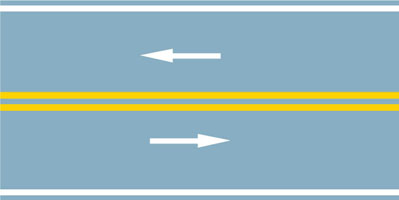
A. auxiliary marking
B. warning sign
C. prohibitive marking
D. indicative marking
Answer:C
15. When a vehicle merges with the traffic flow, the driver should turn on the turn signal in advance, go straight, observe the traffic conditions on both sides through the rear-view mirror, and merge with the traffic flow if it is safe to do so.
A. Right
B. Wrong
Answer:A
16. When driving at night, the driver should go at a lower speed because his field of vision is limited and he can hardly observe the traffic conditions beyond the area covered by his vehicle light.
A. Right
B. Wrong
Answer:A
17. When the light switch is rotated to the position, the whole car lights turn on.
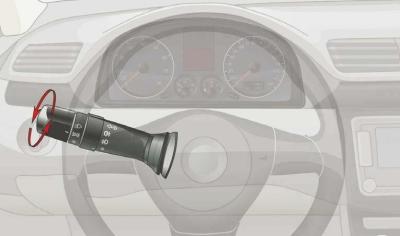
A. Right
B. Wrong
Answer:B
18. When encountering a traffic jam on the expressway, the driver should follow the front vehicle lining up, and immediately turn on the hazard light to prevent rear-end collision.
A. Right
B. Wrong
Answer:A
19. Whats the meaning of this sign?
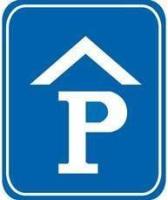
A. special car park
B. uncovered car park
C. indoor car park
D. internal car park
Answer:C
20. It lights to indicate that ______
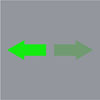
A. left-turn signal flashes
B. front and rear width lights light on
C. front and rear width lights light on
D. right-turn signal flashes
Answer:A
21. This sign warns a sharp left curve ahead.
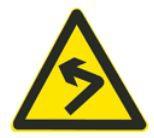
A. Right
B. Wrong
Answer:A
22. Which kind of sign is it?
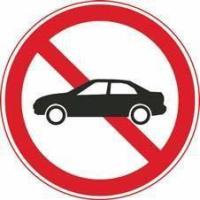
A. warning sign
B. prohibitive sign
C. indicative sign
D. directional sign
Answer:B
23. What is this instrument?
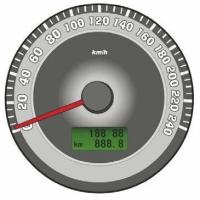
A. speed and mileage meter
B. engine tachometer
C. top speed meter
D. fuel consumption / 100 km
Answer:A
24. You may speed up to go through the intersection in this case.Answer:
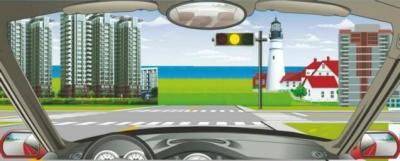
A. Right
B. Wrong
Answer:B
25. What is this traffic sign?
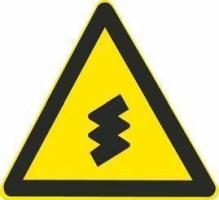
A. slippery section
B. sharp curve
C. inverse curve
D. continuous curves
Answer:D


