
1. This sign reminds serious bump road ahead.
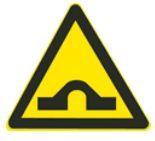
A. Right
B. Wrong
Answer:B
2. Motorized vehicles should pass the intersections according to the traffic signals.
A. Right
B. Wrong
Answer:A
3. May not turn on the turn signal when overtaking.
A. Right
B. Wrong
Answer:B
4. What markings are the two double yellow broken lines on the road?
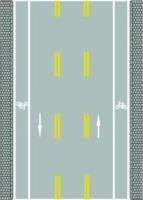
A. two-way lanes dividing line
B. variable lane line
C. lane-dividing line that can be crossed
D. one-way lanes dividing line
Answer:B
5. The double yellow solid lines in the middle of the road are used to separate the traffic flow in opposite directions, crossing the lines to overtake or make a turn is allowed if it is safe.
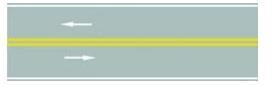
A. Right
B. Wrong
Answer:B
6. What is the Minimum speed in this lane?
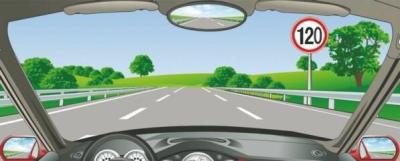
A. 100km/hr
B. 110km/hr
C. 60km/hr
D. 90km/hr
Answer:D
7. Whats the meaning of this guide arrow?
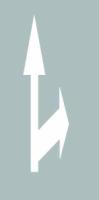
A. indicate going straight or turning right
B. indicate turning right or making a U turn
C. indicate going straight or changing to right lane
D. indicate going straight or making a U turn
Answer:A
8. When a vehicle has increased its speed to more than 60 kilometers per hour on the ramp of an expressway, it may directly enter the carriageway.
A. Right
B. Wrong
Answer:B
9. Which kind of sign is it?
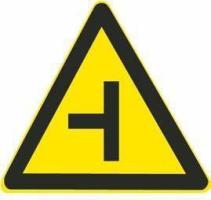
A. warning sign
B. directional sign
C. indicative sign
D. prohibitive sign
Answer:A
10. In which section cannot overtake?
A. main streets
B. elevated road
C. crosswalk
D. ring express
Answer:C
11. When changing lanes on an expressway, the driver should turn on the turn signal in advance, observe the traffic conditions, and slowly turn the steering wheel and enter the new lane after making sure it is safe to do so.
A. Right
B. Wrong
Answer:A
12. What marking is the road mark in the circle?
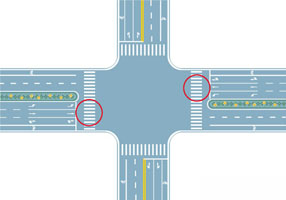
A. crosswalk line
B. slowdown and yield line
C. stopping and yield line
D. intersection signal line
Answer:A
13. When driving in icy and snowy weather, ________.
A. The braking distance becomes longer
B. The resistance to slide becomes larger
C. The braking performance does not change
D. The road grip becomes stronger
Answer:A
14. Whats the meaning of this sign?
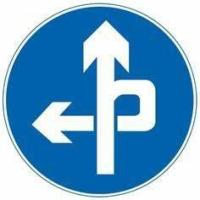
A. going straight and turning left at an interchange
B. going straight and turning right at an interchange
C. going straight and turning left
D. going straight and turning right
Answer:A
15. Using the low beam light in such circumstances.
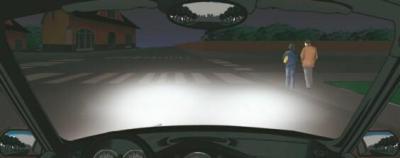
A. Right
B. Wrong
Answer:A
16. It lights to remind that engine needs to add oil.

A. Right
B. Wrong
Answer:B
17. When a traffic accident causing human injuries, preserve the scene and immediately report to the police.
A. Right
B. Wrong
Answer:A
18. It lights to indicate that ______

A. charge current is too large
B. damaged battery
C. ammeter malfunction
D. charging circuit malfunction
Answer:D
19. On which kind of city road a vehicle is not allowed to overtake?
A. main streets
B. one-way section
C. section with heavy traffic flow
D. two one-way lanes
Answer:C
20. Whats the meaning of this sign?
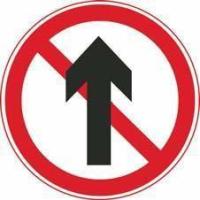
A. no right turn
B. no U turn
C. no going straight
D. no left turn
Answer:C
21. Before a vehicle enters a curve of a mountain road, the driver ______ if there is no vehicle coming in the opposite direction.
A. Should reduce speed, honk and drive on the right side
B. Should drive along the outer side of the curve
C. May briefly borrow the opposite lane
D. May speed up and pass along the tangent line of the curve
Answer:A
22. Whats the meaning of the white solid line in the middle of the road?
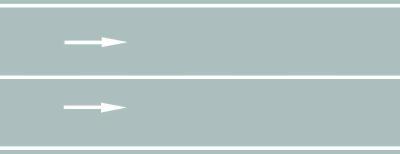
A. unilateral same direction lanes dividing line that can be crossed
B. same direction lanes dividing line that can not be crossed
C. bilateral same direction lanes dividing line that can be crossed
D. opposite direction lanes dividing line that can not be crossed
Answer:B
23. What marking is the combination of the white broken lines and the triangle area?
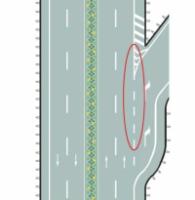
A. road entry marking
B. lane-dividing line that can be crossed
C. deceleration line at road exit
D. road exit marking
Answer:D
24. How to do in this intersection?
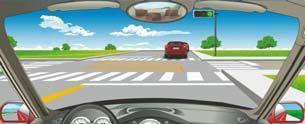
A. wait in the cross-hatched marking area
B. stop and wait outside the intersection
C. follow the vehicle in front and pass
D. wait inside the intersection
Answer:B
25. When driving at night, the drivers visibility range becomes shorter and his observation becomes poorer. At the same time, the driver can easily become tired because he has to highly concentrate his attention.
A. Right
B. Wrong
Answer:A


