
1. A motorized vehicle driver who deliberately covered or stained the license plate and placed the license plate unproperly, is subject to a ________.
A. 2-point penalty
B. 3-point penalty
C. 6-point penalty
D. 12-point penalty
Answer:D
2. A driver can park the vehicle by borrowing the sidewalk if he cannot find the parking area.
A. Right
B. Wrong
Answer:B
3. Whats the meaning of this sign?
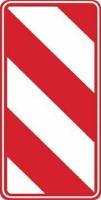
A. Passing on both sides
B. Passing by the right side
C. Passing by the left side
D. Passing is prohibited
Answer:B
4. When a vehicle running at night encounters a curve ahead, its lighting ____.
A. Leave the road surface
B. Moves from the center of the road to the roadside
C. Does not change its distance
D. Become lower
Answer:B
5. If a motorized vehicle driver drives on the road after getting drunk is subject to a prison term of more than 3 years.
A. Right
B. Wrong
Answer:B
6. Whats the meaning of the yellow broken and solid lines in the middle of the road?
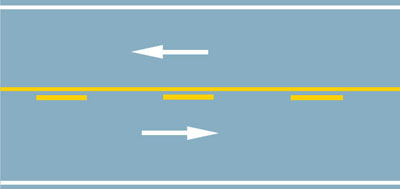
A. no crossing the lines on the side of the broken line
B. no crossing the lines on the side of the solid line
C. allowed to cross the lines on the side of the solid line
D. allowed to cross the lines on both sides
Answer:B
7. As thick fog reduces visibility, turning on the high beam light can increase the visibility.
A. Right
B. Wrong
Answer:B
8. When driving in windy, rainy, snowy, foggy and other complex weather conditions, the driver should turn on the head light, honk continuously and overtake rapidly if the vehicle in front goes slowly.
A. Right
B. Wrong
Answer:B
9. When a motorized vehicle stops temporarily at the roadside, the driver ________.
A. Is not allowed to stop in the opposite direction or in parallel
B. May stop anyway he likes as long as it is convenient for him to get out
C. May stop the vehicle in the opposite direction
D. May stop the vehicle in parallel
Answer:A
10. If the registration paper, license plate and vehicle license of a motorized vehicle are lost or destroyed, the vehicle owner should apply for reissuing or replacing them to the _______________.
A. traffic police detachment vehicle management station at the residential place
B. vehicle management station at the issuing place of the driving license
C. vehicle management station at the registration place
D. local police station
Answer:C
11. Whats the meaning of this mark on the road?
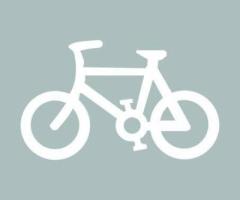
A. the lane for non-motorized vehicles
B. the special lane for motorcycles
C. the special lane for battery bicycles
D. the special lane for bicycles
Answer:A
12. When reaching an intersection, a left-turning vehicle may enter the left-turn waiting area anytime.
A. Right
B. Wrong
Answer:B
13. What marking is the white solid lines in the circle?
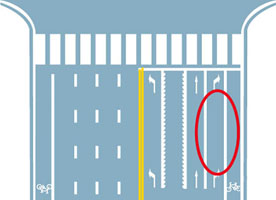
A. guide lanes lines
B. variable guide lanes lines
C. direction guide lines
D. one-way driving lines
Answer:A
14. Whats the meaning of this guide arrow?
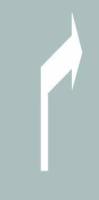
A. indicate changing to left lane
B. indicate changing to left lane
C. indicate making a U turn ahead
D. indicate turning right ahead
Answer:D
15. When the two red lights at a level crossing flash alternately, the vehicles should stop to wait.
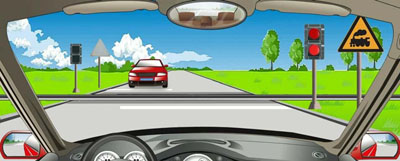
A. Right
B. Wrong
Answer:A
16. One who runs away after causing a traffic accident and constitute a crime can not apply for motorized vehicle driving license.
A. Right
B. Wrong
Answer:A
17. When a vehicle overtakes the bike riders going in the same direction, the rational way to deal with is to ________.
A. Continuously honk to remind them to yield
B. Continuously honk and speed up to overtake
C. Yield to the bike riders
D. Observe them, reduce speed and go slowly, while keeping a sufficient safe distance.
Answer:D
18. You can make an U turn at this intersection.
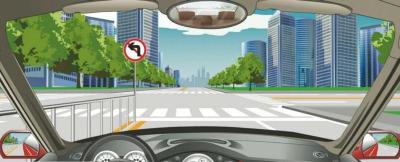
A. Right
B. Wrong
Answer:B
19. When encountering an overflowing bridge, the driver should look at the situation, and passes through slowly before he makes sure that it is safe to do so.
A. Right
B. Wrong
Answer:A
20. You should speed up to change lane in front of the red car.
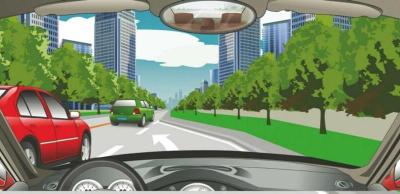
A. Right
B. Wrong
Answer:B
21. This sign reminds the lane for non-motorized vehicles ahead.
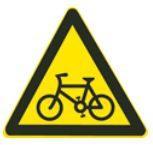
A. Right
B. Wrong
Answer:B
22. Whats the meaning of this sign?
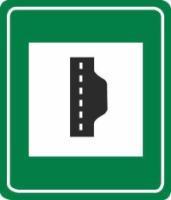
A. expressway emergency strip
B. expressway yielding area
C. expressway bus station
D. expressway parking area
Answer:A
23. It displays that the current temperature of the coolant is 90 degrees.
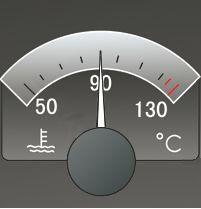
A. Right
B. Wrong
Answer:A
24. This sign indicates intersection ahead.
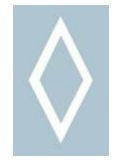
A. Right
B. Wrong
Answer:B
25. How to run through this intersection?
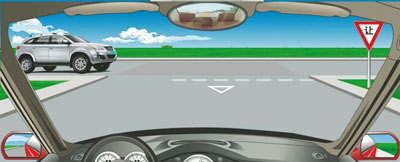
A. honk to let it yield
B. directly speed up to make a turn
C. reduce speed and turn slowly
D. yield the car coming from left
Answer:D


