
1. When a motorized vehicle breaks down at night, and is difficult to move, the driver should turn on the hazard lights, the contour lights and the tail lights.
A. Right
B. Wrong
Answer:A
2. What marking is it?

A. A cross-hatched marking
B. prohibitive area
C. guide line
D. central circle
Answer:D
3. This sign indicates jammed section ahead and passing slowly.

A. Right
B. Wrong
Answer:B
4. A driver should observe the dynamic situation of the rear side vehicles before driving into the traffic flow from other road.
A. Right
B. Wrong
Answer:A
5. Whats the meaning of the yellow marking on the road?

A. gradual road width
B. more carriageways
C. closing to obstacle
D. construction section indication
Answer:A
6. This sign indicates indoor car park here.
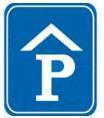
A. Right
B. Wrong
Answer:A
7. If a motorized vehicle driver allows his vehicle to be driven by a person whose driving license has been detained, the traffic police will serve an oral warning.
A. Right
B. Wrong
Answer:B
8. You should speed up through the section with this kind of traffic marking.

A. Right
B. Wrong
Answer:B
9. When a motorized vehicle breaks down on the expressway, the persons on board should swiftly move to the right side road shoulder or emergency lane, and report to the police rapidly.
A. Right
B. Wrong
Answer:A
10. Whats the meaning of this sign?

A. reduce speed and yield
B. variable lane
C. separated road
D. two-way traffic
Answer:D
11. When crossing each other at night, how far should change the high beam lights to low beam lights?
A. not need to change lights
B. beyond 150m
C. within 100m
D. within 50m
Answer:B
12. When a vehicle passes a school or a residential area, the driver should observe the signs and markings, go slowly and refrain from honking.
A. Right
B. Wrong
Answer:A
13. If a driver has not received full penalty points, and the fine has not been paid, the penalty points will be transferred into the next scoring cycle.
A. Right
B. Wrong
Answer:A
14. If a vehicle has the right of way at an intersection but encounters a vehicle cutting in, the driver should _________.
A. Rush to pass
B. Speed up in advance and pass
C. Reduce speed and evade, or stop to yield when necessary
D. Go forward at the normal speed according to the right of way and refuses to evade
Answer:C
15. This set of the hand signals of the traffic police indicates that the vehicles should ____ .

A. reduce speed and pass slowly
B. pull over
C. stop
D. turn right
Answer:D
16. When a vehicle coming in the opposite direction suddenly overtakes and occupies your lane, the correct way to deal with this situation is to __________.
A. Obstruct the way of that vehicle
B. Maintain the original speed
C. Reduce speed and avoid as much as possible, till stop
D. Speed up and go forward
Answer:C
17. This sign means a Y-shaped intersection ahead.

A. Right
B. Wrong
Answer:B
18. A motorized vehicle driver who drives after drinking is subject to a 12-point penalty.
A. Right
B. Wrong
Answer:A
19. When a traffic accident causing human injuries, preserve the scene and immediately report to the police.
A. Right
B. Wrong
Answer:A
20. Whats the meaning of this sign?

A. flat intersection
B. flat ring intersection
C. attention to interactive intersection
D. attention to separate intersection
Answer:D
21. When causing a road accident involving human casualties, the driver should immediately rescue the injured people and report to the traffic police as soon as possible.
A. Right
B. Wrong
Answer:A
22. The subject 3 test is divided into two parts including Driving Skills, Common Knowledge on Safe and Courteous Driving.
A. Right
B. Wrong
Answer:A
23. What is this manipulation device?
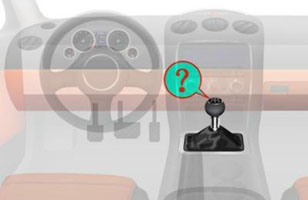
A. the handbrake
B. the air throttle lever
C. the gear lever
D. the clutch lever
Answer:C
24. A motorized vehicle driver who escapes after causing a traffic accident but his conduct does not constitute a crime, is subject to a ________.
A. 3-point penalty
B. 2-point penalty
C. 12-point penalty
D. 6-point penalty
Answer:C
25. Which part does this switch control?

A. windscreen defogger
B. windscreen wiper
C. the hazard lights
D. devices of lights and signals
Answer:B


