
1. How to run through this intersection?
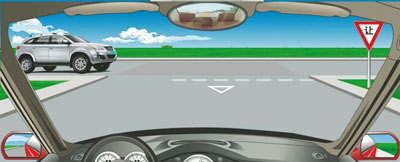
A. honk to let it yield
B. directly speed up to make a turn
C. reduce speed and turn slowly
D. yield the car coming from left
Answer:D
2. Whats the meaning of this sign?
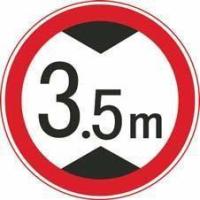
A. 3.5m width limit
B. 3.5m width limit ban is lifted
C. 3.5m distance from vehicles limit
D. 3.5m height limit
Answer:D
3. When a vehicle passes a level crossing, it is prohibited from overtaking.
A. Right
B. Wrong
Answer:A
4. No turning left in this situation.
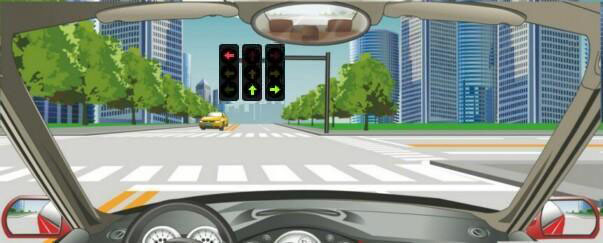
A. Right
B. Wrong
Answer:A
5. When reaching an intersection, a left-turning vehicle may enter the left-turn waiting area anytime.
A. Right
B. Wrong
Answer:B
6. A motorized vehicle is not allowed to stop in the section within
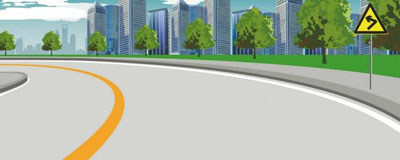
A. 5m
B. 10m
C. 50m
D. 30m
Answer:C
7. When a vehicle goes downhill on a mountain road, it is not allowed to overtake.
A. Right
B. Wrong
Answer:A
8. When a driver needs to borrow a lane to bypass an obstacle in front and a vehicle in the opposite direction is approaching the obstacle, the driver should ___________.
A. Reduce speed or stop and yield to the vehicle coming in the opposite direction
B. Speed up and bypass the obstacle in advance
C. Honk to indicate the vehicle in the opposite direction to yield
D. Rapidly occupy the lane and force the vehicle coming in the opposite direction to stop and yield
Answer:A
9. What kind of marking are the double yellow solid lines in the middle of the road?
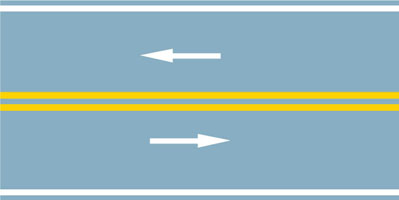
A. auxiliary marking
B. warning sign
C. prohibitive marking
D. indicative marking
Answer:C
10. When following a vehicle, the following vehicle may use the high beam light.
A. Right
B. Wrong
Answer:B
11. Whats the meaning of this sign?
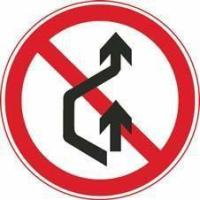
A. no borrowing lane
B. no changing lane
C. no overtaking
D. no U turn
Answer:C
12. A small bus driver should reduce speed rapidly when he suddenly feel bumpy on a flat expressway, to prevent tire blowout.
A. Right
B. Wrong
Answer:A
13. This sign reminds serious bump road ahead.
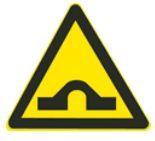
A. Right
B. Wrong
Answer:B
14. If a person who has caused a major traffic accident and if his act constitutes a crime, he should be held for _________.
A. criminal liability
B. civil liability
C. direct liability
D. economic liability
Answer:A
15. What marking is the white polylines in the circle?
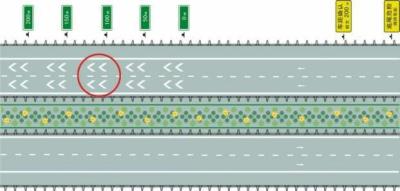
A. ascertaining the distance between the vehicles
B. driving at reduced speed
C. ascertaining the speed of the vehicles
D. reducing the speed at the intersection
Answer:A
16. Before entering a level crossing, the vehicle should reduce speed and change to a lower gear, and _____ after entering the level crossing.
A. Cannot change gear
B. Can change gear
C. Can change to a higher gear
D. Stop and look
Answer:A
17. This sign reminds an unmanned level crossing ahead.
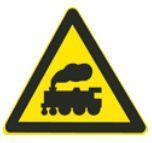
A. Right
B. Wrong
Answer:A
18. A motorized vehicle driver who has not yielded to the school bus according to stipulations is subject to a 6-point penalty.
A. Right
B. Wrong
Answer:A
19. What is this instrument?
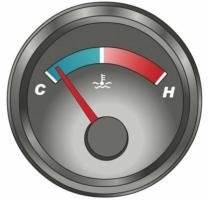
A. water temperature meter
B. fuel meter
C. ammeter
D. pressure meter
Answer:A
20. Whats the meaning of this sign?
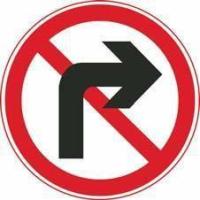
A. no entering the intersection
B. no right turn
C. no changing lane
D. no U turn
Answer:B
21. The starter works when turning the ignition switch to the ACC position.
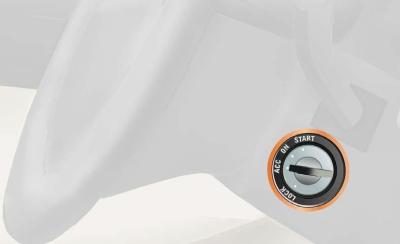
A. Right
B. Wrong
Answer:B
22. When a motorized vehicle passes through narrow road or bridge, the maximum speed should not exceed 30 kilometers per hour.
A. Right
B. Wrong
Answer:A
23. If a motorized vehicle driver allows his vehicle to be driven by a person whose driving license has been revoked, the traffic police will detain the driving license.
A. Right
B. Wrong
Answer:A
24. This sign warns two neighboring inverse curves ahead.
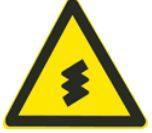
A. Right
B. Wrong
Answer:B
25. The validity of the driving license which is initially applied for is 6 years.
A. Right
B. Wrong
Answer:A


