
1. When a vehicle reaches a sharp curve, the driver should _______.
A. Brake suddenly and go slowly
B. Drive along the outer side of the curve
C. Fully reduce speed and drive on the right side
D. Go forward by borrowing the opposite lane
Answer:C
2. The validity of the Admission Form is _________
A. 1 year
B. 2 years
C. 3 years
D. 4 years
Answer:C
3. How to cross each other on a narrow mountain road without the central dividing line?
A. The vehicle not close to the mountain goes first
B. The vehicle close to the mountain goes first
C. The empty vehicle goes first
D. The slow-moving vehicle goes first
Answer:A
4. The passenger in the front seat does not need to buckle up when a motorized vehicle runs.
A. Right
B. Wrong
Answer:B
5. When a motorized vehicle breaks down on the expressway, the driver should place a warning sign 50 meters ~ 100 meters in the coming direction.
A. Right
B. Wrong
Answer:B
6. What device does the switch of this symbol control?

A. window glasses of both sides
B. electric door
C. door unlock
D. child safety lock
Answer:C
7. When a vehicle runs on an expressway, the driver may ascertain the speed according to his feeling.
A. Right
B. Wrong
Answer:B
8. What kind of lane that the red car running in?

A. fast lane
B. slow lane
C. emergency lane
D. special lane
Answer:A
9. A front tire blowout is very dangerous. The vehicle will immediately turn to the side where the tire is blown out and have a direct impact on the drivers control of the steering wheel.
A. Right
B. Wrong
Answer:A
10. This sign warns the driver there is a crosswalk ahead.

A. Right
B. Wrong
Answer:B
11. Whats the meaning of this sign?
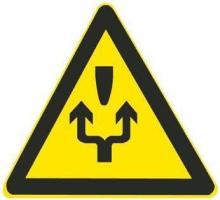
A. bypass at construction section
B. two-way traffic
C. bypass from left or right side
D. watch for danger
Answer:C
12. It lights to indicate that ______

A. not buckled up
B. safety belt malfunction
C. the safety belts are too loose
D. buckled up already
Answer:A
13. If a driver has driven a motorized vehicle for more than four hours running, he should stop the vehicle and rest for at least ____________.
A. 10 minutes
B. 15 minutes
C. 20 minutes
D. 5 minutes
Answer:C
14. May turn right in this situation.

A. Right
B. Wrong
Answer:B
15. When driving at night, the driver should try as much as possible to avoid overtaking. When he really needs to overtake, he may switch the high and low beam lights to alert the vehicle in front.
A. Right
B. Wrong
Answer:A
16. How to do while entering this intersection?

A. shift the high and low beam lights alternately to remind the cars already in the intersection to yield
B. quickly cut in the cars already in the intersection
C. let the cars already in the intersection go first
D. honk and enter directly
Answer:C
17. Which part does it control when pulling this switch?

A. turn signals
B. reverse light
C. contour light
D. hazard light
Answer:A
18. How to drive through the intersection without traffic lights?
A. reduce speed and go slowly
B. speed up and pass
C. let large vehicle go first
D. let the left vehicle go first
Answer:A
19. This set of the hand signals of the traffic police indicates that the vehicles should ____ .

A. wait to turn left
B. pull over
C. turn left
D. turn right
Answer:C
20. What is the max speed when down slope, turning around and U turn?
A. 50km/hr
B. 60km/hr
C. 30km/hr
D. 40km/hr
Answer:C
21. This sign indicates landslide section ahead and bypassing.

A. Right
B. Wrong
Answer:B
22. Whats the meaning of this sign?

A. streets on both sides
B. main road go first
C. stop to yield
D. one-way road
Answer:B
23. Whats the meaning of this sign?
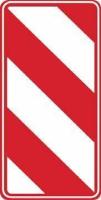
A. Passing on both sides
B. Passing by the right side
C. Passing by the left side
D. Passing is prohibited
Answer:B
24. Driving a motorized vehicle on the road in this condition, the maximum speed can not exceed 50 kilometers per hour.

A. Right
B. Wrong
Answer:B
25. The driver who drives after drunk is subject to ______
A. a criminal restriction and a fine
B. a prison term of more than 2 years
C. a criminal detention and a fine
D. a prison term of less than 2 years
Answer:C


