
1. How to pass through the unmanned level crossing without traffic lights?
A. properly reduce speed to pass
B. slide over in the neutral gear
C. stop to make sure it is safe, then pass
D. speed up and pass as fast as possible
Answer:C
2. What does this sign mean?
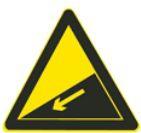
A. Reminding the side of a reservoir, lake or river ahead
B. Reminding the steep uphill road ahead
C. Reminding the steep downhill road ahead
D. Reminding continuous two or more up slopes ahead
Answer:C
3. Whats the meaning of this guide arrow?
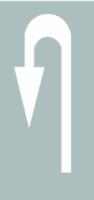
A. change to left lane
B. going straight ahead
C. U turn ahead
D. right turn ahead
Answer:C
4. Which is correct when learning driving on road?
A. drive the corresponding coach car with coach sitting by to guide
B. drive the corresponding coach car alone
C. drive the corresponding coach car with other one who is not a coach sitting by to guide
D. drive the private car with coach sitting by to guide
Answer:A
5. Whats the meaning of this sign?
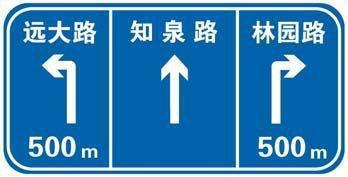
A. lane direction indication
B. intersection ahead
C. lane information indication
D. road branching point ahead
Answer:B
6. Do not start up a vehicle when the door or compartment is not properly closed.
A. Right
B. Wrong
Answer:A
7. Besides the administrative punishment, what kind of system implemented by the traffic control department of the public security organ to the driver who violated the traffic regulations?
A. violation registration system
B. mileage reward system
C. mandatory write-off system
D. accumulated penalty points system
Answer:D
8. As the road is wet and slippery after rain, brake application when driving can easily ___.
A. Cause sideways slide and traffic accident
B. Cause collision due to poor visibility
C. Be ignored by the drivers of other vehicles
D. Cause engine kill
Answer:A
9. It lights to indicate enabling the floor and the front windscreen fan.

A. Right
B. Wrong
Answer:A
10. Whats the meaning of this sign?
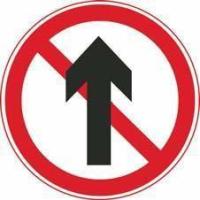
A. no right turn
B. no U turn
C. no going straight
D. no left turn
Answer:C
11. What does the traffic light mean?
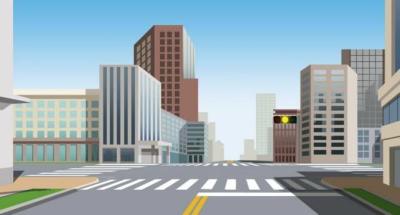
A. speed up and turn left
B. no right turn
C. intersection warning
D. speed and run straight
Answer:C
12. After starting the engine, it lights to indicate that ______

A. fuel pump abnormal or malfunction
B. ignition system malfunction
C. fuel supply system is abnormal
D. fuel in tank reaches the minimum level
Answer:D
13. Which behavior a person had in 3 years is not allowed to apply for a motorized vehicle driving license?
A. insulin injections
B. drunken experience
C. smoking addiction
D. drug injections
Answer:D
14. Whats the meaning of this sign?

A. customs inspection
B. stop-for-inspection
C. frontier inspection
D. no passing
Answer:B
15. Which of the following vehicle in front in the same lane is not allowed to be overtaken?
A. the vehicle is reducing speed to yield
B. the vehicle is running normally
C. the vehicle is overtaking
D. the vehicle is making a stop
Answer:C
16. These signs warn the driver danger ahead and passing with care.
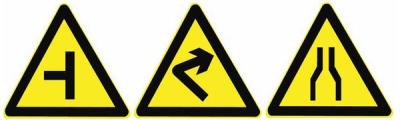
A. Right
B. Wrong
Answer:A
17. A vehicle may stop on the ramp of an expressway.
A. Right
B. Wrong
Answer:B
18. Speeding up to go though the intersection before the light turns to red in this case.
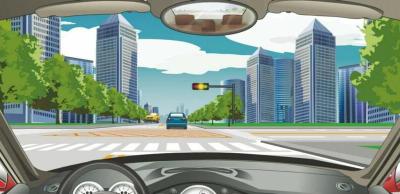
A. Right
B. Wrong
Answer:B
19. The continuously flashing yellow light is to warn that the driver should look and make sure it is safe to pass.
A. Right
B. Wrong
Answer:A
20. The main impact of the road conditions at night on safe driving is ________.
A. The visibility is low and unfavorable for observing road traffic conditions
B. The road surface is complex and changing
C. The physical strength of the driver decreases
D. The driver can easily have impulse and illusion
Answer:A
21. When driving at night, the driver should reduce speed and go forward if the vehicle coming in the opposite direction fails to turn off the high beam light. This is designed to prevent an accident from happening when there are pedestrians crossing the place where the lights of the two vehicles meet.
A. Right
B. Wrong
Answer:A
22. This sign warns the driver there is school area ahead.
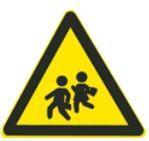
A. Right
B. Wrong
Answer:B
23. What is the max speed when passing this curve?
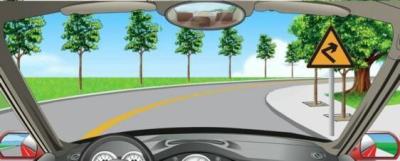
A. 40km/hr
B. 30km/hr
C. 50km/hr
D. 70km/hr
Answer:B
24. When the vehicle has changed its direction due to a front tire blowout on the road, the driver should firmly hold the steering wheel with both hands to ensure the vehicle goes straight.
A. Right
B. Wrong
Answer:A
25. No running into the middle lane when encountering this situation.
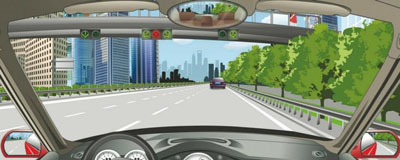
A. Right
B. Wrong
Answer:A


