
1. When a motorized vehicle passes through narrow road or bridge, the maximum speed should not exceed 30 kilometers per hour.
A. Right
B. Wrong
Answer:A
2. It lights to indicate that ______

A. ABS system malfunction
B. handbrake is released
C. braking system malfunction
D. safety bags malfunction
Answer:A
3. How to turn left at this intersection?
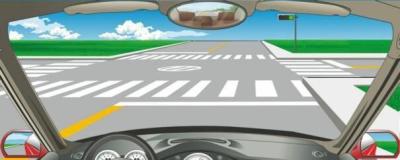
A. along the right side of the center point in the intersection
B. along the left side of the center point in the intersection
C. cover the center point in the intersection
D. can not turn left
Answer:B
4. Whats the meaning of this sign?

A. Y-shaped intersection
B. main road yield
C. attention to branching
D. attention to merging
Answer:D
5. This sign indicates one-way section ahead.
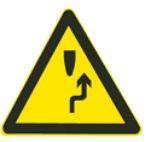
A. Right
B. Wrong
Answer:B
6. When driving at night, the drivers observation ability is visibly poorer and his visibility range becomes shorter than driving in the daytime.
A. Right
B. Wrong
Answer:A
7. When a vehicle has increased its speed to more than 60 kilometers per hour on the ramp of an expressway, it may directly enter the carriageway.
A. Right
B. Wrong
Answer:B
8. Whats the meaning of this mark on the road?
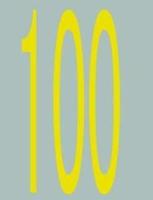
A. average speed is 100km/hr
B. minimum speed limit is 100km/hr
C. 100km/hr speed limit ban is lifted
D. maximum speed limit is 100km/hr
Answer:D
9. To hold the steering wheel like this is correct.
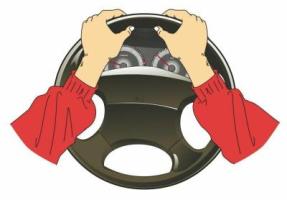
A. Right
B. Wrong
Answer:B
10. Using the low beam light in such circumstances.
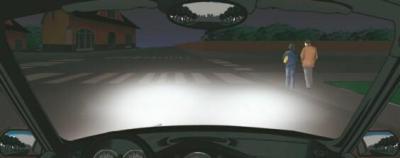
A. Right
B. Wrong
Answer:A
11. Whats the meaning of the diamond broken lines on the road?
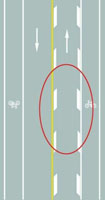
A. road construction marking
B. vertical deceleration marking
C. horizontal deceleration marking
D. fewer lanes indication marking
Answer:B
12. What kind of device the safety bags are?
A. ABS system
B. electronic brake force distribution system
C. assisted occupants protection system
D. drivers head and neck protection system
Answer:C
13. Whats the meaning of this guide arrow?

A. changing to left lane
B. going straight ahead
C. left turn ahead
D. right turn ahead
Answer:C
14. How to pass when encountering this situation at the intersection?
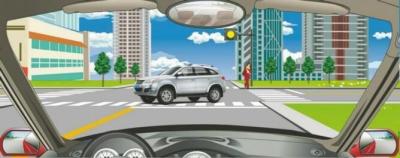
A. make sure it is safe to pass
B. turn right and speed up to pass
C. speed up and pass straight
D. turn left and speed up to pass
Answer:A
15. The driving license of 10-year validity will be issued if the penalty points never reached 12 points in every scoring cycle during the 6-year validity of the license.
A. Right
B. Wrong
Answer:A
16. Whats the meaning of this sign?

A. reduce speed in tunnel
B. turn on the high beam lights in tunnel
C. turn on the light in tunnel
D. width light in tunnel
Answer:C
17. What device does the switch of this symbol control?
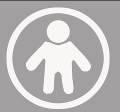
A. child safety lock
B. window glasses of both sides
C. electric door
D. door unlock
Answer:A
18. Whats the meaning of the yellow slash filled area in the middle of the road?
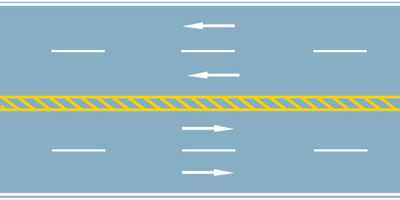
A. one-way lanes dividing line
B. opposite direction lanes dividing line that can not be crossed
C. bilateral same direction lanes dividing line that can be crossed
D. opposite direction lanes dividing line that can be crossed
Answer:B
19. The driver who chases and races while driving on the road, and commits serious acts is subject to ______
A. a prison term of 6 months
B. a prison term of more than 1 year
C. a criminal restriction and a fine
D. a criminal detention and a fine
Answer:D
20. One shall not drive a motorized vehicle during the period of deferred license checking due to military service, abroad and other reasons.
A. Right
B. Wrong
Answer:A
21. The driving license will be revoked when the person is executed community drug treatment, forced isolation treatment or community-based rehabilitation measures.
A. Right
B. Wrong
Answer:A
22. When starting up a vehicle stopping at the roadside, the driver should first ________.
A. Depress the accelerator pedal and start
B. Honk
C. Increase engine rotation speed
D. Observe the conditions around the vehicles
Answer:D
23. Whats the meaning of this sign?
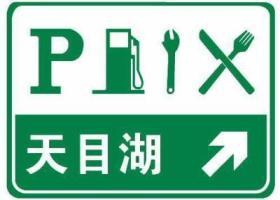
A. expressway bus station ahead
B. expressway shelter ahead
C. expressway service area ahead
D. expressway toll station ahead
Answer:C
24. It lights when turning on the front fog light.

A. Right
B. Wrong
Answer:B
25. Which part does this switch control?
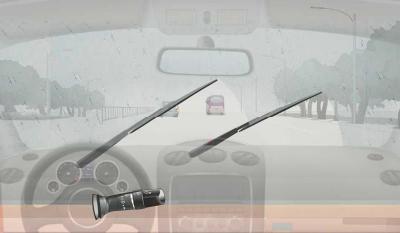
A. windscreen defogger
B. windscreen wiper
C. the hazard lights
D. devices of lights and signals
Answer:B


