
1. Whats the meaning of this sign?

A. lanes for going in different directions
B. lane for both U turn and left turn
C. the lane of no left turn and no U turn
D. lane for both going straight and left turn
Answer:B
2. Whats the meaning of this sign?

A. no left turn
B. leftt and right turn
C. no leftt and right turn
D. no right turn
Answer:B
3. Whats the meaning of this sign?

A. line guide signs
B. lane merging guide signs
C. lane branching guide signs
D. turning guide signs
Answer:A
4. When driving at night, the driver should go at a lower speed because his field of vision is limited and he can hardly observe the traffic conditions beyond the area covered by his vehicle light.
A. Right
B. Wrong
Answer:A
5. Whats the meaning of this sign?
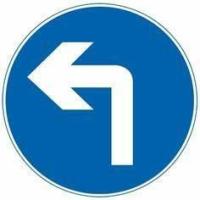
A. turn left
B. no going straight
C. straight-going lane
D. one-way road
Answer:A
6. How to do in this situation?

A. stop and yield to the pedestrians
B. bypass from the front of the pedestrians
C. honk to remind the pedestrians
D. bypass from the rear of the pedestrians
Answer:A
7. Whats the meaning of this sign?
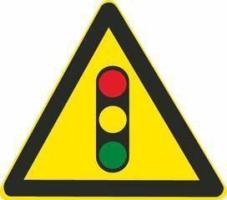
A. crosswalk lights
B. watch for pedestrians
C. attention to traffic lights
D. intersection
Answer:C
8. Whats the meaning of this sign?

A. rescue call number on expressway
B. service call number on expressway
C. police call number on expressway
D. traffic radio frequency on expressway
Answer:D
9. The method of this small passenger vehicle to leave the expressway lane is correct.

A. Right
B. Wrong
Answer:A
10. What is the max speed on the expressway when the visibility is lower than 200m?
A. less than 100km/hr
B. less than 90km/hr
C. less than 60km/hr
D. less than 80km/hr
Answer:C
11. What is this instrument?

A. water temperature meter
B. fuel meter
C. ammeter
D. pressure meter
Answer:A
12. When bicycles ahead obstruct the traffic flow, the driver may honk to remind them,speed up and bypass.
A. Right
B. Wrong
Answer:B
13. It is illegal for a driver to use a cell phone while driving.
A. Right
B. Wrong
Answer:A
14. In the course of reversing, the driver should move slowly, observe the conditions on both sides and in the rear and be ready to stop anytime.
A. Right
B. Wrong
Answer:A
15. When a vehicle wades across the water, the driver should maintain a low speed, and _____ the brake pedal so as to restore the braking efficiency.
A. Continuously and strongly depress
B. Intermittently and strongly depress
C. Continuously and gently depress
D. Intermittently and gently depress
Answer:D
16. Whats the meaning of the yellow mark on the road?
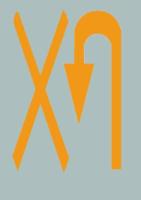
A. no going straight
B. allowed to make a U turn
C. no U turn
D. no making a turn
Answer:C
17. Whats the meaning of this sign?

A. flat intersection
B. flat ring intersection
C. attention to interactive intersection
D. attention to separate intersection
Answer:D
18. Using the high and low beam lights alternately while driving on the road of this kind of sharp curve.

A. Right
B. Wrong
Answer:A
19. When following a vehicle, the following vehicle may use the high beam light.
A. Right
B. Wrong
Answer:B
20. You can drive a motorized vehicle a short distance after drinking as long as it does not interfere the driving operation.
A. Right
B. Wrong
Answer:B
21. This sign means a Y-shaped intersection ahead.

A. Right
B. Wrong
Answer:B
22. This sign means the opposite vehicle should stop to yield when crossing each other.

A. Right
B. Wrong
Answer:B
23. What is the max speed on muddy road?
A. 15km/hr
B. 20km/hr
C. 40km/hr
D. 30km/hr
Answer:D
24. If an improper place is chosen for crossing another vehicle, the driver should immediately _______.
A. Reduce speed and cross each other slowly, or stop to yield
B. Occupy the left lane to force the opposite party to reduce speed and yield
C. Turn the head light to indicate the opposite party to stop and yield
D. Speed up and select a better place
Answer:A
25. What causes the rear-end collision?

A. not observe through the rear-view mirror while the vehicle in front brakes
B. the vehicle in front brakes suddenly
C. distance from the vehicle in front is too close when the rear vehicle overtakes
D. not maintain a safe distance from the vehicle in front
Answer:D


