
1. A driver should stop on the expressway at once to have a rest when he feel tired.
A. Right
B. Wrong
Answer:B
2. Which is correct in this kind of intersection?
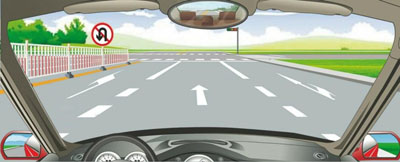
A. make a U turn along the left lane
B. cannot make a U turn
C. make a U turn through the middle lane
D. make a U turn inside the intersection
Answer:B
3. The vehicle is allowed to _______ at this intersection.
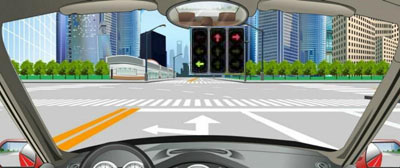
A. go straight or turn right
B. turn right
C. turn left
D. go straight
Answer:C
4. Whats the meaning of this sign?
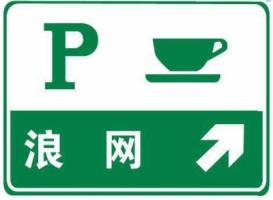
A. expressway parking area ahead
B. expressway shelter ahead
C. expressway car park ahead
D. expressway service area ahead
Answer:A
5. A motorized vehicle is not allowed to make a U turn at the level crossing, bridge, steep slope, tunnel or dangerous road section.
A. Right
B. Wrong
Answer:A
6. How to run through this intersection?
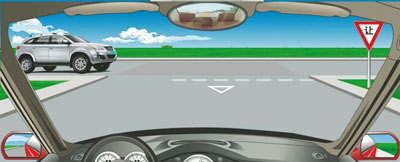
A. honk to let it yield
B. directly speed up to make a turn
C. reduce speed and turn slowly
D. yield the car coming from left
Answer:D
7. Whats the meaning of the white rectangle marking?
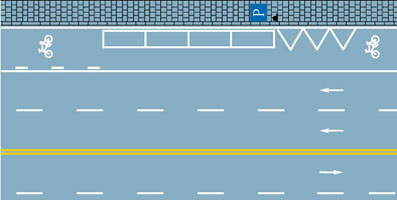
A. special space for taxicabs to take and drop passengers
B. horizontal parking space
C. inclined parking space
D. vertical parking space
Answer:B
8. How to pass this intersection?
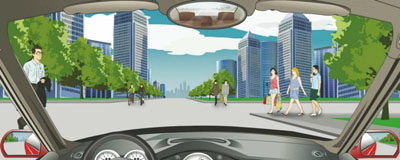
A. keep the speed and go through
B. honk to urge
C. reduce speed and go through slowly
D. speed up and go through
Answer:C
9. How to use lights when changing to the left lane on road?
A. turn on the right-turn signal in advance
B. not need to turn on any turn signal
C. turn on the left-turn signal in advance
D. turn on the low beam lights in advance
Answer:C
10. The vehicle can not run straight or turn left in this situation.
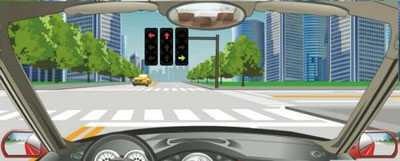
A. Right
B. Wrong
Answer:A
11. Continuously using the foot brake on a long downhill road ________.
A. Can shorten the engines service life
B. Increases the drivers labor intensity
C. Can drastically reduce the braking efficiency due to the rising temperature of the brake
D. Can easily cause vehicle overturn
Answer:C
12. Which is correct if a vehicle breaks down and is difficult to move?
A. turn on the hazard lights
B. turn on all the lights of the vehicle
C. forbid the passengers to get off
D. place a warning sign in front of the vehicle
Answer:A
13. What is the role of ABS system when applying emergency braking?
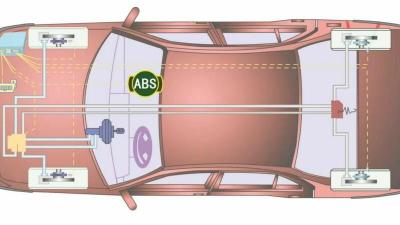
A. cut off the power output
B. control the direction automatically
C. reduce braking inertia
D. prevent wheel blocking
Answer:D
14. What is the max speed when visibility is less than 50m due to foggy, rainy or snowy?
A. 70km/hr
B. 50km/hr
C. 40km/hr
D. 30km/hr
Answer:D
15. Whats the meaning of this guide arrow?

A. indicate going straight or turning right
B. indicate turning right or making a U turn
C. indicate going straight or changing to right lane
D. indicate going straight or making a U turn
Answer:A
16. When a vehicle passes a bumped road, the driver should ________.
A. Speed up and dash over under inertia
B. Change to the neutral gear and slide over
C. Maintain the original speed and pass
D. Pass slowly and steadily
Answer:D
17. One shall not drive a motorized vehicle during the period of deferred license checking due to military service, abroad and other reasons.
A. Right
B. Wrong
Answer:A
18. It lights while driving to indicate that ______

A. engine temperature is too high
B. engine cooling system malfunction
C. engine lubrication system malfunction
D. engine temperature is too low
Answer:A
19. It lights to indicate that ______

A. air internal circulation
B. air external circulation
C. the front fan works
D. windscreen defroster
Answer:B
20. The front safety bags play a fully protective role when used in conjunction with ______
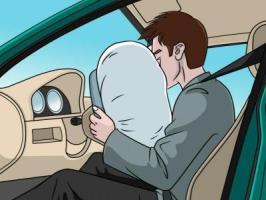
A. ABS system
B. seat belt
C. safety pillow of the chair
D. safety glasses
Answer:B
21. Honking in a foggy day can arouse the attention of the opposite side. After hearing the honking from the opposite side, the driver should also honk to respond.
A. Right
B. Wrong
Answer:A
22. Whats the meaning of this sign?
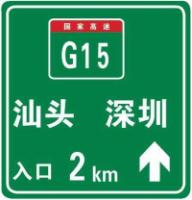
A. expressway entry ahead
B. expressway ending ahead
C. expressway beginning ahead
D. expressway exit ahead
Answer:A
23. What is the meaning of this sign?
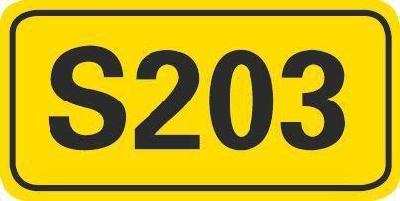
A. provincial highway No.
B. national highway No.
C. county road No.
D. township road No.
Answer:A
24. When a vehicle passes a level crossing, it is prohibited from overtaking.
A. Right
B. Wrong
Answer:A
25. You can overtake from both sides in this case.
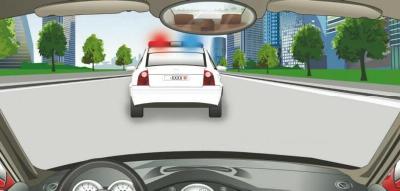
A. Right
B. Wrong
Answer:B


