
1. What is the Minimum speed on this expressway?
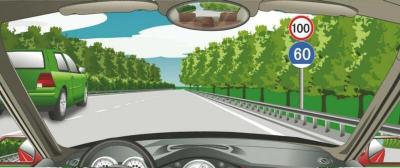
A. 100km/hr
B. 80km/hr
C. 60km/hr
D. 50km/hr
Answer:C
2. It lights to remind that engine coolant may be insufficient.

A. Right
B. Wrong
Answer:A
3. When entering an expressway toll gate, the driver should select a gate where _______.
A. There are more vehicles
B. The red light is on
C. The green light is on
D. Service is temporarily suspended
Answer:C
4. Whats the meaning of this sign?
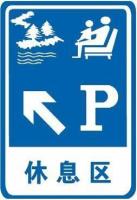
A. rest area
B. service area
C. car park
D. observation deck
Answer:A
5. This sign warns a sharp left curve ahead.
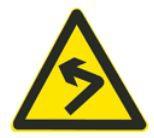
A. Right
B. Wrong
Answer:A
6. For a driver who drives a commercial motor vehicle after drinking, besides revoking his/her driving license, how long will he/she be banned from re-obtaining a motor vehicle driving license?
A. 1 year
B. 2 year
C. 5 year
D. 10 year
Answer:C
7. A motorized vehicle that will turn right at an intersection but has a vehicle in front in the same lane waiting for the green light should ______________.
A. Stop and wait for his turn
B. Honk to indicate the vehicle in front to yield
C. Bypass the vehicle in front from the right side and go through the intersection
D. Bypass the vehicle in front from the left side and go through the intersection
Answer:A
8. When a vehicle coming in the opposite direction suddenly overtakes and occupies your lane, the correct way to deal with this situation is to __________.
A. Obstruct the way of that vehicle
B. Maintain the original speed
C. Reduce speed and avoid as much as possible, till stop
D. Speed up and go forward
Answer:C
9. What should the driver do if conditions permit when a following vehicle gives the overtaking signal on a road without a central line?
A. maintain the original speed
B. speed up
C. reduce speed, move to the right side and yield
D. immediately stop and yield
Answer:C
10. What is the max speed when in or out of the lane for non-motorized vehicles?
A. 40km/hr
B. 50km/hr
C. 60km/hr
D. 30km/hr
Answer:D
11. Whats the meaning of this sign?
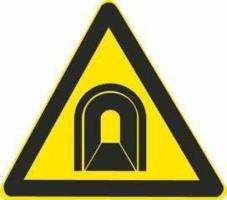
A. water channel
B. bridge
C. tunnel
D. Culvert
Answer:C
12. Besides the administrative punishment, what kind of system implemented by the traffic control department of the public security organ to the driver who violated the traffic regulations?
A. violation registration system
B. mileage reward system
C. mandatory write-off system
D. accumulated penalty points system
Answer:D
13. When driving in a rainy day, the driver should _____ when a pedestrian holding umbrella or in raincoat is walking on the highway.
A. Continuously honk to indicate him to yield
B. Speed up and bypass
C. Honk in advance and properly reduce speed
D. Drive at the normal speed
Answer:C
14. Whats the meaning of this sign?
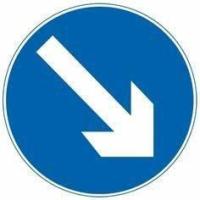
A. downhill section on right side
B. driving by the right side of the road
C. stopping by the right side of the road
D. right turn only
Answer:B
15. Whats the meaning of this guide arrow?
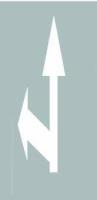
A. going straight or U turn
B. going straight or left turn
C. going straight or changing to left lane
D. left turn or U turn
Answer:B
16. What is the max speed on this expressway?
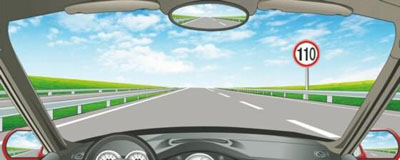
A. 110km/hr
B. 120km/hr
C. 90km/hr
D. 100km/hr
Answer:A
17. At this position, you may speed up to pass through the section.
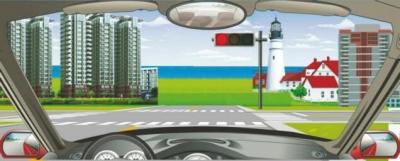
A. Right
B. Wrong
Answer:B
18. Whats the meaning of this sign?
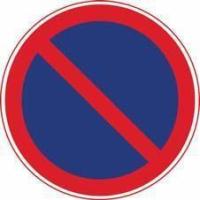
A. no stopping temporarily
B. no long stopping
C. no stopping
D. long stopping is allowed
Answer:B
19. Whats the meaning of this sign?
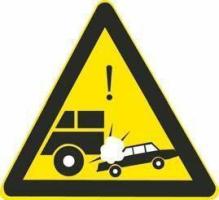
A. accident-prone section
B. construction section
C. reducing speed and going slowly section
D. jammed section
Answer:A
20. Do not hang or place articles close to the front and rear windows that block the vision of the driver.
A. Right
B. Wrong
Answer:A
21. Whats the meaning of this sign?

A. running by right side
B. no going straight
C. straight one-way road
D. yield if going to go straight
Answer:C
22. Honking in a foggy day can arouse the attention of the opposite side. After hearing the honking from the opposite side, the driver should also honk to respond.
A. Right
B. Wrong
Answer:A
23. It lights continuously to indicate that ______

A. safety bags work
B. not buckled up
C. ABS system malfunction
D. safety bags malfunction
Answer:D
24. When driving on a mountain road covered by ice and snow, the vehicle behind should ______ if the vehicle in front is climbing a slope.
A. Climb slowly
B. Closely follow and climb
C. Select a proper place to stop and climb after the vehicle in front has passed
D. Rapidly overtake the vehicle in front
Answer:C
25. Whats the meaning of this sign?
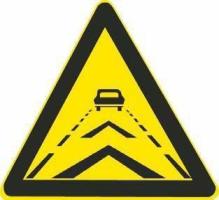
A. section narrows on both sides
B. section for speed test
C. section for ascertaining the distance between the vehicles
D. pay attentions to keeping distance
Answer:D


