
1. Whats the meaning of this sign?
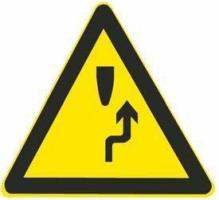
A. bypass from right side
B. one-way passing
C. watch for danger
D. bypass from left side
Answer:A
2. Whats the meaning of this sign?
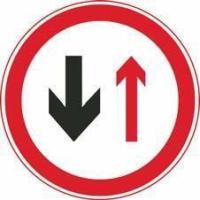
A. stop and yield the right side vehicle while crossing each other
B. no passing on the right side road
C. two-way lane section ahead
D. stop and yield the opposite vehicle while crossing each other
Answer:D
3. Traffic Police can detain the accident vehicle according to law if it needs to be collected evidence of the road accident.
A. Right
B. Wrong
Answer:A
4. If one drives an illegally assembled motorized vehicle, he should not only pay the fine, but also ________ .
A. be temporarily detained the driving license
B. be revoked the driving license
C. be held for criminal liabilities
D. be detained for less than 10 days
Answer:B
5. This sign reminds serious bump road ahead.
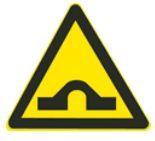
A. Right
B. Wrong
Answer:B
6. The age limit of applying for small vehicle is ________ .
A. 18~60 years old
B. 18~70 years old
C. 24~70 years old
D. 21~50 years old
Answer:B
7. It lights to indicate that the handbrake may not loose in the end.

A. Right
B. Wrong
Answer:B
8. Speed up when passing the overflowing road.
A. Right
B. Wrong
Answer:B
9. Whats the meaning of this sign?
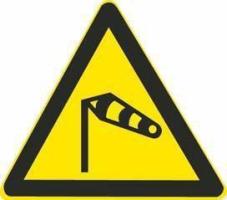
A. tunnel entry
B. observatory
C. mind side wind
D. wind vane
Answer:C
10. It lights when turning on the left-turn signal.
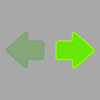
A. Right
B. Wrong
Answer:B
11. Which is correct to use lights on rainy day when following a vehicle?
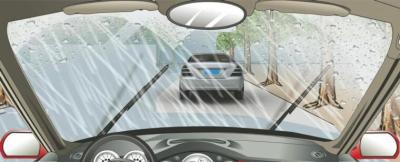
A. use high beam lights
B. cannot use the low beam lights
C. cannot use the high beam light
D. use fog lights
Answer:C
12. Whats the role of the prohibitive sign?
A. indicate the vehicles to go ahead
B. warn danger ahead
C. prohibit or restrict from doing
D. tell the direction information
Answer:C
13. What kind of violation does this vehicle on road have?
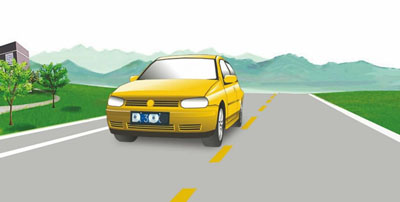
A. not hang the license plate as required
B. deliberately cover the license plate
C. occupy the lane for non-motorized vehicles
D. run in the opposite direction
Answer:B
14. How to do in this intersection?
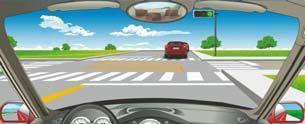
A. wait in the cross-hatched marking area
B. stop and wait outside the intersection
C. follow the vehicle in front and pass
D. wait inside the intersection
Answer:B
15. Whats the meaning of this sign?
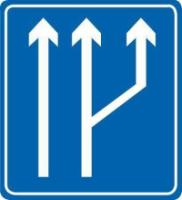
A. change to right lane
B. branching point
C. road surface becomes wider
D. the number of lanes increases
Answer:D
16. What marking is the white broken line on the road?
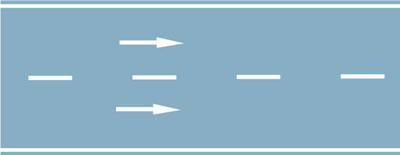
A. central line of opposite lanes which is prohibited from crossing
B. central line of opposite lanes which is restricted from crossing
C. central dividing line of the one-way road lanes
D. central line of same direction lanes which is allowed to cross
Answer:D
17. What marking is the combination of the white broken lines and the triangle area?
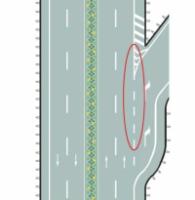
A. road entry marking
B. lane-dividing line that can be crossed
C. deceleration line at road exit
D. road exit marking
Answer:D
18. In this case, by the right side of the bus lane to overtake.
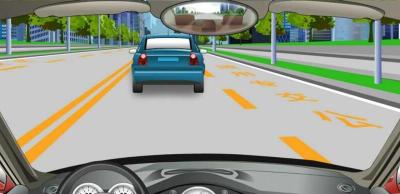
A. Right
B. Wrong
Answer:B
19. The traffic lights allow the vehicle to ______
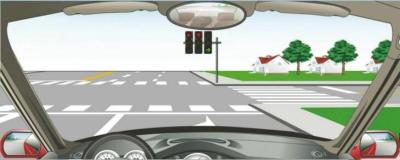
A. turn right
B. stop and wait
C. turn left
D. go straight
Answer:A
20. Using the high and low beam lights alternately while driving on the road of this kind of sharp curve.
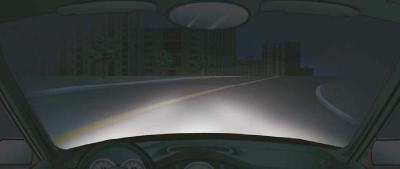
A. Right
B. Wrong
Answer:A
21. How to choose parking spot when needing to stop by the roadside?
A. stop in the opposite direction by the left roadside
B. stop in the parking area
C. stop anywhere as will by the roadside
D. stop in the sidewalk
Answer:B
22. When discovering traffic congestion ahead while driving, the driver should ________.
A. Find a chance to overtake the vehicle in front
B. Weave through other vehicles
C. Reduce speed, stop and wait in line
D. Honk to urge other vehicles
Answer:C
23. The behavior of a motorized vehicle driver who has violated the law and regulations on road traffic safety is _______ .
A. faulty act
B. violation of regulations
C. rule-breaking act
D. violation of law
Answer:D
24. The yellow lane-dividing line in the picture is used to separate the traffic flow in opposite directions, crossing the line to overtake or make a turn is allowed if it is safe.
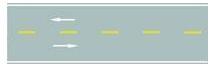
A. Right
B. Wrong
Answer:A
25. What pedal is it?
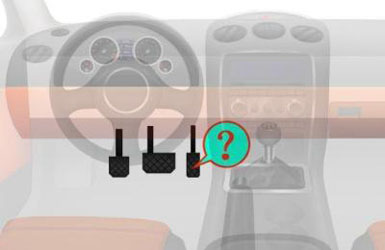
A. accelerator pedal
B. clutch pedal
C. handbrake
D. the brake pedal
Answer:A


