
1. When driving at night, the driver should try as much as possible to avoid overtaking. When he really needs to overtake, he may switch the high and low beam lights to alert the vehicle in front.
A. Right
B. Wrong
Answer:A
2. After a tire blows out and before the driver can control the speed of the vehicle, he should refrain from using the foot brake to stop the vehicle. Otherwise, a horizontal swing of the vehicle can cause greater danger.
A. Right
B. Wrong
Answer:A
3. The driver who chases and races while driving on the road, and commits serious acts is subject to ______
A. a prison term of 6 months
B. a prison term of more than 1 year
C. a criminal restriction and a fine
D. a criminal detention and a fine
Answer:D
4. This sign reminds the lane for non-motorized vehicles ahead.
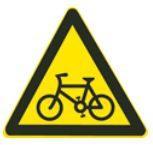
A. Right
B. Wrong
Answer:B
5. What is the max speed on this highway?
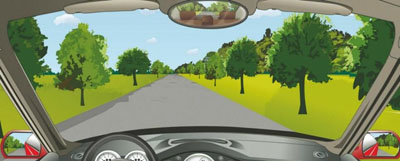
A. 70km/hr
B. 50km/hr
C. 40km/hr
D. 30km/hr
Answer:C
6. Whats the meaning of this sign?
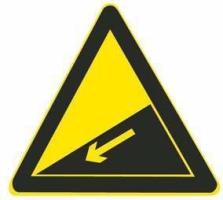
A. embankment road
B. steep uphill road
C. continuous up slopes
D. steep downhill road
Answer:D
7. Whats the meaning of this sign?
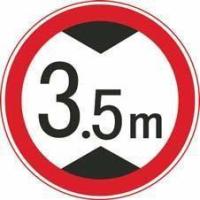
A. 3.5m width limit
B. 3.5m width limit ban is lifted
C. 3.5m distance from vehicles limit
D. 3.5m height limit
Answer:D
8. When a vehicle changes to the right lane, the driver should turn on the right-turn signal in advance, observe and enter the new lane if it is safe to do so.
A. Right
B. Wrong
Answer:A
9. If a motorized vehicle runs 50% faster than the specified speed limit, the driver is subject to a 3-point penalty.
A. Right
B. Wrong
Answer:B
10. This set of the hand signals of the traffic police indicates that the vehicles should ____ .
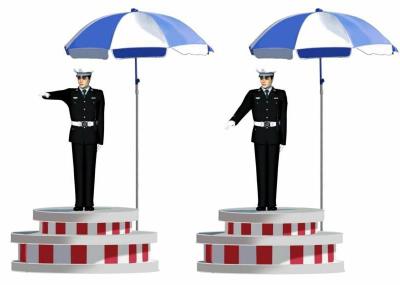
A. turn right
B. change lane
C. reduce speed and pass slowly
D. pull over
Answer:C
11. A motorized vehicle driver who deliberately covered or stained the license plate and placed the license plate unproperly, is subject to a ________.
A. 2-point penalty
B. 3-point penalty
C. 6-point penalty
D. 12-point penalty
Answer:D
12. When driving a motor vehicle after drinking, a prison term of more than 3 years will be imposed.
A. Right
B. Wrong
Answer:B
13. What to do besides controlling speed less than 20km/hr when the visibility is lower than 50 meters on the expressway?
A. run in the emergency lane
B. leave the expressway as soon as possible
C. stop by the roadside as soon as possible
D. run slowly in the road shoulder
Answer:B
14. Which of the following vehicle in front in the same lane is not allowed to be overtaken?
A. police car on duty
B. large bus or large truck
C. taxis
D. public bus
Answer:A
15. Which kind of sign is it?
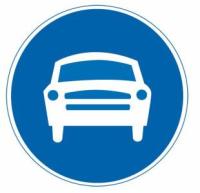
A. warning sign
B. prohibitive sign
C. indicative sign
D. directional sign
Answer:C
16. The validity of the driving license which is initially applied for is ______
A. 3 years
B. 5 years
C. 6 years
D. 12 years
Answer:C
17. This motorized vehicle parked on the roadside has no illegal act.
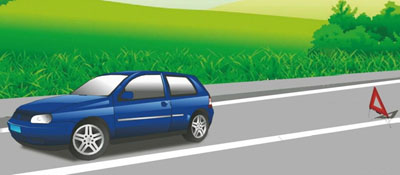
A. Right
B. Wrong
Answer:B
18. What marking is the white polylines in the circle?
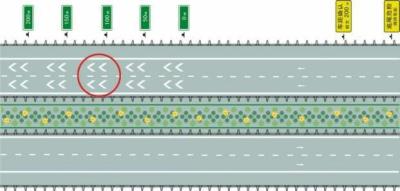
A. ascertaining the distance between the vehicles
B. driving at reduced speed
C. ascertaining the speed of the vehicles
D. reducing the speed at the intersection
Answer:A
19. If the driver finds there is no vehicle following, he can change lanes without turning on the turn signal.
A. Right
B. Wrong
Answer:B
20. When a vehicle passes a level crossing, the driver should use the low gear to pass and should not change gear halfway in order to avoid engine kill.
A. Right
B. Wrong
Answer:A
21. This sign reminds the width of the bridge narrows ahead.
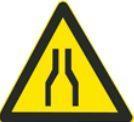
A. Right
B. Wrong
Answer:B
22. Pull down the switch of the turn signal, right-turn signal is on.
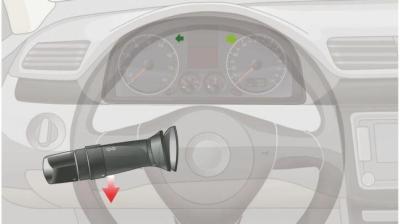
A. Right
B. Wrong
Answer:B
23. When encountering a vehicle coming in the opposite direction on a mountain road, the driver should ______ when crossing each other.
A. Not reduce speed
B. Stick to the center of the road
C. Speed up
D. Reduce speed or stop to yield
Answer:D
24. Within how long should a driver whose information has changed apply for new license?
A. 30 days
B. 40 days
C. 50 days
D. 60 days
Answer:A
25. Whats the role of the prohibitive sign?
A. indicate the vehicles to go ahead
B. warn danger ahead
C. prohibit or restrict from doing
D. tell the direction information
Answer:C


