
1. The cycle for recording the accumulated penalty points for violating road traffic safety regulations is ____________.
A. 12 months
B. 24 months
C. 3 months
D. 6 months
Answer:A
2. Driving a small passenger vehicle on the expressway, the minimum speed should not be less than 90 kilometers per hour.
A. Right
B. Wrong
Answer:B
3. This sign reminds a sharp curve ahead.

A. Right
B. Wrong
Answer:B
4. Whats the meaning of this sign?

A. special lane for small vehicles
B. special lane for motorized vehicles
C. special lane for taxis
D. special lane for multi-passenger vehicles
Answer:D
5. May watch car video in good road conditions.
A. Right
B. Wrong
Answer:B
6. Whats the meaning of this sign?

A. flat intersection
B. flat ring intersection
C. attention to interactive intersection
D. attention to separate intersection
Answer:D
7. What is the max speed on this highway?

A. 70km/hr
B. 50km/hr
C. 40km/hr
D. 30km/hr
Answer:C
8. The main impact of muddy roads on safe driving is _________.
A. The resistance to the vehicle becomes weaker
B. The tires can easily spin and skid
C. The visibility become lower and blurs the field of vision
D. The road grip becomes stronger
Answer:B
9. Going though the intersection according to the traffic lights when traffic lights and command of the traffic police are inconsistency.
A. Right
B. Wrong
Answer:B
10. A motorized vehicle is not allowed to make a U turn at the level crossing, bridge, steep slope, tunnel or dangerous road section.
A. Right
B. Wrong
Answer:A
11. A driver should buckled up before the vehicle moves.
A. Right
B. Wrong
Answer:A
12. A rear tire blowout can sway the tail of the vehicle. The driver should firmly hold the steering wheel with both hands to ensure the vehicle go straight, reduce speed and then stop.
A. Right
B. Wrong
Answer:A
13. When driving in a foggy day, the driver should turn on ______.
A. The reverse light
B. The low beam light
C. The fog light
D. The high beam light
Answer:C
14. What is the max speed on muddy road?
A. 15km/hr
B. 20km/hr
C. 40km/hr
D. 30km/hr
Answer:D
15. When a vehicle passes a sharp curve, it may overtake if traffic is light.
A. Right
B. Wrong
Answer:B
16. How to do when the vehicle breaks down on road and needs to stop to solve the problem?
A. stop in the middle of the road
B. stop the vehicle where will not interfere the traffic
C. turn on the low beam lights or fog lights
D. stop on the spot to solve the problem
Answer:B
17. When crossing each other on a narrow road, the driver should slow down, yield and stop first.
A. Right
B. Wrong
Answer:A
18. When a vehicle changes to the right lane, the driver should turn on the right-turn signal in advance, observe and enter the new lane if it is safe to do so.
A. Right
B. Wrong
Answer:A
19. When finding a vehicle in the opposite direction having difficulty to go forward and needing to borrow road while crossing each other, the driver should ________.
A. Not occupy the road of the other side and should go forward normally
B. Indicate the other side to stop and yield
C. Speed up and go forward by the right side
D. Yield to the other side as much as possible
Answer:D
20. The motorized vehicle driver is not allowed to drive a motorized vehicle when his driving license is detained.
A. Right
B. Wrong
Answer:A
21. It lights when turning on the right-turn signal.

A. Right
B. Wrong
Answer:B
22. It displays that oil in tank has less than the warning line
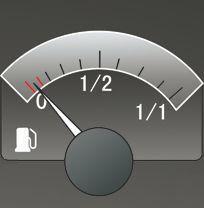
A. Right
B. Wrong
Answer:A
23. Whats the meaning of this sign?

A. no left turn
B. leftt and right turn
C. no leftt and right turn
D. no right turn
Answer:B
24. It lights to indicate that ______

A. the head fog light is turned on
B. the low beam light is turned on
C. the high beam light is turned on
D. the tail fog light is turned on
Answer:C
25. When a vehicle encounters a bike rider coming in the opposite direction on the road, the driver should _________.
A. Continuously change the high and low bean lights
B. Continuously honk
C. Use the low beam light, reduce speed or stop to evade
D. Use the high beam light
Answer:C


