
1. This sign warns the driver to run slowly with care and beware of the vehicles from horizontal road.

A. Right
B. Wrong
Answer:A
2. Whats the meaning of this sign?

A. landslide section
B. construction section
C. factory ahead
D. jammed road
Answer:B
3. Driving a small passenger vehicle at 100km/hr on the expressway, the minimum distance from the vehicle in front is _____ .
A. not less than 20 meters
B. not less than 10 meters
C. not less than 50 meters
D. not less than 30 meters
Answer:C
4. Driving this motorized vehicle on road is not an illegal act.
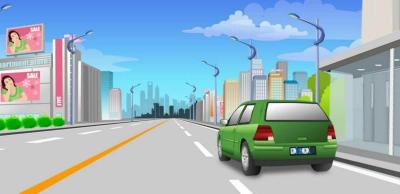
A. Right
B. Wrong
Answer:B
5. Whats the meaning of this sign?

A. distance to a tourist area
B. category of a tourist area
C. direction of a tourist area
D. symbol of a tourist area
Answer:C
6. Whats the meaning of this sign?

A. township road No.
B. county road No.
C. provincial highway No.
D. national highway No.
Answer:D
7. The seat belts can reduce the injury of the driver and passengers when there is a collision.
A. Right
B. Wrong
Answer:A
8. A driver should buckled up before the vehicle moves.
A. Right
B. Wrong
Answer:A
9. This sign indicates jammed section ahead and passing slowly.

A. Right
B. Wrong
Answer:B
10. Whats the meaning of this sign?

A. no entering the intersection
B. no right turn
C. no changing lane
D. no U turn
Answer:B
11. May turn right when encountering this traffic light at the intersection.

A. Right
B. Wrong
Answer:A
12. When encountering a traffic accident ahead and help is needed while driving, the driver should ________.
A. Bypass to dodge it as much as possible
B. Immediately report to the police, stop and look on.
C. Help to preserve the scene and immediately report to the police
D. Speed up and pass to ignore it
Answer:C
13. A rear tire blowout can sway the tail of the vehicle. The driver should firmly hold the steering wheel with both hands to ensure the vehicle go straight, reduce speed and then stop.
A. Right
B. Wrong
Answer:A
14. Let the straight-going vehicle go first at this intersection.

A. Right
B. Wrong
Answer:A
15. It lights if left door is not closed.

A. Right
B. Wrong
Answer:B
16. After a tire blows out and before the driver can control the speed of the vehicle, he should refrain from using the foot brake to stop the vehicle. Otherwise, a horizontal swing of the vehicle can cause greater danger.
A. Right
B. Wrong
Answer:A
17. When passing an intersection without traffic lights, the driver should go through as fast as possible.
A. Right
B. Wrong
Answer:B
18. After starting the engine, it lights to indicate that ______

A. engine main oil way blockage
B. engine oil pressure is too low
C. engine crankshaft box leaks
D. engine oil pressure is too high
Answer:B
19. When a vehicle passes a level crossing, the driver should use the low gear to pass and should not change gear halfway in order to avoid engine kill.
A. Right
B. Wrong
Answer:A
20. Which is correct if a vehicle breaks down and is difficult to move?
A. turn on the hazard lights
B. turn on all the lights of the vehicle
C. forbid the passengers to get off
D. place a warning sign in front of the vehicle
Answer:A
21. The child in the motorized vehicle does not need to buckle up when the vehicle runs.
A. Right
B. Wrong
Answer:B
22. As the road is wet and slippery after rain, brake application when driving can easily ___.
A. Cause sideways slide and traffic accident
B. Cause collision due to poor visibility
C. Be ignored by the drivers of other vehicles
D. Cause engine kill
Answer:A
23. Driving a motorized vehicle on the expressway is not allowed to exceed the marked maximum speed.
A. Right
B. Wrong
Answer:A
24. Whats the meaning of this sign?

A. police call number on expressway
B. public phone on expressway
C. emergency call number on expressway
D. rescue call number on expressway
Answer:D
25. When a vehicle reaches a sharp curve, the driver should _______.
A. Brake suddenly and go slowly
B. Drive along the outer side of the curve
C. Fully reduce speed and drive on the right side
D. Go forward by borrowing the opposite lane
Answer:C


