
1. The traffic lights allow the vehicle to ______
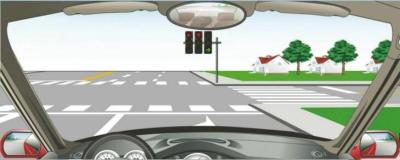
A. turn right
B. stop and wait
C. turn left
D. go straight
Answer:A
2. Whats the meaning of this sign?
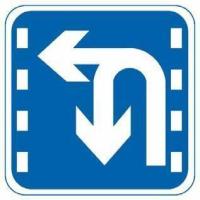
A. lanes for going in different directions
B. lane for both U turn and left turn
C. the lane of no left turn and no U turn
D. lane for both going straight and left turn
Answer:B
3. It is illegal for a driver to use a cell phone while driving.
A. Right
B. Wrong
Answer:A
4. Whats the meaning of this sign?
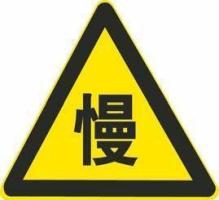
A. more vehicles section
B. passing slowly
C. jammed section
D. construction section
Answer:B
5. This sign warns the driver there is school area ahead.
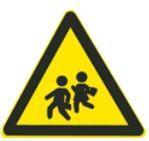
A. Right
B. Wrong
Answer:B
6. In which situation should a small car driver need check?
A. the end of a scoring cycle
B. change driving license due to expiration
C. fail to reach 12 points in one scoring cycle
D. reach 12 points in one scoring cycle
Answer:B
7. A driver should buckled up before the vehicle moves.
A. Right
B. Wrong
Answer:A
8. What marking is the triagle filled area in the circle?
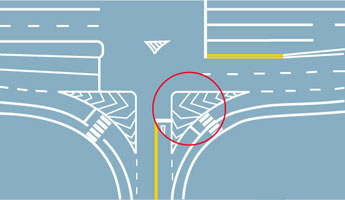
A. stop line
B. deceleration line
C. guide line
D. cross-hatched marking
Answer:C
9. The light switch is in this position, front fog lights turn on
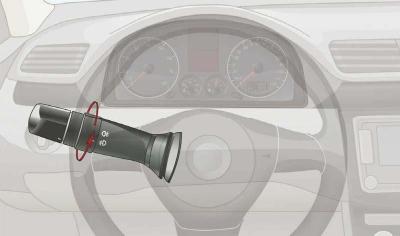
A. Right
B. Wrong
Answer:A
10. It lights to remind that the driver has not buckled up.

A. Right
B. Wrong
Answer:A
11. It displays the current engine speed is 6000 rev / min.
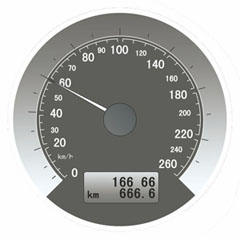
A. Right
B. Wrong
Answer:B
12. Which is correct when learning driving on road?
A. drive the corresponding coach car with coach sitting by to guide
B. drive the corresponding coach car alone
C. drive the corresponding coach car with other one who is not a coach sitting by to guide
D. drive the private car with coach sitting by to guide
Answer:A
13. How to use light in this situation at the intersection?
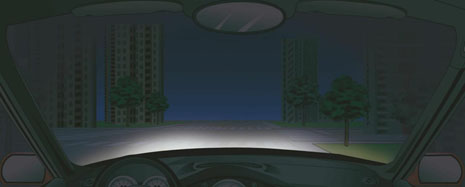
A. turn off high beam lights
B. use hazard lights
C. use the high and low beam lights alternately
D. use high beam lights
Answer:C
14. Continuously using the foot brake on a long downhill road ________.
A. Can shorten the engines service life
B. Increases the drivers labor intensity
C. Can drastically reduce the braking efficiency due to the rising temperature of the brake
D. Can easily cause vehicle overturn
Answer:C
15. The main impact of foggy weather on safe driving is _________.
A. The engine can easily stop
B. The vehicle can easily slide sideways
C. The resistance the vehicle increases
D. The visibility is low and the vision is poor
Answer:D
16. When a vehicle starts up, the driver should observe the traffic conditions and begin to start up after making sure it is safe to do so.
A. Right
B. Wrong
Answer:A
17. If a motorized vehicle driver has caused a major accident in violation of the traffic regulations which has caused heavy loss to public or private property, the driver is subject to a prison term of less than 3 years or a criminal detention.
A. Right
B. Wrong
Answer:A
18. What is the max speed on a road covered by ice and snow
A. 50km/hr
B. 40km/hr
C. 30km/hr
D. 20km/hr
Answer:C
19. A small bus driver should reduce speed rapidly when he suddenly feel bumpy on a flat expressway, to prevent tire blowout.
A. Right
B. Wrong
Answer:A
20. The yellow lane-dividing line on the road is used to _____
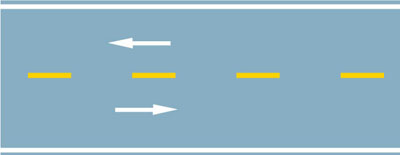
A. allow to drive in left lane
B. separate the traffic flow in opposite directions
C. separate the traffic flow in the same direction
D. prohibit to cross the opposite lane
Answer:B
21. No turning right when encountering this traffic light at the intersection.
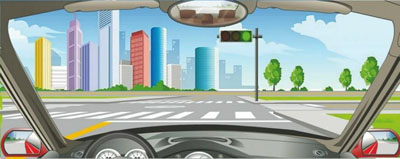
A. Right
B. Wrong
Answer:B
22. Whats the meaning of this sign?
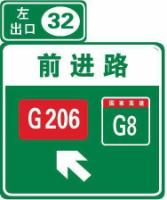
A. expressway next exit ahead
B. expressway right exit ahead
C. expressway left exit ahead
D. expressway destination indication
Answer:C
23. When passing an unmanned level crossing, the driver should ________.
A. Speed up and pass
B. Reduce speed and pass
C. Maintain the speed and pass
D. Stop, look and pass
Answer:D
24. It lights when the handbrake is pulled up.

A. Right
B. Wrong
Answer:A
25. When following a vehicle, the following vehicle may use the high beam light.
A. Right
B. Wrong
Answer:B


