
1. If a driver has driven a motorized vehicle for more than four hours running, he should stop the vehicle and rest for at least ____________.
A. 10 minutes
B. 15 minutes
C. 20 minutes
D. 5 minutes
Answer:C
2. Whats the meaning of this sign?

A. streets on both sides
B. main road go first
C. stop to yield
D. one-way road
Answer:B
3. When a vehicle goes downhill, it may fully use the neutral gear and slide.
A. Right
B. Wrong
Answer:B
4. Whats the meaning of this sign?
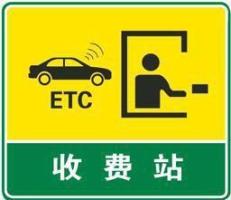
A. expressway toll station
B. expressway checkpoint
C. toll station with ETC
D. expressway card-getting point
Answer:C
5. Whats the meaning of this sign?

A. left one-way road
B. right one-way road
C. straight one-way road
D. yield if going to turn right
Answer:B
6. When an accident has caused congestion on an expressway, the vehicles may run in the emergency strip on the right or in the shoulder of the road.
A. Right
B. Wrong
Answer:B
7. Whats the meaning of this figure mark on the road?

A. a mark of keeping distance
B. a mark of minimum distance
C. a mark of speed limit
D. a mark of road number
Answer:C
8. This sign reminds the lane for non-motorized vehicles ahead.

A. Right
B. Wrong
Answer:B
9. Traffic signals include Traffic lights, Traffic signs and Command of the traffic police.
A. Right
B. Wrong
Answer:A
10. When encountering children on the road, the driver should _________.
A. Reduce speed and go slowly, or stop to yield when necessary
B. Continuously honk to urge
C. Swiftly bypass from one side
D. Speed up and bypass
Answer:A
11. This sign reminds the width of the bridge narrows ahead.

A. Right
B. Wrong
Answer:B
12. Ignition switch in the ON position, the vehicle can not use electrical appliances.

A. Right
B. Wrong
Answer:B
13. Whats the meaning of this sign?
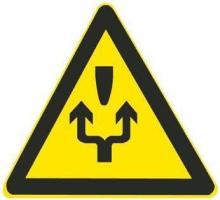
A. bypass at construction section
B. two-way traffic
C. bypass from left or right side
D. watch for danger
Answer:C
14. In a vehicle that has safety belts, the driver should request the passengers to buckle up.
A. Right
B. Wrong
Answer:A
15. The hazard lights can be used when ________
A. encountering traffic congestion
B. following a vehicle on road
C. the vehicle breaks down and stops
D. leading the vehicle behind
Answer:C
16. When a vehicle approaches a bus stopping at a bus stop, the driver should ______ in case the bus starts up suddenly or pedestrians cross in front of the bus.
A. Reduce speed, keep a sufficient distance and be ready to stop anytime
B. Maintain the normal speed
C. Honk to remind, speed up and pass
D. Be ready to apply emergency braking
Answer:A
17. The three principles for careful driving are concentration, careful observation and early prevention.
A. Right
B. Wrong
Answer:A
18. A driver should observe the dynamic situation of the rear side vehicles before driving into the traffic flow from other road.
A. Right
B. Wrong
Answer:A
19. When discovering traffic congestion ahead while driving, the driver should ________.
A. Find a chance to overtake the vehicle in front
B. Weave through other vehicles
C. Reduce speed, stop and wait in line
D. Honk to urge other vehicles
Answer:C
20. Pass the crossing as fast as possible if there is a red light at the intersection of a road or a level crossing.

A. Right
B. Wrong
Answer:B
21. The main impact of the road conditions in icy and snowy weather is ______.
A. The electric equipment can easily get wet and cause short circuit
B. The visibility is lower and the field of vision is blurred
C. The resistance to the vehicle increases
D. Poor braking performance and Side pulling
Answer:D
22. The child in the motorized vehicle does not need to buckle up when the vehicle runs.
A. Right
B. Wrong
Answer:B
23. This sign reminds the lane or the road narrows on both sides ahead.

A. Right
B. Wrong
Answer:B
24. It lights to indicate that ______

A. engine compartment is opened
B. cover of fuel tank is opened
C. doors of both sides are opened
D. luggage compartment is opened
Answer:C
25. The validity of the driving license is divided into 6-year, 10-year and 20-year.
A. Right
B. Wrong
Answer:B


