
1. What does the traffic light mean?

A. speed up and turn left
B. no right turn
C. intersection warning
D. speed and run straight
Answer:C
2. Whats the meaning of this sign?

A. embankment road
B. cliffside road
C. waterside road
D. slippery road
Answer:A
3. Whats the meaning of this sign?
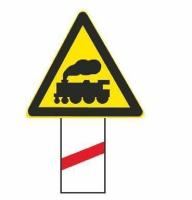
A. an unmanned level crossing 100m ahead
B. a manned level crossing 100m ahead
C. an unmanned level crossing 50m ahead
D. a manned level crossing 50m ahead
Answer:C
4. You may speed up to go through the intersection in this case.Answer:

A. Right
B. Wrong
Answer:B
5. A motorized vehicle can make a U turn on this road as long as it does not interfere other vehicles.

A. Right
B. Wrong
Answer:A
6. Whats the meaning of this sign?

A. no left turn
B. dead-end road
C. no passing
D. bypass if overheight
Answer:D
7. Whats the meaning of this sign?
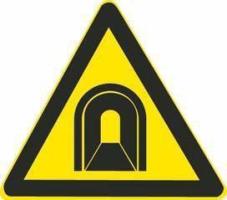
A. water channel
B. bridge
C. tunnel
D. Culvert
Answer:C
8. How to drive through the intersection without traffic lights?
A. reduce speed and go slowly
B. speed up and pass
C. let large vehicle go first
D. let the left vehicle go first
Answer:A
9. It flashes when turning on the hazard lights.

A. Right
B. Wrong
Answer:A
10. Whats the meaning of this sign?
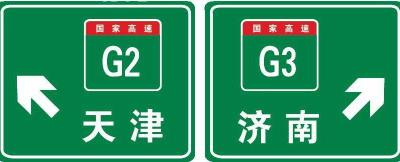
A. expressway right side exit ahead
B. expressway next exit indication
C. expressway location and direction indication
D. expressway left side exit ahead
Answer:C
11. When crossing each other at night, how far should change the high beam lights to low beam lights?
A. not need to change lights
B. beyond 150m
C. within 100m
D. within 50m
Answer:B
12. When a vehicle changes lane, the driver should turn on the turn signal and rapidly enter the new lane.
A. Right
B. Wrong
Answer:B
13. This sign reminds strong side wind ahead.

A. Right
B. Wrong
Answer:A
14. If a driver has driven a motorized vehicle for more than four hours running, he should stop the vehicle and rest for at least ____________.
A. 10 minutes
B. 15 minutes
C. 20 minutes
D. 5 minutes
Answer:C
15. Which is correct to use lights on rainy day when following a vehicle?

A. use high beam lights
B. cannot use the low beam lights
C. cannot use the high beam light
D. use fog lights
Answer:C
16. This small car can not stop here.

A. Right
B. Wrong
Answer:A
17. If a person who has caused a major traffic accident and if his act constitutes a crime, he should be held for _________.
A. criminal liability
B. civil liability
C. direct liability
D. economic liability
Answer:A
18. When starting up a vehicle stopping at the roadside, the driver should first ________.
A. Depress the accelerator pedal and start
B. Honk
C. Increase engine rotation speed
D. Observe the conditions around the vehicles
Answer:D
19. What pedal is it?

A. clutch pedal
B. accelerator pedal
C. brake pedal
D. handbrake
Answer:C
20. When a vehicle follows another vehicle on a mountain road, it should ____.
A. Properly increase the safe distance
B. Closely follow the vehicle in front
C. Properly reduce the safe distance
D. Try to find a chance to overtake
Answer:A
21. Rear fog light lights when the light switch is at this position.
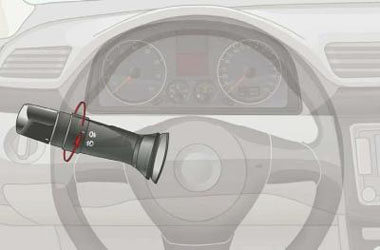
A. Right
B. Wrong
Answer:A
22. If a front tire blowout has caused a turn in direction, the driver should not avoid excess adjustment. Instead, he should control the direction of the vehicle, ____, and slowly reduce the speed of the vehicle.
A. Apply emergency braking
B. Use the handbrake
C. Gently depress the brake pedal
D. Swiftly depress the brake pedal
Answer:C
23. When a vehicle has increased its speed to more than 60 kilometers per hour on the ramp of an expressway, it may directly enter the carriageway.
A. Right
B. Wrong
Answer:B
24. Move the turn signal switch upward, the left-turn signal lights.

A. Right
B. Wrong
Answer:B
25. What does the traffic light mean?

A. allowed to pass
B. draw attention
C. intersection warning
D. prohibited from passing
Answer:D


