
1. Whats the meaning of this sign?
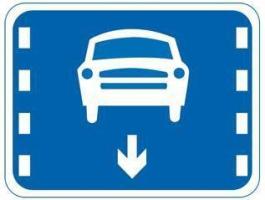
A. lane for small vehicles
B. special lane for small vehicles
C. special lane for multi-passenger vehicles
D. lane for motorized vehicles
Answer:D
2. Whats the meaning of this sign?
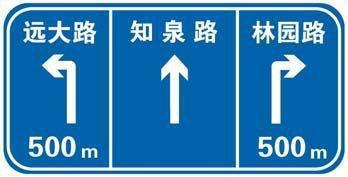
A. lane direction indication
B. intersection ahead
C. lane information indication
D. road branching point ahead
Answer:B
3. Driving this motorized vehicle on road is not an illegal act.
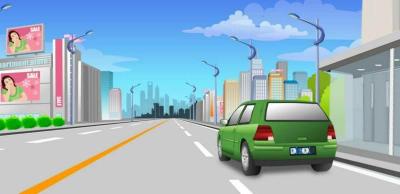
A. Right
B. Wrong
Answer:B
4. This sign indicates running slowly or stopping to let the vehicle on main road go first.
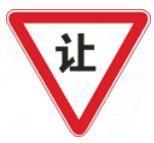
A. Right
B. Wrong
Answer:A
5. Whats the meaning of this sign?
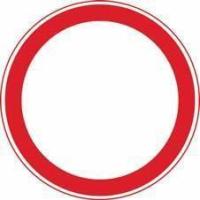
A. No passing
B. driving at reduced speed
C. time limit for entering
D. no entering
Answer:A
6. When a vehicle changes lane, the driver only needs to turn on the turn signal before rapidly entering the new lane.
A. Right
B. Wrong
Answer:B
7. ABS system can keep the steering capability of the front wheels while providing maximum braking force when the vehicle conduct an emergency braking.
A. Right
B. Wrong
Answer:A
8. If a motorized vehicle driver has caused a major accident in violation of the traffic regulations which has caused heavy loss to public or private property, the driver is subject to a prison term of less than 3 years or a criminal detention.
A. Right
B. Wrong
Answer:A
9. When driving in icy and snowy weather, the vehicle steadiness decreases and sudden acceleration can very easily cause spins and slides.
A. Right
B. Wrong
Answer:A
10. How to do when encountering this situation of waiting in line?
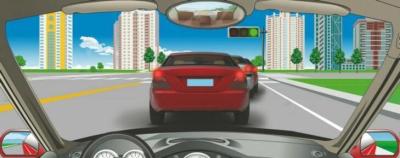
A. cross the solid line from left side to overtake
B. overtake from both sides as will
C. wait in line
D. borrow the lane from right side to overtake
Answer:C
11. Whats the meaning of this sign?
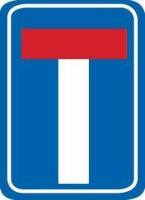
A. T-shaped intersection
B. branching intersection
C. reduce speed to pass
D. dead-end road
Answer:D
12. For a driver who drivers a commercial motor vehicle after drinking, besides being detained by the traffic management department of the public security organ till he/she sobers up, what will he/she be subject to?
A. Temporary detainment of the motor vehicle
B. Temporary detainment of the driving license
C. Revocation of the motor vehicle driving license
D. He/she will be banned from driving for life
Answer:C
13. When a vehicle overtakes the bike riders going in the same direction, the rational way to deal with is to ________.
A. Continuously honk to remind them to yield
B. Continuously honk and speed up to overtake
C. Yield to the bike riders
D. Observe them, reduce speed and go slowly, while keeping a sufficient safe distance.
Answer:D
14. Whats the meaning of this sign?
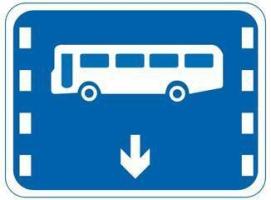
A. special lane for large buses
B. special lane for public buses
C. special lane for Bus Rapid Transit System
D. special lane for multi-passenger vehicles
Answer:B
15. Opening the doors of a motorized vehicle should not obstruct the flow of other vehicles and pedestrians.
A. Right
B. Wrong
Answer:A
16. A motorized vehicle runs on the road without a label of insurance, the traffic police can detain the vehicle license according to law.
A. Right
B. Wrong
Answer:B
17. The main impact of the road conditions at night on safe driving is ________.
A. The visibility is low and unfavorable for observing road traffic conditions
B. The road surface is complex and changing
C. The physical strength of the driver decreases
D. The driver can easily have impulse and illusion
Answer:A
18. Whats the meaning of this sign?
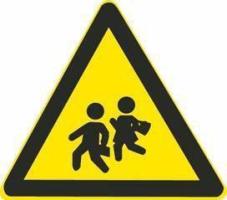
A. school area
B. watch for children
C. crosswalk
D. watch for pedestrians
Answer:B
19. When causing a road accident involving property damage, the party should leave the scene on his own but he does not leave and causes a traffic jam, he may be subject to a fine of 200 yuan.
A. Right
B. Wrong
Answer:A
20. It lights if left door is not closed.

A. Right
B. Wrong
Answer:B
21. Using the high and low beam lights alternately while driving on the road of this kind of sharp curve.
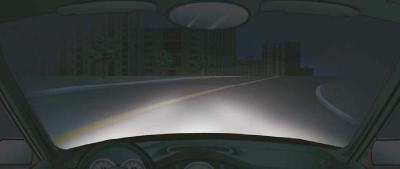
A. Right
B. Wrong
Answer:A
22. The driving license will not be revoked if the person drives after drug taking and injection.
A. Right
B. Wrong
Answer:B
23. Whats the role of directional sign?
A. restrict the vehicles from passing
B. indicate speed limited information
C. provide direction information
D. warn danger ahead
Answer:C
24. Whats the meaning of this sign?
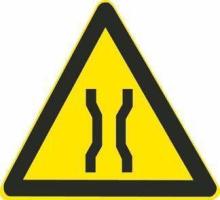
A. road narrows on the left side
B. narrow bridge
C. narrow road
D. road narrows on the right side
Answer:B
25. Whats the meaning of this sign?
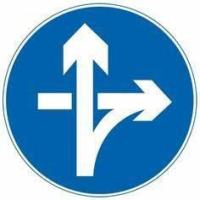
A. going straight and turning left
B. going straight and turning right
C. going straight and turning right at an interchange
D. going straight and turning left at an interchange
Answer:C


