
1. When a vehicle on the main road approaches a conjunction with a feeder road, the driver should ______ in order to prevent a collision with a vehicle that suddenly enters from the feeder road.
A. Maintain the normal speed
B. Reduce speed in advance, observe and drive with care
C. Honk and swiftly pass
D. Speed up in advance and pass
Answer:B
2. At this position, the motorized vehicle can continue to go through if the front wheels have passed the stop line.

A. Right
B. Wrong
Answer:B
3. Whats the meaning of this sign?

A. right-turn lane
B. U turn lane
C. left-turn lane
D. lanes for going in different directions
Answer:A
4. You can overtake from both sides in this case.

A. Right
B. Wrong
Answer:B
5. If a motorized vehicle breaks down or causes a traffic accident on the expressway and cannot to run normally, the vehicle should be towed by ______.
A. a vehicle passing by
B. a large bus
C. a vehicle traveling together
D. a tow truck
Answer:D
6. The wrong measure to avoid tire blowout is to _________.
A. Reduce tire pressure
B. Check the tires regularly
C. Remove objects from tire tread grooves in a timely manner
D. Replace the tire that has cracks or deep cuts
Answer:A
7. This sign reminds a sharp curve ahead.

A. Right
B. Wrong
Answer:B
8. What is this manipulation device?
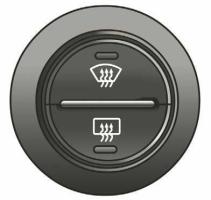
A. switch of the turn signal
B. switch of the head lights
C. switch of wiper
D. switch of defogger
Answer:D
9. Whats the meaning of this sign?

A. no left turn
B. dead-end road
C. no passing
D. bypass if overheight
Answer:D
10. What is this traffic sign?

A. slippery section
B. sharp curve
C. inverse curve
D. continuous curves
Answer:C
11. When driving in a rainstorm and the windscreen wiper cannot totally wipe off the rain water, the driver should ________.
A. Concentrate his attention and drive with care
B. Immediately reduce speed and stop at the road side
C. Maintain the normal speed
D. Drive at a reduced speed
Answer:B
12. In such road sections, you can enter the cross-hatched marking area to wait.

A. Right
B. Wrong
Answer:B
13. If a motorized vehicle hits a building or a public facility, the vehicle may leave the scene right away.
A. Right
B. Wrong
Answer:B
14. No turning left in this situation.

A. Right
B. Wrong
Answer:A
15. When a vehicle coming in the opposite direction suddenly overtakes and occupies your lane, the correct way to deal with this situation is to __________.
A. Obstruct the way of that vehicle
B. Maintain the original speed
C. Reduce speed and avoid as much as possible, till stop
D. Speed up and go forward
Answer:C
16. When the light switch is rotated to the position, the whole car lights turn on.
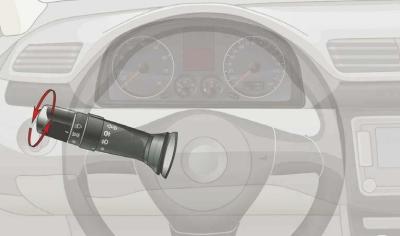
A. Right
B. Wrong
Answer:B
17. When encountering children on the road, the driver should _________.
A. Reduce speed and go slowly, or stop to yield when necessary
B. Continuously honk to urge
C. Swiftly bypass from one side
D. Speed up and bypass
Answer:A
18. The main impact of rainy weather on safe driving is _______.
A. The road is wet and slippery and the visibility is poor
B. The engine is prone to stop
C. The resistance to the vehicle increases
D. The electric equipment is prone to getting wet and causing short circuit
Answer:A
19. Whats the meaning of this sign?

A. no going straight and no changing to left lane
B. no going straight and no left turn
C. allowed to go straight and turn left
D. no going straight and no right turn
Answer:B
20. This sign reminds dangerous hillside road ahead.

A. Right
B. Wrong
Answer:B
21. When a vehicle passes a narrow road or bridge, it is prohibited from overtaking.
A. Right
B. Wrong
Answer:A
22. Whats the meaning of this sign?

A. embankment road
B. steep uphill road
C. continuous up slopes
D. steep downhill road
Answer:D
23. In which section cannot overtake?
A. main streets
B. elevated road
C. crosswalk
D. ring express
Answer:C
24. Whats the meaning of this sign?
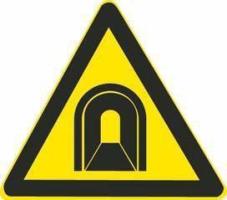
A. water channel
B. bridge
C. tunnel
D. Culvert
Answer:C
25. This sign reminds bump road ahead which may causes bump phenomenon.

A. Right
B. Wrong
Answer:A


