
1. Which kind of sign is it?
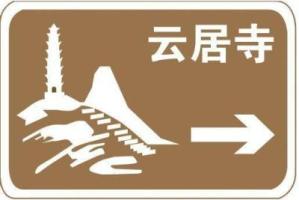
A. tourist zone sign
B. work area sign
C. notification signs
D. expressway sign
Answer:A
2. Choose the lane with the green arrow light on.
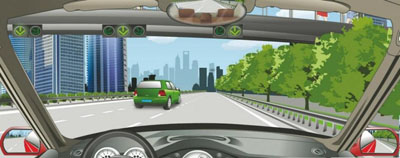
A. Right
B. Wrong
Answer:A
3. Whats the meaning of this sign?
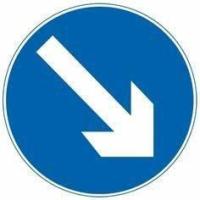
A. downhill section on right side
B. driving by the right side of the road
C. stopping by the right side of the road
D. right turn only
Answer:B
4. A vehicle may stop on the ramp of an expressway.
A. Right
B. Wrong
Answer:B
5. A driver should stop on the expressway at once to have a rest when he feel tired.
A. Right
B. Wrong
Answer:B
6. When driving a motor vehicle after drinking, a prison term of more than 3 years will be imposed.
A. Right
B. Wrong
Answer:B
7. What marking is the white broken line on the road?
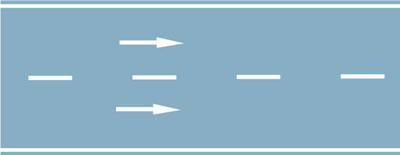
A. central line of opposite lanes which is prohibited from crossing
B. central line of opposite lanes which is restricted from crossing
C. central dividing line of the one-way road lanes
D. central line of same direction lanes which is allowed to cross
Answer:D
8. Whats the meaning of this sign?
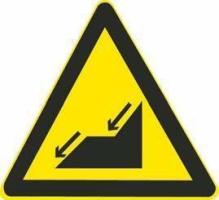
A. continuous down slopes
B. steep downhill road
C. steep uphill road
D. continuous up slopes
Answer:A
9. Whats the meaning of this sign?
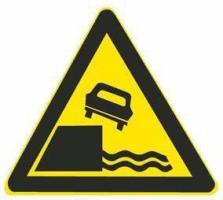
A. embankment road
B. cliffside road
C. waterside road
D. slippery road
Answer:A
10. Whats the meaning of this sign?
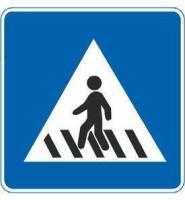
A. crosswalk
B. students passage
C. watch for pedestrians
D. childrens passage
Answer:A
11. Whats the meaning of the marking in the red circle?
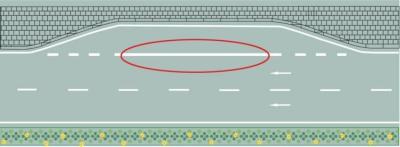
A. temporary stopping
B. bay-stopping
C. emergency stopping
D. public bus station
Answer:B
12. What pedal is it?
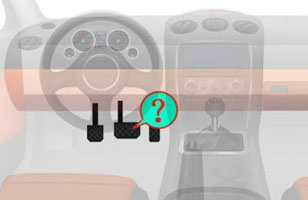
A. clutch pedal
B. accelerator pedal
C. brake pedal
D. handbrake
Answer:C
13. When the driver senses a tire blowout on the road, he should control the direction of the vehicle, gently depress the brake pedal to slowly reduce the speed and gradually park the vehicle steadily on the roadside.
A. Right
B. Wrong
Answer:A
14. No running into the middle lane when encountering this situation.
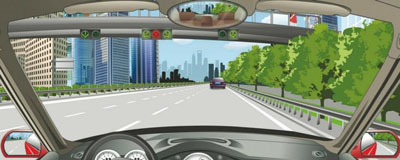
A. Right
B. Wrong
Answer:A
15. When a following vehicle gives the overtaking signal, the driver should ________ if conditions permit.
A. Move to the right side and speed up
B. Voluntarily reduce speed and drive along the right side
C. Yield a proper space and speed up
D. Reduce speed rapidly or apply an emergency braking
Answer:B
16. When encountering a vehicle coming in the opposite direction on a mountain road, the driver should ______ when crossing each other.
A. Not reduce speed
B. Stick to the center of the road
C. Speed up
D. Reduce speed or stop to yield
Answer:D
17. Whats the meaning of this guide arrow?
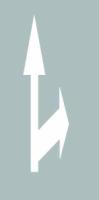
A. indicate going straight or turning right
B. indicate turning right or making a U turn
C. indicate going straight or changing to right lane
D. indicate going straight or making a U turn
Answer:A
18. Whats the meaning of this sign?
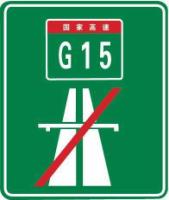
A. expressway exit ahead
B. expressway entry ahead
C. expressway ending ahead
D. expressway beginning ahead
Answer:C
19. Speeding up to go though the intersection before the light turns to red in this case.
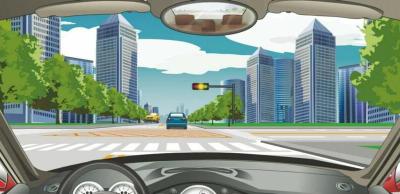
A. Right
B. Wrong
Answer:B
20. What does this symbol indicate?

A. switch of high beam lights
B. switch of the low beam lights
C. master switch of vehicle lights
D. the switch of tail fog light
Answer:C
21. Driving and smoking has no harm on safe driving.
A. Right
B. Wrong
Answer:B
22. Whats the meaning of this sign?
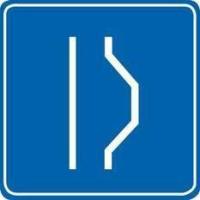
A. uncovered car park
B. emergency stopping
C. parking space
D. passing bay
Answer:D
23. Whats the meaning of this mark on the road?
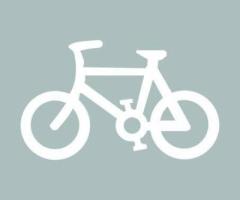
A. the lane for non-motorized vehicles
B. the special lane for motorcycles
C. the special lane for battery bicycles
D. the special lane for bicycles
Answer:A
24. A person who has taken the state-controlled psychiatric substances can drive motorized vehicle in short distance.
A. Right
B. Wrong
Answer:B
25. Whats the meaning of this sign?
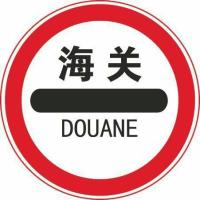
A. national boundaries
B. border defense
C. boundaries
D. customs
Answer:D


