
1. When a vehicle runs on a narrow mountain road, the driver should ______ if the party close to the mountain mass refuses to yield.
A. Honk to urge the other party to yield
B. Maintain the normal speed
C. Reduce speed or stop to yield
D. Use the left lane and pass with care
Answer:C
2. If one drives an illegally assembled motorized vehicle, he should not only pay the fine, but also ________ .
A. be confiscated the driving license
B. be revoked the driving permission
C. be forced to recover the vehicle condition
D. be revoked the driving license
Answer:D
3. When reversing on an ordinary road and discovering some vehicles are passing, the driver should _________.
A. Honk to indicate the intention
B. Voluntarily stop and yield
C. Speed up and reverse
D. Continue to reverse
Answer:B
4. When a vehicle changes lane, the driver only needs to turn on the turn signal before rapidly entering the new lane.
A. Right
B. Wrong
Answer:B
5. What marking is the yellow broken line in the circle?
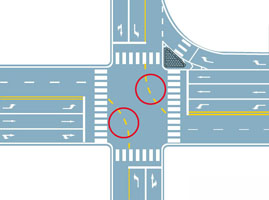
A. non-motorized vehicles guide lines
B. intersection guide line
C. lane connection lines
D. small vehicles turning lines
Answer:B
6. At this position, the motorized vehicle can continue to go through if the front wheels have passed the stop line.

A. Right
B. Wrong
Answer:B
7. Whats the meaning of this sign?
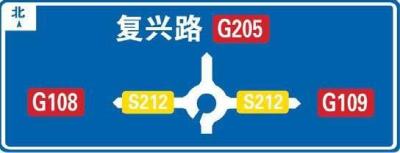
A. intersection ahead
B. interchange ahead
C. Y-shaped intersection ahead
D. ring intersection ahead
Answer:D
8. What does the traffic light mean?
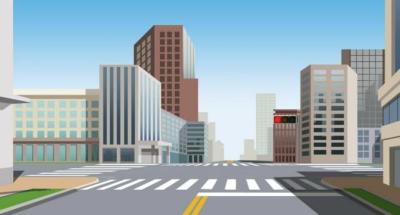
A. allowed to pass
B. draw attention
C. intersection warning
D. prohibited from passing
Answer:D
9. When the vehicles cross each other at night, the driver may continuous change lights to remind the vehicle coming in the opposite direction and at the same should reduce speed and go forward or stop on the right side.
A. Right
B. Wrong
Answer:A
10. How to run when encountering this situation?
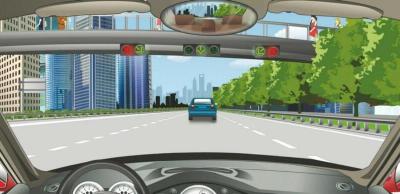
A. speed up to enter the lane of either side
B. enter the right lane
C. reduce speed and enter the lane of either side
D. can not run in the lane of neither side
Answer:D
11. Move the switch up and down, the windscreen wipers start working.
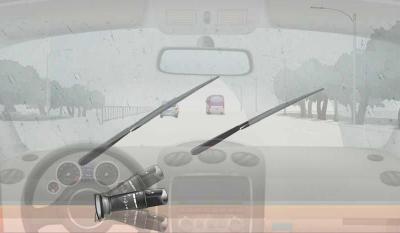
A. Right
B. Wrong
Answer:A
12. When driving in icy and snowy weather, ________.
A. The braking distance becomes longer
B. The resistance to slide becomes larger
C. The braking performance does not change
D. The road grip becomes stronger
Answer:A
13. ABS system can maximize the braking efficiency when conducting _______
A. braking intermittently
B. braking continuously
C. applying emergency braking
D. gently depressing the brake pedal
Answer:C
14. Whats the meaning of the yellow mark on the road?
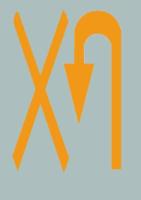
A. no going straight
B. allowed to make a U turn
C. no U turn
D. no making a turn
Answer:C
15. When a vehicle changes lane before an intersection, the driver should do so ______.
A. In the area marked by solid lines before the intersection
B. In the area marked by solid lines in the intersection
C. In the area marked by broken lines as indicated by the guide arrow
D. Before the stop line at the intersection
Answer:C
16. This set of the hand signals of the traffic police indicates that the vehicles should ___ .
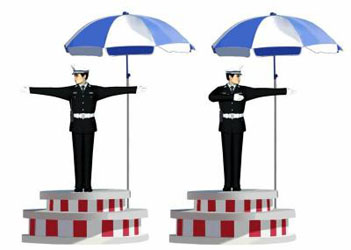
A. go straight
B. make a turn
C. stop
D. pull over
Answer:A
17. May directly turn left in front of the vehicle coming opposite when encountering this traffic light.
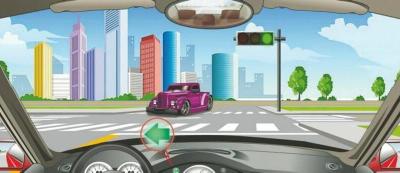
A. Right
B. Wrong
Answer:B
18. The act of this small passenger vehicle to enter the expressway lane is correct.
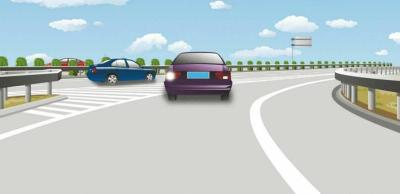
A. Right
B. Wrong
Answer:B
19. Whats the meaning of this sign?
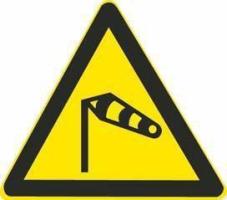
A. tunnel entry
B. observatory
C. mind side wind
D. wind vane
Answer:C
20. When driving at night on a road that has good lighting, the driver should use _______.
A. The fog light
B. The low beam light
C. The high beam light
D. The hazard lights
Answer:B
21. When driving in windy, rainy, snowy, foggy and other complex weather conditions, the driver should turn on the head light, honk continuously and overtake rapidly if the vehicle in front goes slowly.
A. Right
B. Wrong
Answer:B
22. The hazard lights can be used when ________
A. encountering traffic congestion
B. following a vehicle on road
C. the vehicle breaks down and stops
D. leading the vehicle behind
Answer:C
23. How to pass this intersection?
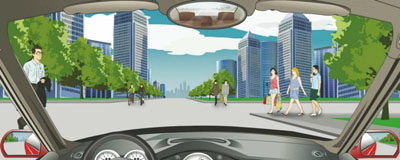
A. keep the speed and go through
B. honk to urge
C. reduce speed and go through slowly
D. speed up and go through
Answer:C
24. This sign warns two neighboring inverse curves ahead.
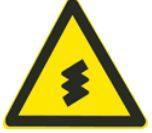
A. Right
B. Wrong
Answer:B
25. When reaching an intersection, a left-turning vehicle may enter the left-turn waiting area anytime.
A. Right
B. Wrong
Answer:B


