
1. This small car can not stop here.
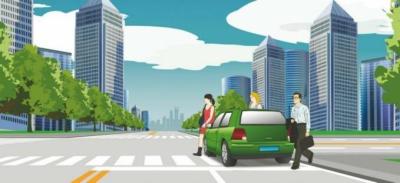
A. Right
B. Wrong
Answer:A
2. When a vehicle merges with the traffic flow, the driver should turn on the turn signal in advance, go straight, observe the traffic conditions on both sides through the rear-view mirror, and merge with the traffic flow if it is safe to do so.
A. Right
B. Wrong
Answer:A
3. Nobody is allowed to drive a motorized vehicle that has safety hazards.
A. Right
B. Wrong
Answer:A
4. Which lane to choose when turning left in this intersection?
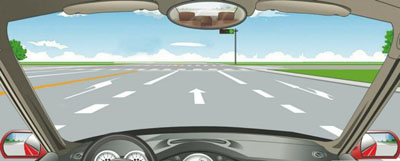
A. the far left lane
B. middle lane
C. not need to change lane
D. the far right lane
Answer:A
5. When discovering the persons injured in a traffic accident need rescue while driving, the driver should _________.
A. Send the injured persons to hospital in a timely manner or make emergency calls
B. Dodge as much as possible
C. Go ahead by bypassing the scene
D. Find an excuse to dodge the scene
Answer:A
6. Whats the meaning of the white horizontal solid line in the circle?
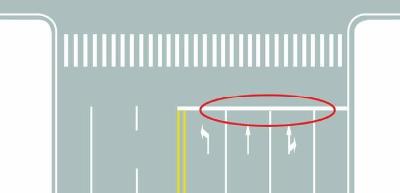
A. turning waiting line
B. deceleration line
C. yielding line
D. stop line
Answer:D
7. How to use lights when pulling over on road?
A. turn on the hazard lights
B. turn on the right-turn signal in advance
C. use the high and low beam lights alternately
D. not need to use any light to indicate
Answer:B
8. This sign reminds the road in front changes to inseparate two ways section.
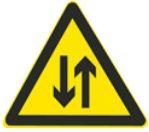
A. Right
B. Wrong
Answer:A
9. When a vehicle encounters a bike rider coming in the opposite direction on the road, the driver should _________.
A. Continuously change the high and low bean lights
B. Continuously honk
C. Use the low beam light, reduce speed or stop to evade
D. Use the high beam light
Answer:C
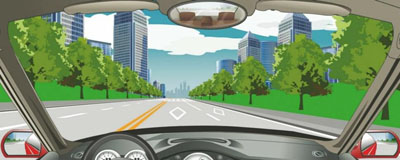
10. You should speed up through the section with this kind of traffic marking.
A. Right
B. Wrong
Answer:B
11. Whats the meaning of this sign?
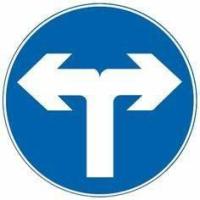
A. no left turn
B. leftt and right turn
C. no leftt and right turn
D. no right turn
Answer:B
12. What is this traffic sign?
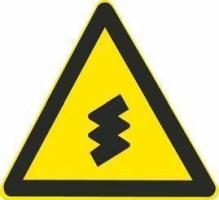
A. slippery section
B. sharp curve
C. inverse curve
D. continuous curves
Answer:D
13. Whats the meaning of this sign?
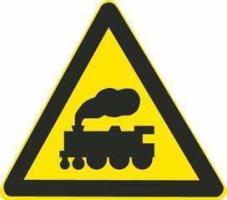
A. watch for long time honking
B. an unmanned level crossing
C. a manned level crossing
D. multi-crossing of railway and road
Answer:B
14. Whats the meaning of this sign?
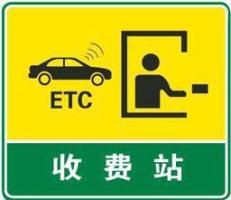
A. expressway toll station
B. expressway checkpoint
C. toll station with ETC
D. expressway card-getting point
Answer:C
15. When driving on a mountain road covered by ice and snow, the vehicle behind should ______ if the vehicle in front is climbing a slope.
A. Climb slowly
B. Closely follow and climb
C. Select a proper place to stop and climb after the vehicle in front has passed
D. Rapidly overtake the vehicle in front
Answer:C
16. The vehicle is allowed to _______ at this intersection.
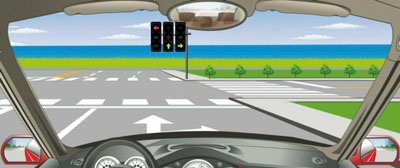
A. go straight or turn right
B. turn left
C. go straight or turn left
D. turn left or turn right
Answer:A
17. Violating the law and regulations on road traffic safety is the act of violation of the law.
A. Right
B. Wrong
Answer:A
18. If the registration paper, license plate and vehicle license of a motorized vehicle are lost or destroyed, the vehicle owner should apply for reissuing or replacing them to the _______________.
A. traffic police detachment vehicle management station at the residential place
B. vehicle management station at the issuing place of the driving license
C. vehicle management station at the registration place
D. local police station
Answer:C
19. Which should be taken along while driving?
A. vocational qualification certificate
B. ID card
C. driving license
D. work permits
Answer:C
20. Whats the meaning of this guide arrow?
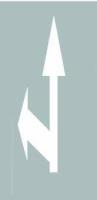
A. going straight or U turn
B. going straight or left turn
C. going straight or changing to left lane
D. left turn or U turn
Answer:B
21. What is the max speed when passing this curve?
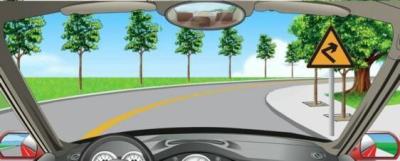
A. 40km/hr
B. 30km/hr
C. 50km/hr
D. 70km/hr
Answer:B
22. To hold the steering wheel like this is correct.
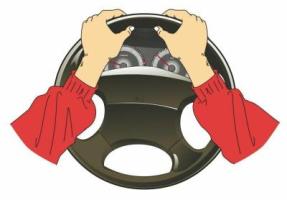
A. Right
B. Wrong
Answer:B
23. When a vehicle changes to the right lane, the driver should turn on the right-turn signal in advance, observe and enter the new lane if it is safe to do so.
A. Right
B. Wrong
Answer:A
24. When encountering children on the road, the driver should _________.
A. Reduce speed and go slowly, or stop to yield when necessary
B. Continuously honk to urge
C. Swiftly bypass from one side
D. Speed up and bypass
Answer:A
25. Move the switch up and down, the windscreen wipers start working.
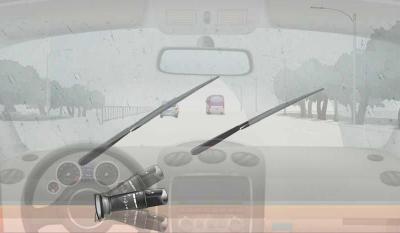
A. Right
B. Wrong
Answer:A


