
1. When driving at night, the driver should reduce speed and go forward if the vehicle coming in the opposite direction fails to turn off the high beam light. This is designed to prevent an accident from happening when there are pedestrians crossing the place where the lights of the two vehicles meet.
A. Right
B. Wrong
Answer:A
2. If a vehicle enters a left lane for overtaking but is unable to ensure a safe horizontal distance with the normally-running vehicle in front, the driver should ________.
A. Speed up and overtake
B. Overtake after running a distance in parallel
C. Give up overtaking
D. Overtake with care
Answer:C
3. When encountering a traffic jam on the expressway, the driver should follow the front vehicle lining up, and immediately turn on the hazard light to prevent rear-end collision.
A. Right
B. Wrong
Answer:A
4. It lights when turning on the left-turn signal.

A. Right
B. Wrong
Answer:B
5. Traffic Police only imposes a fine if a vehicle is suspected of using the falsified or altered label of inspection.
A. Right
B. Wrong
Answer:B
6. A motorized vehicle is not allowed to make a U turn at the level crossing, bridge, steep slope, tunnel or dangerous road section.
A. Right
B. Wrong
Answer:A
7. When a vehicle approaches a crosswalk, the driver should ________.
A. Speed up and pass
B. Stop immediately
C. Honk to indicate the pedestrians to yield
D. Observe the movement of pedestrians and non-motorized vehicles, make sure it is safe before passing
Answer:D
8. Whats the meaning of this sign?
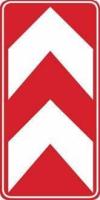
A. Passing on both sides
B. Passing is prohibited
C. Passing by the left side
D. Passing by the right side
Answer:A
9. Which part does it control when pulling this switch?
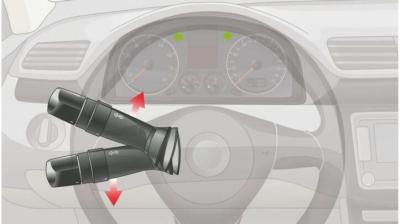
A. turn signals
B. reverse light
C. contour light
D. hazard light
Answer:A
10. One shall not drive a motorized vehicle during the period of deferred license checking due to military service, abroad and other reasons.
A. Right
B. Wrong
Answer:A
11. When encountering an ambulance rushing in the same lane in the opposite direction, the driver should ________.
A. Move to the road side, reduce speed or stop to yield
B. Drive on by using another lane
C. Speed up and change lane to avoid
D. Continue to go in the original lane
Answer:A
12. This sign warns the driver there is school area ahead.
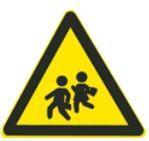
A. Right
B. Wrong
Answer:B
13. A motorized vehicle is not allowed to stop in the section 50 meters to the bridge, steep slope or tunnel.
A. Right
B. Wrong
Answer:A
14. It lights while driving to indicate that ______

A. engine temperature is too high
B. engine cooling system malfunction
C. engine lubrication system malfunction
D. engine temperature is too low
Answer:A
15. In this case, if it has not begun going up the slope, the vehicle going uphill should yield to the one going downhill.
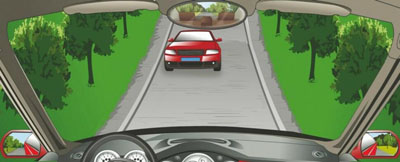
A. Right
B. Wrong
Answer:A
16. Whats the meaning of this sign?
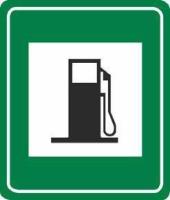
A. bus station of expressway
B. rest area of expressway
C. gasoline station of expressway
D. service area of expressway
Answer:C
17. Whats the meaning of this sign?
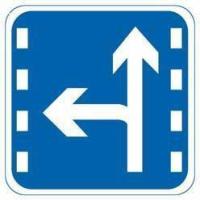
A. lane for both going straight and U turn
B. lane for both going straight and left turn
C. lane for going straight and right turn
D. lanes for going in different directions
Answer:B
18. When a motorized vehicle breaks down on the road and is difficult to move, the driver should place a warning sign within 50 meters behind the vehicle.
A. Right
B. Wrong
Answer:B
19. When running on an expressway that has four lanes in the same direction, the vehicles whose speed is higher than 110 kilometers per hour should run ______.
A. The far left lane
B. The second left lane
C. The far right lane
D. The third left lane
Answer:A
20. What marking is the road mark in the circle?
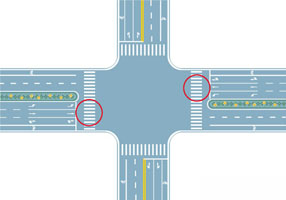
A. crosswalk line
B. slowdown and yield line
C. stopping and yield line
D. intersection signal line
Answer:A
21. Traffic Police can detain the vehicle according to law if it uses other vehicles license plate and vehicle license.
A. Right
B. Wrong
Answer:A
22. The validity of the Admission Form is _________
A. 1 year
B. 2 years
C. 3 years
D. 4 years
Answer:C
23. Whats the meaning of this sign?
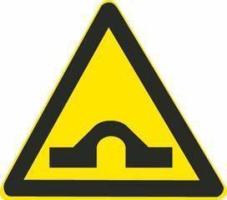
A. hump bridge
B. high outburst road
C. low-lying road
D. bump road
Answer:A
24. The police can detain the vehicle if one drives a vehicle without ______
A. driving license
B. ID card
C. pass paper
D. qualification certificate
Answer:A
25. What device does the switch of this symbol control?

A. the windscreen defrosting
B. the rear window wiper
C. the rear window defrosting
D. the windscreen wiper
Answer:D


