
1. Whats the meaning of this sign?
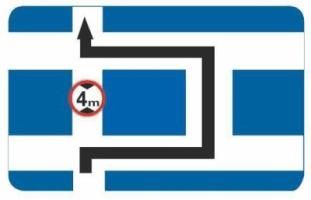
A. no left turn
B. dead-end road
C. no passing
D. bypass if overheight
Answer:D
2. Whats the meaning of this sign?
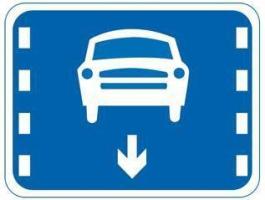
A. lane for small vehicles
B. special lane for small vehicles
C. special lane for multi-passenger vehicles
D. lane for motorized vehicles
Answer:D
3. Whats the meaning of this guide arrow?
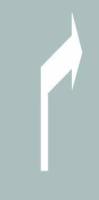
A. indicate changing to left lane
B. indicate changing to left lane
C. indicate making a U turn ahead
D. indicate turning right ahead
Answer:D
4. In this case, if it has not begun going up the slope, the vehicle going uphill should yield to the one going downhill.
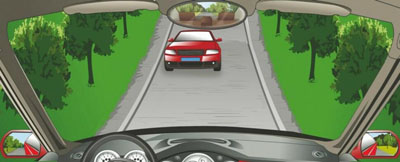
A. Right
B. Wrong
Answer:A
5. Whats the meaning of this sign?
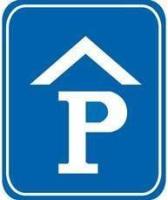
A. special car park
B. uncovered car park
C. indoor car park
D. internal car park
Answer:C
6. What is the max speed on this city road?
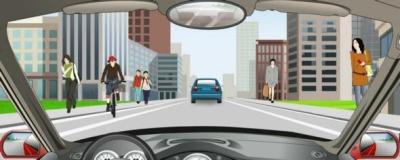
A. 40km/hr
B. 30km/hr
C. 50km/hr
D. 70km/hr
Answer:B
7. A front tire blowout is very dangerous. The vehicle will immediately turn to the side where the tire is blown out and have a direct impact on the drivers control of the steering wheel.
A. Right
B. Wrong
Answer:A
8. Whats the meaning of this sign?
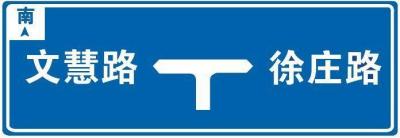
A. T-shaped intersection ahead
B. road branching point ahead
C. Y-shaped intersection ahead
D. intersection ahead
Answer:A
9. Whats the meaning of this sign?
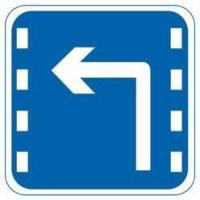
A. right-turn lane
B. U turn lane
C. left-turn lane
D. lanes for going in different directions
Answer:C
10. When encountering disabled people obstructing the traffic, the driver should voluntarily reduce speed and yield.
A. Right
B. Wrong
Answer:A
11. Whats the meaning of this sign?
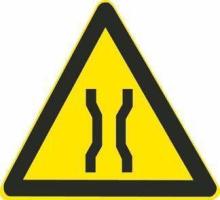
A. road narrows on the left side
B. narrow bridge
C. narrow road
D. road narrows on the right side
Answer:B
12. When a motorized vehicle returns to the original lane after overtaking, the driver should turn on the right-turn signal.
A. Right
B. Wrong
Answer:A
13. What is the max speed on the expressway when the visibility is lower than 200m?
A. less than 100km/hr
B. less than 90km/hr
C. less than 60km/hr
D. less than 80km/hr
Answer:C
14. What is the max speed on this expressway?
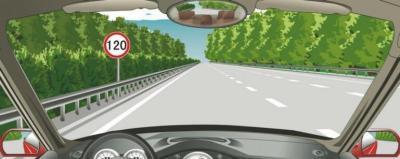
A. 60km/hr
B. 90km/hr
C. 90km/hr
D. 120km/hr
Answer:D
15. What will be subject to if submitting false materials to apply for driving license?
A. a 20~200 yuan fine
B. disqualification for applying for
C. cannot re-apply for within 1 year
D. cannot re-apply for within 2 years
Answer:C
16. No turning left in this situation.
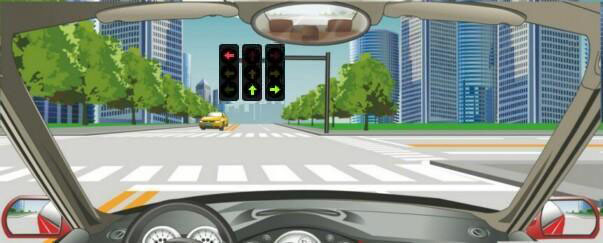
A. Right
B. Wrong
Answer:A
17. The yellow lane-dividing line on the road is used to _____
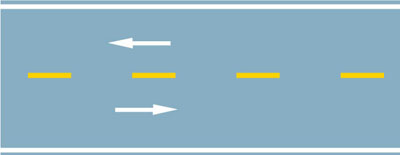
A. allow to drive in left lane
B. separate the traffic flow in opposite directions
C. separate the traffic flow in the same direction
D. prohibit to cross the opposite lane
Answer:B
18. Whats the meaning of this sign?
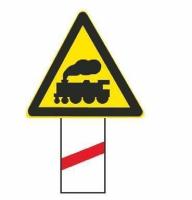
A. an unmanned level crossing 100m ahead
B. a manned level crossing 100m ahead
C. an unmanned level crossing 50m ahead
D. a manned level crossing 50m ahead
Answer:C
19. When a vehicle running at night encounters a curve ahead, its lighting ____.
A. Leave the road surface
B. Moves from the center of the road to the roadside
C. Does not change its distance
D. Become lower
Answer:B
20. When overtaking, the driver should ________ if the vehicle in front refuses to reduce speed or yield.
A. Follow closely and find chance to overtake again
B. Stop overtaking
C. Speed up and continue to overtake
D. Continuously honk and speed up to overtake
Answer:B
21. Whats the meaning of the white horizontal solid line in the circle?
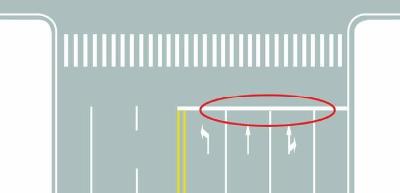
A. turning waiting line
B. deceleration line
C. yielding line
D. stop line
Answer:D
22. Pass the crossing as fast as possible if there is a red light at the intersection of a road or a level crossing.
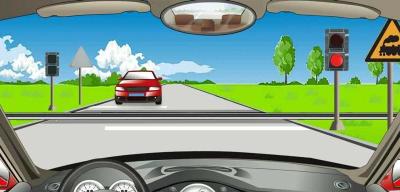
A. Right
B. Wrong
Answer:B
23. A driver can park the vehicle by borrowing the sidewalk if he cannot find the parking area.
A. Right
B. Wrong
Answer:B
24. In which situation the traffic police may detain the vehicle?
A. no vehicle registration papers
B. no insurance contract
C. no lable of environmental protection
D. no label of insurance
Answer:D
25. When the traffic conditions at an intersection are complicated, the driver should be patiently waiting instead of taking chance.
A. Right
B. Wrong
Answer:A


