
1. When encountering slow-moving vehicles at an intersection that has no traffic signals, the motorized vehicle should pass alternately.
A. Right
B. Wrong
Answer:A
2. What device does the switch of this symbol control?

A. the windscreen defrosting or defogging
B. the rear window wiper and washer
C. the windscreen wiper and washer
D. the rear window defrosting or defogging
Answer:C
3. If the driver finds there is no vehicle following, he can change lanes without turning on the turn signal.
A. Right
B. Wrong
Answer:B
4. The method of this small passenger vehicle to leave the expressway lane is correct.

A. Right
B. Wrong
Answer:A
5. When encountering a vehicle in the opposite direction forcing its way by using his lane, the driver should __________.
A. Force the other side to drive by the right side
B. Use the high beam light to warn the other side
C. Voluntarily yield to the other side
D. Go ahead by the center of the road
Answer:C
6. The main impact of the road conditions in icy and snowy weather is ______.
A. The electric equipment can easily get wet and cause short circuit
B. The visibility is lower and the field of vision is blurred
C. The resistance to the vehicle increases
D. Poor braking performance and Side pulling
Answer:D
7. Whats the meaning of this sign?
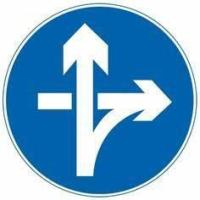
A. going straight and turning left
B. going straight and turning right
C. going straight and turning right at an interchange
D. going straight and turning left at an interchange
Answer:C
8. Driving this kind of vehicle on road is ____

A. rule-breaking act
B. violation of regulations
C. violation of law
D. criminal act
Answer:C
9. Whats the meaning of the yellow marking on the road?

A. gradual road width
B. more carriageways
C. closing to obstacle
D. construction section indication
Answer:A
10. You have the priviledged passing right of way at the intersection in this situation.

A. Right
B. Wrong
Answer:B
11. Whats the meaning of this sign?

A. embankment road
B. steep uphill road
C. continuous up slopes
D. steep downhill road
Answer:D
12. The police can detain the vehicle if one drives a vehicle without ______
A. driving license
B. ID card
C. pass paper
D. qualification certificate
Answer:A
13. Which kind of sign is it?

A. warning sign
B. directional sign
C. indicative sign
D. prohibitive sign
Answer:A
14. This set of the hand signals of the traffic police indicates that the vehicles should ____ .

A. turn right
B. change lane
C. reduce speed and pass slowly
D. pull over
Answer:C
15. Let the straight-going vehicle go first at this intersection.

A. Right
B. Wrong
Answer:A
16. Whats the meaning of this sign?

A. running by right side
B. no going straight
C. straight one-way road
D. yield if going to go straight
Answer:C
17. Whats the meaning of the double white solid lines in far front of the intersection?

A. stopping and yield line
B. slowdown and yield line
C. left-turn waiting line
D. waiting to run line
Answer:A
18. Whats the meaning of this sign?

A. change to right lane
B. branching point
C. road surface becomes wider
D. the number of lanes increases
Answer:D
19. Driving on the expressway with full signs and marking, the driver should run in the lane and at the speed according to _________.
A. Signs and markings
B. Rules on road traffic safety
C. Vehicle manual
D. Local regulations
Answer:A
20. In such road sections, you can enter the cross-hatched marking area to wait.

A. Right
B. Wrong
Answer:B
21. Whats the meaning of this sign?

A. customs inspection
B. stop-for-inspection
C. frontier inspection
D. no passing
Answer:B
22. When driving a vehicle on the road, the driver should drive safely at the prescribed speed.
A. Right
B. Wrong
Answer:A
23. When driving in a snowy day, the driver should drive along the vehicle tracks if there are any.
A. Right
B. Wrong
Answer:A
24. How far away should the warning sign be placed in the coming direction when this vehicle breaks down and stops temporarily on the expressway?

A. beyond 150m
B. 50~150m
C. within 50m
D. 50~100m
Answer:A
25. Whats the meaning of this sign?
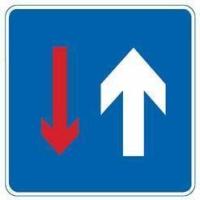
A. stop to yield
B. one-way road
C. going first when crossing each other
D. the opposite vehicle goes first when crossing each other
Answer:C


