
1. How to use lights when pulling over on road?
A. turn on the hazard lights
B. turn on the right-turn signal in advance
C. use the high and low beam lights alternately
D. not need to use any light to indicate
Answer:B
2. Whats the meaning of this sign?

A. no yielding
B. yield while crossing each other
C. reduce speed and yield
D. stop to yield
Answer:C
3. When a tire blows out suddenly on the road, the driver should refrain from violently depressing the brake pedal in panic. Instead, he should try his best to shift the gear to a low position and use the engine braking to reduce the speed of the vehicle.
A. Right
B. Wrong
Answer:A
4. May stop temporarily in the lane for non-motorized vehicles in this section.

A. Right
B. Wrong
Answer:B
5. A vehicle may stop on the ramp of an expressway.
A. Right
B. Wrong
Answer:B
6. A person whose driving license has been destroyed cannot drive a motorized vehicle.
A. Right
B. Wrong
Answer:A
7. Whats the meaning of this sign?

A. running by right side
B. no going straight
C. straight one-way road
D. yield if going to go straight
Answer:C
8. Driving a motorized vehicle on the highway which has no central line, the maximum speed can not exceed 70 kilometers per hour.
A. Right
B. Wrong
Answer:B
9. What is the max speed when passing this curve?

A. 40km/hr
B. 30km/hr
C. 50km/hr
D. 70km/hr
Answer:B
10. What is this traffic sign?

A. Road narrows on both sides
B. Road narrows on the right side
C. Road narrows on the left side
D. Bridge narrows
Answer:C
11. Whats the meaning of the yellow filled markings on the road?

A. closing to the obstacle
B. closing narrowed road
C. closing the moving obstacle
D. Marking of approaching a narrow road
Answer:A
12. The cycle for recording the accumulated penalty points for violating road traffic safety regulations is ____________.
A. 12 months
B. 24 months
C. 3 months
D. 6 months
Answer:A
13. When driving at night, the driver should go at a lower speed because his field of vision is limited and he can hardly observe the traffic conditions beyond the area covered by his vehicle light.
A. Right
B. Wrong
Answer:A
14. What is the max speed when down slope, turning around and U turn?
A. 50km/hr
B. 60km/hr
C. 30km/hr
D. 40km/hr
Answer:C
15. Whats the meaning of this sign?
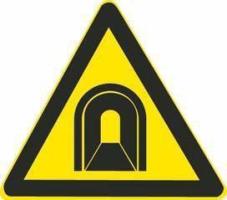
A. water channel
B. bridge
C. tunnel
D. Culvert
Answer:C
16. When encountering school children crossing the road in a queue, the driver should ______.
A. Speed up in advance and pass forcefully
B. Stop to yield
C. Reduce speed and go slowly
D. Continuously honk to urge them
Answer:B
17. After entering the acceleration lane of an expressway, the driver should increase the speed to more than _________ per hour.
A. 50
B. 60
C. 30
D. 40
Answer:B
18. When encountering stopping in turn or slow-moving vehicles in front at an intersection where lanes are reduced, the motorized vehicle should _________.
A. enter the intersection from road shoulder by the right side of the vehicle in front
B. enter the intersection from the side of interspace
C. pass alternately with one vehicle each lane to enter the intersection
D. change to left lane and cut in to enter the intersection
Answer:C
19. The light switch is in this position, front fog lights turn on

A. Right
B. Wrong
Answer:A
20. Whats the meaning of this sign?

A. expressway bus station ahead
B. expressway shelter ahead
C. expressway service area ahead
D. expressway toll station ahead
Answer:C
21. When causing a road accident involving property damage, the party should leave the scene on his own but he does not leave and causes a traffic jam, he may be subject to a fine of 200 yuan.
A. Right
B. Wrong
Answer:A
22. Driving a motorized vehicle in the city road which has no central line, the maximum speed can not exceed 50 kilometers per hour.
A. Right
B. Wrong
Answer:B
23. A vehicle is not allowed to reverse on the ramp of an expressway.
A. Right
B. Wrong
Answer:A
24. A front tire blowout is very dangerous. The vehicle will immediately turn to the side where the tire is blown out and have a direct impact on the drivers control of the steering wheel.
A. Right
B. Wrong
Answer:A
25. How often should a driver who is more than 60 years old present the certificate of physical conditions?
A. every 3 years
B. every 2 years
C. every 6 months
D. every 1 year
Answer:D


