
1. How to pass when encountering this situation at the intersection?

A. make sure it is safe to pass
B. turn right and speed up to pass
C. speed up and pass straight
D. turn left and speed up to pass
Answer:A
2. If a motorized vehicle breaks down or causes a traffic accident on the expressway and cannot to run normally, the vehicle should be towed by ______.
A. a vehicle passing by
B. a large bus
C. a vehicle traveling together
D. a tow truck
Answer:D
3. Whats the meaning of this sign?

A. no left turn
B. dead-end road
C. no passing
D. bypass if overheight
Answer:D
4. Move the turn signal switch upward, the left-turn signal lights.

A. Right
B. Wrong
Answer:B
5. No turning right at the intersection ahead.

A. Right
B. Wrong
Answer:B
6. If the accumulated penalty points of a motorized vehicle driver reach 12 points and the driver refuses to participate in the study course and also refuses to take tests, it should be publicly announced that his driving license should no longer be used.
A. Right
B. Wrong
Answer:A
7. How to pass the intersection when running straight

A. turn on the hazard lights and pass
B. directly speed up and pass straight
C. yield to the vehicle from the right road
D. yield to the vehicle from the left road
Answer:C
8. When reaching an intersection, the driver should _____ if a turning vehicle cuts in.
A. Stop to evade
B. Maintain the normal speed
C. Speed up and pass ahead of it
D. Honk and pass ahead of it
Answer:A
9. Whats the meaning of this sign?

A. no changing lane
B. no left turn
C. no going straight
D. no U turn
Answer:D
10. Whats the meaning of this sign?

A. no yielding
B. yield while crossing each other
C. reduce speed and yield
D. stop to yield
Answer:C
11. Max speed when pass the narrow road or bridge is _______
A. 50km/hr
B. 40km/hr
C. 30km/hr
D. 60km/hr
Answer:C
12. Within the validity of the Admission Form, the times of test reservation for Driving Skills of subject 2 and subject 3 can not exceed ______
A. 3 times
B. 4 times
C. 5 times
D. 6 times
Answer:C
13. When a motorized vehicle causes a minor traffic accident and obstructs traffic flow, it does not need to move.
A. Right
B. Wrong
Answer:B
14. If a front tire blowout has caused a turn in direction, the driver should not avoid excess adjustment. Instead, he should control the direction of the vehicle, ____, and slowly reduce the speed of the vehicle.
A. Apply emergency braking
B. Use the handbrake
C. Gently depress the brake pedal
D. Swiftly depress the brake pedal
Answer:C
15. In which section cannot overtake?
A. mountain road
B. urban elevated road
C. urban expressway
D. narrow bridge and curve
Answer:D
16. The validity of the driving license is divided into 6-year, 10-year and 20-year.
A. Right
B. Wrong
Answer:B
17. This sign indicates landslide section ahead and bypassing.

A. Right
B. Wrong
Answer:B
18. This sign warns the driver there is a crosswalk ahead.

A. Right
B. Wrong
Answer:B
19. When a motorized vehicle breaks down at night, and is difficult to move, the driver should turn on the hazard lights, the contour lights and the tail lights.
A. Right
B. Wrong
Answer:A
20. Driving motor vehicle with ABS system may occur side skidding when applying emergency braking.
A. Right
B. Wrong
Answer:A
21. ABS system can keep the steering capability of the front wheels while providing maximum braking force when the vehicle conduct an emergency braking.
A. Right
B. Wrong
Answer:A
22. Which part does it control when pulling this switch?

A. turn signals
B. reverse light
C. contour light
D. hazard light
Answer:A
23. Continue to go through if having passed the stop line when encountering this traffic light at the intersection.

A. Right
B. Wrong
Answer:A
24. Opening the doors of a motorized vehicle should not obstruct the flow of other vehicles and pedestrians.
A. Right
B. Wrong
Answer:A
25. Whitch kind of vehicle is prohibited from passing by this sign?
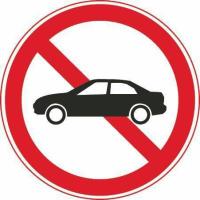
A. all kinds
B. small bus
C. midsize bus
D. small truck
Answer:B


