
1. These signs warn the driver danger ahead and passing with care.
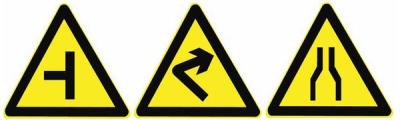
A. Right
B. Wrong
Answer:A
2. What is the max speed when passing a level crossing?
A. 15km/hr
B. 20km/hr
C. 30km/hr
D. 40km/hr
Answer:C
3. Whats the meaning of this sign?
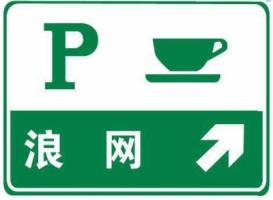
A. expressway parking area ahead
B. expressway shelter ahead
C. expressway car park ahead
D. expressway service area ahead
Answer:A
4. Whats the meaning of this sign?
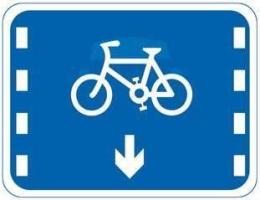
A. no entry for bicycles
B. lane for non-motorized vehicles
C. special lane for bicycles
D. bicycle stopping area
Answer:B
5. You can drive directly into the expressway from this position.
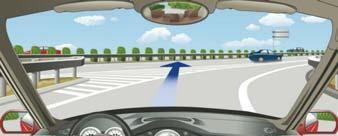
A. Right
B. Wrong
Answer:B
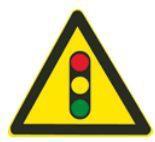
6. This sign warns the driver there have traffic lights ahead.
A. Right
B. Wrong
Answer:A
7. When a vehicle changes lane, the driver only needs to turn on the turn signal before rapidly entering the new lane.
A. Right
B. Wrong
Answer:B
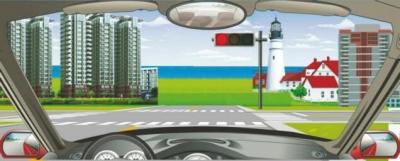
8. At this position, you may speed up to pass through the section.
A. Right
B. Wrong
Answer:B
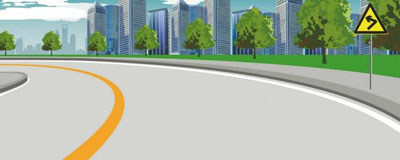
9. A motorized vehicle is not allowed to stop in the section within
A. 5m
B. 10m
C. 50m
D. 30m
Answer:C
10. When driving a motor vehicle after drinking, a prison term of more than 3 years will be imposed.
A. Right
B. Wrong
Answer:B
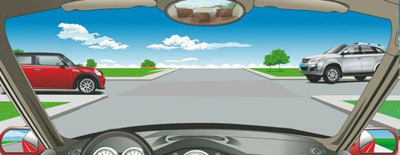
11. How to pass the intersection when running straight
A. turn on the hazard lights and pass
B. directly speed up and pass straight
C. yield to the vehicle from the right road
D. yield to the vehicle from the left road
Answer:C
12. Which illegal conduct is subject to a 12-point penalty
A. violate traffic lights
B. use falsified license plate
C. call or answer the mobile phone
D. violate prohibitive signs
Answer:B
13. How to turn left at this intersection?
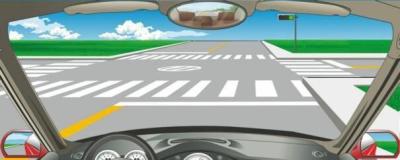
A. along the right side of the center point in the intersection
B. along the left side of the center point in the intersection
C. cover the center point in the intersection
D. can not turn left
Answer:B
14. Whats the meaning of this sign?

A. running by right side
B. no going straight
C. straight one-way road
D. yield if going to go straight
Answer:C
15. The age limit of applying for small vehicle is ________ .
A. 18~60 years old
B. 18~70 years old
C. 24~70 years old
D. 21~50 years old
Answer:B
16. This sign indicates intersection ahead.
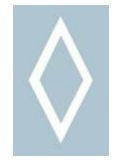
A. Right
B. Wrong
Answer:B
17. What is the time limit of deferred license checking due to military service, abroad and other reasons?
A. 3 years
B. 5 years
C. 1 years
D. 2 years
Answer:A
18. Whats the meaning of this sign?
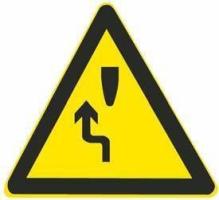
A. watch for danger
B. bypass from right side
C. bypass from left side
D. one-way pass
Answer:C
19. It lights when turning on the width light.

A. Right
B. Wrong
Answer:A
20. If the vehicle license of a motorized vehicle are lost, the vehicle owner should apply to the vehicle management station at the registration place for reissuing.
A. Right
B. Wrong
Answer:A
21. If a vehicle enters a left lane for overtaking but is unable to ensure a safe horizontal distance with the normally-running vehicle in front, the driver should ________.
A. Speed up and overtake
B. Overtake after running a distance in parallel
C. Give up overtaking
D. Overtake with care
Answer:C
22. What kind of behavior of this driver violates the law?
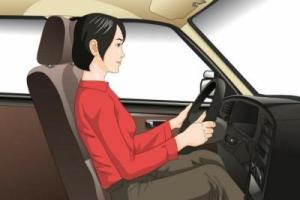
A. not hold the steering wheel according to regulation
B. angle of the seat is not correct
C. not buckled up
D. the driving posture is incorrect
Answer:C
23. Which kind of sign is it?
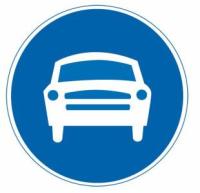
A. warning sign
B. prohibitive sign
C. indicative sign
D. directional sign
Answer:C
24. The police can detain the vehicle if one drives a vehicle without ______
A. driving license
B. ID card
C. pass paper
D. qualification certificate
Answer:A
25. The braking system may malfunction if it lights.

A. Right
B. Wrong
Answer:A


