
1. When encountering an overflowing bridge, the driver should look at the situation, and passes through slowly before he makes sure that it is safe to do so.
A. Right
B. Wrong
Answer:A
2. Whats the meaning of this sign?
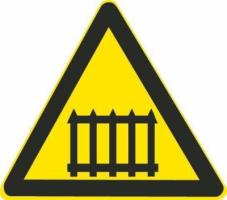
A. a manned level crossing
B. multi-crossing of railway and road
C. grade separation level crossing
D. an unmanned level crossing
Answer:A
3. Whats the meaning of this sign?
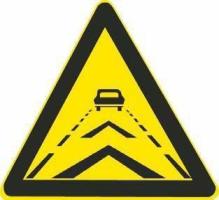
A. section narrows on both sides
B. section for speed test
C. section for ascertaining the distance between the vehicles
D. pay attentions to keeping distance
Answer:D
4. At this position, you may speed up to pass through the section.
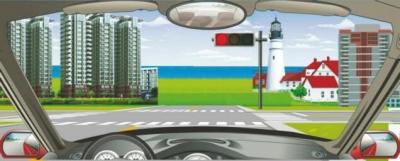
A. Right
B. Wrong
Answer:B
5. The validity of the driving license which is initially applied for is ______
A. 3 years
B. 5 years
C. 6 years
D. 12 years
Answer:C
6. A driver should stop on the expressway at once to have a rest when he feel tired.
A. Right
B. Wrong
Answer:B
7. The act of this small passenger vehicle to enter the expressway lane is correct.
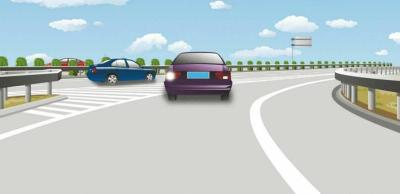
A. Right
B. Wrong
Answer:B
8. May stop temporarily in the lane for non-motorized vehicles in this section.
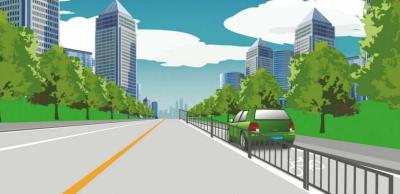
A. Right
B. Wrong
Answer:B
9. Whats the role of indicative sign?
A. tell the direction information
B. warn danger ahead
C. restrict the vehicles and pedestrians from passing
D. indicate the vehicles and pedestrians to go ahead
Answer:D
10. If a motorized vehicle causes a traffic accident on the expressway and cannot to run normally, the vehicle should be towed by a rescue vehicle or a tow truck.
A. Right
B. Wrong
Answer:A
11. Whats the meaning of this sign?
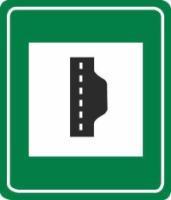
A. expressway emergency strip
B. expressway yielding area
C. expressway bus station
D. expressway parking area
Answer:A
12. It is illegal for a driver to use a cell phone while driving.
A. Right
B. Wrong
Answer:A
13. Traffic Police can detain the vehicle according to law if it uses other vehicles license plate and vehicle license.
A. Right
B. Wrong
Answer:A
14. How to run when encountering this situation?
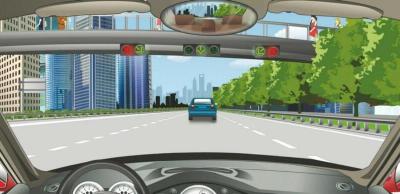
A. speed up to enter the lane of either side
B. enter the right lane
C. reduce speed and enter the lane of either side
D. can not run in the lane of neither side
Answer:D
15. Whats the meaning of this sign?
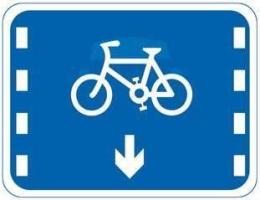
A. no entry for bicycles
B. lane for non-motorized vehicles
C. special lane for bicycles
D. bicycle stopping area
Answer:B
16. The vehicle is allowed to _______ at this intersection.
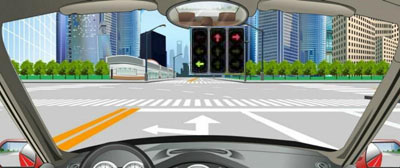
A. go straight or turn right
B. turn right
C. turn left
D. go straight
Answer:C
17. These signs warn the driver danger ahead and passing with care.
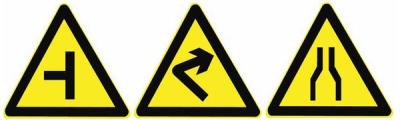
A. Right
B. Wrong
Answer:A
18. This sign reminds dangerous hillside road ahead.
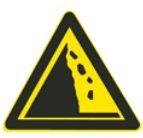
A. Right
B. Wrong
Answer:B
19. When the green arrow for a lane is on and there are still pedestrians in the crosswalk before the vehicle, the driver should ___________.
A. Directly start up and pass
B. Start up and bypass the pedestrians from behind
C. Start up and bypass before the pedestrians
D. Start up after the pedestrians have passed
Answer:D
20. If discovering pedestrians abruptly cross the road while driving, the driver should immediately reduce speed and evade.
A. Right
B. Wrong
Answer:A
21. This sign reminds embankment road ahead.
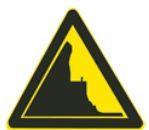
A. Right
B. Wrong
Answer:B
22. Whats the meaning of this sign?
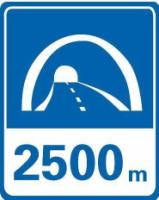
A. the distance from the tunnel exit
B. the distance from the tunnel entry
C. the distance of following the vehicle in front in the tunnel
D. the whole length of the tunnel
Answer:A
23. A motorized vehicle is not allowed to make a U turn at the level crossing, bridge, steep slope, tunnel or dangerous road section.
A. Right
B. Wrong
Answer:A
24. When the driver discovers a tire is leaking and steers the vehicle off the main carriageway, he should refrain from applying emergency so as to avoid a vehicle turnover or a rear-end collision arising from the late braking of the following vehicle.
A. Right
B. Wrong
Answer:A
25. This set of the hand signals of the traffic police indicates that the vehicles should ____ .
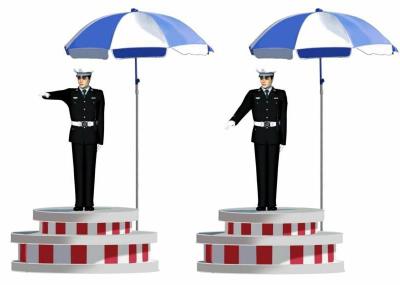
A. turn right
B. change lane
C. reduce speed and pass slowly
D. pull over
Answer:C


