
1. When running on the road having maximum speed limit signs, the motorized vehicle is not allowed to exceed the marked maximum speed.
A. Right
B. Wrong
Answer:A
2. It lights to indicate that ______

A. the tail fog light is turned on
B. the low beam light is turned on
C. the high beam light is turned on
D. the head fog light is turned on
Answer:A
3. How to do first when encountering such kind of bridge?
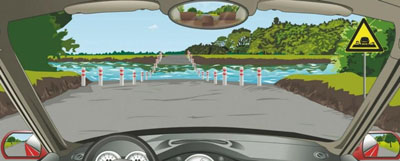
A. maintain the speed and pass
B. speed up and pass as soon as possible
C. stop and observe
D. pass slowly
Answer:C
4. Move the switch up and down, the windscreen wipers start working.
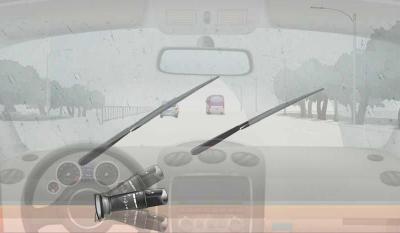
A. Right
B. Wrong
Answer:A
5. When a driver suddenly encounters a vehicle in the opposite direction that forces its way by overtaking and occupying his lane, the driver may refuse to avoid it and force it to yieldto you.
A. Right
B. Wrong
Answer:B
6. It lights to indicate that ______
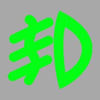
A. the tail fog light is turned on
B. the low beam light is turned on
C. the high beam light is turned on
D. the head fog light is turned on
Answer:D
7. When there is a diversion traffic control on the expressway, a driver can stop by the side to wait instead of leaving out of the expressway, for continually running after the traffic control.
A. Right
B. Wrong
Answer:B
8. It lights to indicate that ______
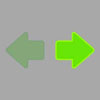
A. front and rear width lights light on
B. front and rear width lights light on
C. left-turn signal flashes
D. right-turn signal flashes
Answer:D
9. Whats the meaning of this sign?
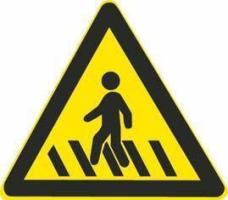
A. watch for pedestrians
B. watch for children
C. school area
D. crosswalk
Answer:A
10. If a vehicle may encounter a vehicle coming in the opposite direction in the course of overtaking, the driver should speed up in advance and overtake.
A. Right
B. Wrong
Answer:B
11. When driving at night on a road with no or poor lighting, the driver should switch from the low beam light to the high beam light. But the vehicle following in the same direction is not allowed to use the high beam light.
A. Right
B. Wrong
Answer:A
12. When a vehicle reaches a sharp curve, the driver should _______.
A. Brake suddenly and go slowly
B. Drive along the outer side of the curve
C. Fully reduce speed and drive on the right side
D. Go forward by borrowing the opposite lane
Answer:C
13. Driving a motorized vehicle on the road should be required to be with a license plate.
A. Right
B. Wrong
Answer:A
14. Displays the current speed is 20 km / h

A. Right
B. Wrong
Answer:B
15. Max speed when pass the narrow road or bridge is _______
A. 50km/hr
B. 40km/hr
C. 30km/hr
D. 60km/hr
Answer:C
16. What marking is it?
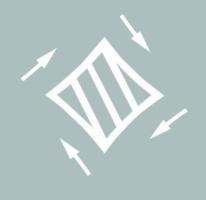
A. A cross-hatched marking
B. prohibitive area
C. guide line
D. central circle
Answer:D
17. What is the max speed when in or out of the lane for non-motorized vehicles?
A. 40km/hr
B. 50km/hr
C. 60km/hr
D. 30km/hr
Answer:D
18. What pedal is it?
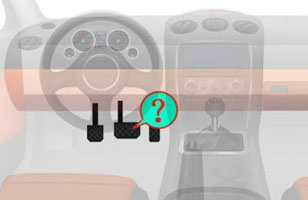
A. clutch pedal
B. accelerator pedal
C. brake pedal
D. handbrake
Answer:C
19. This set of the hand signals of the traffic police indicates that the vehicles should ___ .
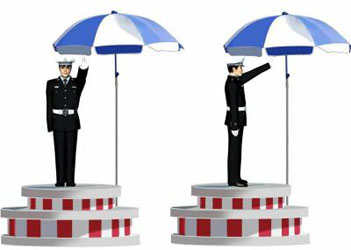
A. turn right
B. pull over
C. turn left
D. stop
Answer:D
20. Which part of the driver can be protected by the safety pillow when there is a rear-end collision?
A. waist
B. chest
C. head
D. neck
Answer:D
21. When encountering stopping and waiting in turn or slow-moving vehicles in front, the motorized vehicle may _________.
A. borrow road to overtake
B. occupy the opposite lane
C. follow the vehicles in front
D. cut in the waiting vehicles
Answer:C
22. Whats the meaning of this sign?
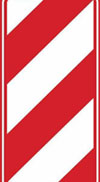
A. Passing on both sides
B. Passing by the right side
C. Passing by the left side
D. Passing is prohibited
Answer:C
23. When encountering disabled people obstructing the traffic, the driver should voluntarily reduce speed and yield.
A. Right
B. Wrong
Answer:A
24. Which is subject to a 6-point penalty?
A. violate the traffic lights
B. drive school bus without qualification
C. drive the vehicle which permission is different
D. drive after drink
Answer:A
25. If a motorized vehicle runs 50% faster than the specified speed limit, the driver is subject to a 3-point penalty.
A. Right
B. Wrong
Answer:B


