
1. In the course of reversing, the driver should move slowly, observe the conditions on both sides and in the rear and be ready to stop anytime.
A. Right
B. Wrong
Answer:A
2. When a motorized vehicle crosses a non-motorized vehicle on a narrow road or a narrow bridge at night, the motorized vehicle should use the high beam light.
A. Right
B. Wrong
Answer:B
3. Whats the meaning of this sign?
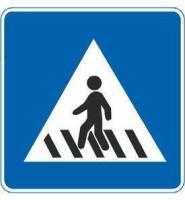
A. crosswalk
B. students passage
C. watch for pedestrians
D. childrens passage
Answer:A
4. A motorized vehicle runs on the road without a label of insurance, the traffic police can detain the vehicle license according to law.
A. Right
B. Wrong
Answer:B
5. When a vehicle passes a level crossing, it is prohibited from overtaking.
A. Right
B. Wrong
Answer:A
6. Which behavior a person had in 3 years is not allowed to apply for a motorized vehicle driving license?
A. insulin injections
B. drunken experience
C. smoking addiction
D. drug injections
Answer:D
7. When driving in icy and snowy weather, light reflection from the accumulated snow can easily make a driver feel dizzy and have an illusion.
A. Right
B. Wrong
Answer:A
8. Using the high and low beam lights alternately while driving on the road of this kind of sharp curve.
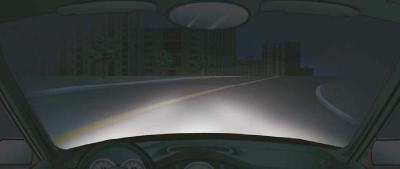
A. Right
B. Wrong
Answer:A
9. May not drive if _____
A. the window is not closed
B. the door is not closed
C. the audio device is not closed
D. the roof window is not closed
Answer:B
10. The subject 3 test is divided into two parts including Driving Skills, Common Knowledge on Safe and Courteous Driving.
A. Right
B. Wrong
Answer:A
11. When a vehicle runs on a narrow mountain road, the driver should ______ if the party close to the mountain mass refuses to yield.
A. Honk to urge the other party to yield
B. Maintain the normal speed
C. Reduce speed or stop to yield
D. Use the left lane and pass with care
Answer:C
12. How the front vehicle to run in this situation?
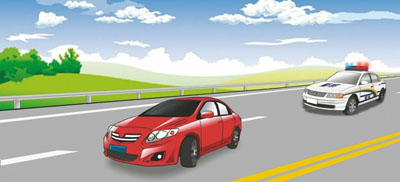
A. run as normal
B. yield
C. turn on the hazard lights
D. should not change lane
Answer:B
13. Whats the meaning of this sign?
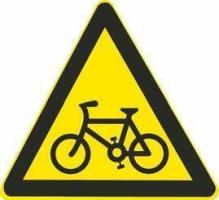
A. the lane for non-motorized vehicles
B. yield non-motorized vehicles
C. no passing for non-motorized vehicles
D. watch for non-motorized vehicles
Answer:D
14. When a vehicle reaches a sharp curve, the driver should _______.
A. Brake suddenly and go slowly
B. Drive along the outer side of the curve
C. Fully reduce speed and drive on the right side
D. Go forward by borrowing the opposite lane
Answer:C
15. May turn right in this situation.
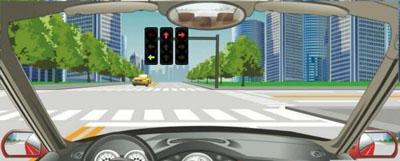
A. Right
B. Wrong
Answer:B
16. What is the Minimum speed on this expressway?
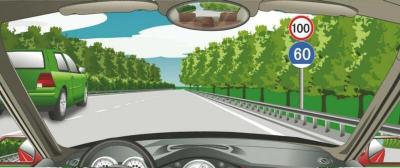
A. 100km/hr
B. 80km/hr
C. 60km/hr
D. 50km/hr
Answer:C
17. Pull down the switch of the turn signal, right-turn signal is on.
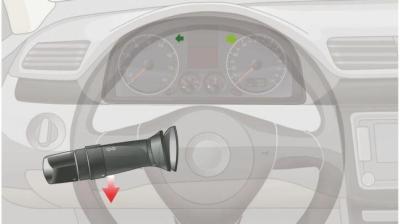
A. Right
B. Wrong
Answer:B
18. Whats the meaning of this sign?
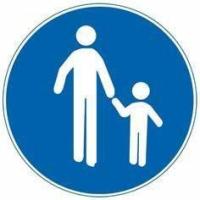
A. pass with low speed
B. watch for pedestrians
C. on foot
D. pedestrians go first
Answer:C
19. Opening the doors of a motorized vehicle should not obstruct the flow of other vehicles and pedestrians.
A. Right
B. Wrong
Answer:A
20. How to use lights in this weather condition?
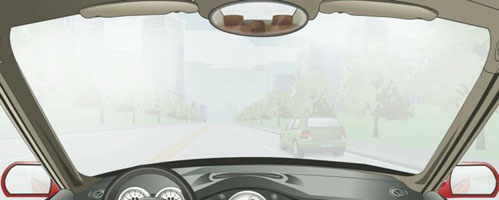
A. use high beam lights
B. use fog lights
C. not use any light
D. turn on the right-turn signal
Answer:B
21. Whats the meaning of this sign?
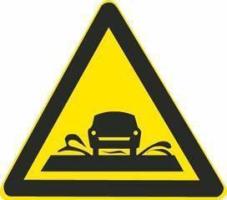
A. muddy road
B. low-lying road
C. overflowing road
D. ferry
Answer:C
22. It is a bad habit for a driver to put his left arm on the window of the vehicle or hold the gear lever in his right hand for a long time.
A. Right
B. Wrong
Answer:A
23. When a vehicle overtakes the bike riders going in the same direction, the rational way to deal with is to ________.
A. Continuously honk to remind them to yield
B. Continuously honk and speed up to overtake
C. Yield to the bike riders
D. Observe them, reduce speed and go slowly, while keeping a sufficient safe distance.
Answer:D
24. It lights to indicate that ______
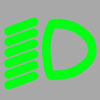
A. the tail fog light is turned on
B. the low beam light is turned on
C. the high beam light is turned on
D. the head fog light is turned on
Answer:B
25. When a motorized vehicle encounters the cut in by another vehicle in a roundabout, the driver may not evade as long as he has the right of way.
A. Right
B. Wrong
Answer:B


