
1. When passing an intersection without traffic lights, the driver should go through as fast as possible.
A. Right
B. Wrong
Answer:B
2. When encountering an overflowing bridge, the driver should look at the situation, and passes through slowly before he makes sure that it is safe to do so.
A. Right
B. Wrong
Answer:A
3. What device does the switch of this symbol control?

A. window glasses of both sides
B. electric door
C. door unlock
D. child safety lock
Answer:C
4. How to go straight when encountering this traffic light at the intersection?
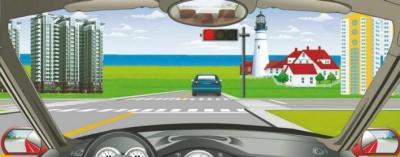
A. enter the intersection to wait
B. turn left
C. speed up and pass straight
D. can not exceed the stop line
Answer:D
5. The traffic lights allow the vehicle to ______

A. turn right
B. stop and wait
C. turn left
D. go straight
Answer:A
6. How to run when seeing this traffic light at level crossing?
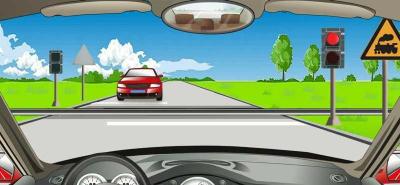
A. pass before the train comes
B. no exceeding the stop line
C. observe and pass slowly
D. speed up and pass without changing gear
Answer:B
7. When ignition switch is in the START position, the starter starts.

A. Right
B. Wrong
Answer:A
8. If one drives an illegally assembled motorized vehicle, he should not only pay the fine, but also ________ .
A. be temporarily detained the driving license
B. be revoked the driving license
C. be held for criminal liabilities
D. be detained for less than 10 days
Answer:B
9. When bicycles ahead obstruct the traffic flow, the driver may honk to remind them,speed up and bypass.
A. Right
B. Wrong
Answer:B
10. Whats the meaning of this sign?

A. the distance from the tunnel exit
B. the distance from the tunnel entry
C. the distance of following the vehicle in front in the tunnel
D. the whole length of the tunnel
Answer:A
11. How to do first when encountering such kind of bridge?

A. maintain the speed and pass
B. speed up and pass as soon as possible
C. stop and observe
D. pass slowly
Answer:C
12. How far should be the distance from the vehicle in front at the speed of more than 100 km/hr when driving a small passenger vehicle on the expressway?
A. more than 50 meters
B. more than 60 meters
C. more than 100 meters
D. more than 80 meters
Answer:C
13. A motorized vehicle driver who uses falsified and altered license plate is subject to a ________.
A. 2-point penalty
B. 3-point penalty
C. 12-point penalty
D. 6-point penalty
Answer:C
14. What kind of marking are the double yellow solid lines in the middle of the road?

A. auxiliary marking
B. warning sign
C. prohibitive marking
D. indicative marking
Answer:C
15. The motorized vehicle driver who lives outside the jurisdiction of the issuing vehicle management station may apply to the vehicle management station at the place where he is living, for license change.
A. Right
B. Wrong
Answer:A
16. After starting the engine, it lights to indicate that ______

A. engine main oil way blockage
B. engine oil pressure is too low
C. engine crankshaft box leaks
D. engine oil pressure is too high
Answer:B
17. Traffic Police can detain the vehicle according to law if the driver does not carry the IDcard.
A. Right
B. Wrong
Answer:B
18. This traffic light means ______

A. intersection warning
B. no passing
C. draw attention
D. allow to pass
Answer:D
19. The passenger in the front seat does not need to buckle up when a motorized vehicle runs.
A. Right
B. Wrong
Answer:B
20. Whats the meaning of the double white broken lines in far front of the intersection?

A. waiting to run line
B. stopping and yield line
C. slowdown and yield line
D. left-turn waiting line
Answer:C
21. Whats the meaning of this sign?
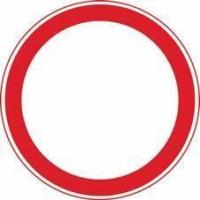
A. No passing
B. driving at reduced speed
C. time limit for entering
D. no entering
Answer:A
22. This sign warns slippery road ahead and running slowly with care.

A. Right
B. Wrong
Answer:B
23. What is the max speed when passing a level crossing?
A. 15km/hr
B. 20km/hr
C. 30km/hr
D. 40km/hr
Answer:C
24. This set of the hand signals of the traffic police indicates that the vehicles should ____ .

A. turn right
B. change lane
C. reduce speed and pass slowly
D. pull over
Answer:C
25. When driving in icy and snowy weather, ________.
A. The braking distance becomes longer
B. The resistance to slide becomes larger
C. The braking performance does not change
D. The road grip becomes stronger
Answer:A


