
1. When a driver suddenly encounters a vehicle in the opposite direction that forces its way by overtaking and occupying his lane, the driver may refuse to avoid it and force it to yieldto you.
A. Right
B. Wrong
Answer:B
2. Whats the meaning of this sign?
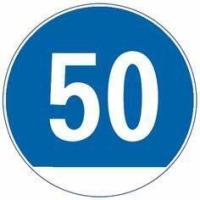
A. minimum speed limit is 50km/hr
B. maximum speed limit is 50km/hr
C. the height is 50m
D. the altitude is 50m
Answer:A
3. In which situation that a driver cannot drive?
A. after drinking coffee
B. after drinking milk
C. after drinking
D. after drinking tea
Answer:C
4. Whats the meaning of this sign?

A. embankment road
B. steep uphill road
C. continuous up slopes
D. steep downhill road
Answer:D
5. When a vehicle goes downhill on a mountain road, it is not allowed to overtake.
A. Right
B. Wrong
Answer:A
6. Whats the meaning of this sign?
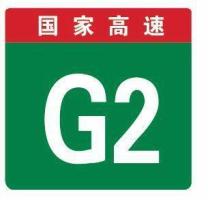
A. expressway mileage No.
B. expressway border plate No.
C. expressway name No.
D. expressway section No.
Answer:C
7. Whats the meaning of this sign?

A. no borrowing lane
B. no changing lane
C. no overtaking
D. no U turn
Answer:C
8. The oil pressure of engine may be too high if it lights.

A. Right
B. Wrong
Answer:B
9. What kind of marking are the double yellow solid lines in the middle of the road?

A. auxiliary marking
B. warning sign
C. prohibitive marking
D. indicative marking
Answer:C
10. What marking is the triagle filled area in the circle?

A. stop line
B. deceleration line
C. guide line
D. cross-hatched marking
Answer:C
11. The main impact of rainy weather on safe driving is _______.
A. The road is wet and slippery and the visibility is poor
B. The engine is prone to stop
C. The resistance to the vehicle increases
D. The electric equipment is prone to getting wet and causing short circuit
Answer:A
12. Before a vehicle enters a curve of a mountain road, the driver ______ if there is no vehicle coming in the opposite direction.
A. Should reduce speed, honk and drive on the right side
B. Should drive along the outer side of the curve
C. May briefly borrow the opposite lane
D. May speed up and pass along the tangent line of the curve
Answer:A
13. If a motorized vehicle driver has caused a major accident in violation of the traffic regulations which has caused human death, the driver is subject to a prison term of more than 3 years.
A. Right
B. Wrong
Answer:B
14. Whats the meaning of this sign?

A. straight-going and left-turn lane
B. straight-going and side road exit lane
C. lane for both going straight and right turn
D. lanes for going in different directions
Answer:C
15. Whats the meaning of this sign?

A. intersection ahead
B. interchange ahead
C. Y-shaped intersection ahead
D. ring intersection ahead
Answer:D
16. How to pass this intersection?

A. keep the speed and go through
B. honk to urge
C. reduce speed and go through slowly
D. speed up and go through
Answer:C
17. One who runs away after causing a traffic accident and constitute a crime can not apply for motorized vehicle driving license.
A. Right
B. Wrong
Answer:A
18. This motorized vehicle parked on the roadside has no illegal act.

A. Right
B. Wrong
Answer:B
19. Whats the meaning of this sign?
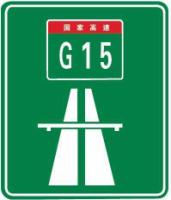
A. expressway exit
B. expressway beginning
C. expressway entry
D. expressway ending
Answer:B
20. Whats the meaning of the marking in the red circle?

A. temporary stopping
B. bay-stopping
C. emergency stopping
D. public bus station
Answer:B
21. When encountering disabled people obstructing the traffic, the driver should voluntarily reduce speed and yield.
A. Right
B. Wrong
Answer:A
22. How to do when the vehicle breaks down on road and needs to stop to solve the problem?
A. stop in the middle of the road
B. stop the vehicle where will not interfere the traffic
C. turn on the low beam lights or fog lights
D. stop on the spot to solve the problem
Answer:B
23. Whats the meaning of this sign?

A. provincial highway No.
B. national highway No.
C. county road No.
D. township road No.
Answer:C
24. How often should a driver who is more than 60 years old present the certificate of physical conditions?
A. every 3 years
B. every 2 years
C. every 6 months
D. every 1 year
Answer:D
25. What should the driver do when encountering a vehicle from the opposite direction on a road without a central line?
A. driving closely by the roadside
B. driving by the central of the road
C. reducing speed and driving by right side
D. run by using the lane for non-motorized vehicles
Answer:C


