
1. The validity of the driving license which is initially applied for is 6 years.
A. Right
B. Wrong
Answer:A
2. Whats the meaning of this sign?
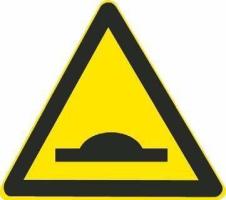
A. bump road
B. high outburst road
C. low-lying road
D. hump bridge
Answer:B
3. If a motorized vehicle has reached the states mandatory write-off standard, its registration will not be handled.
A. Right
B. Wrong
Answer:A
4. When driving a motor vehicle after drinking, a prison term of more than 3 years will be imposed.
A. Right
B. Wrong
Answer:B
5. Whats the meaning of this sign?
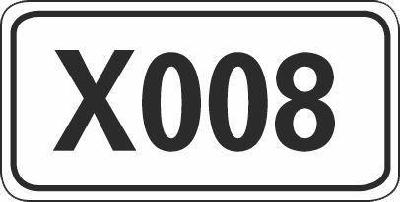
A. provincial highway No.
B. national highway No.
C. county road No.
D. township road No.
Answer:C
6. Before a vehicle enters a curve of a mountain road, the driver ______ if there is no vehicle coming in the opposite direction.
A. Should reduce speed, honk and drive on the right side
B. Should drive along the outer side of the curve
C. May briefly borrow the opposite lane
D. May speed up and pass along the tangent line of the curve
Answer:A
7. Reducing the speed when driving in sand, hail, rain, fog, ice and other weather conditions.
A. Right
B. Wrong
Answer:A
8. When driving at night, the drivers observation ability is visibly poorer and his visibility range becomes shorter than driving in the daytime.
A. Right
B. Wrong
Answer:A
9. Whats the meaning of this sign?
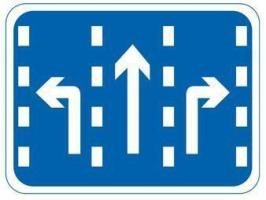
A. left-turn lane
B. straight-going lane
C. right-turn lane
D. lanes for going in different directions
Answer:D
10. It lights to indicate that the handbrake may not loose in the end.

A. Right
B. Wrong
Answer:B
11. How to do in this situation?
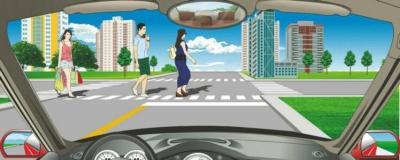
A. stop and yield to the pedestrians
B. bypass from the front of the pedestrians
C. honk to remind the pedestrians
D. bypass from the rear of the pedestrians
Answer:A
12. How to pass when encountering this situation at the intersection?
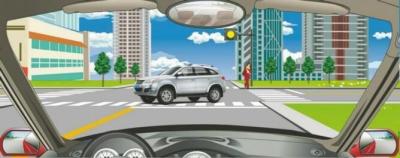
A. make sure it is safe to pass
B. turn right and speed up to pass
C. speed up and pass straight
D. turn left and speed up to pass
Answer:A
13. Whats the meaning of this sign?
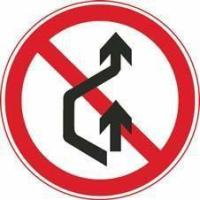
A. no borrowing lane
B. no changing lane
C. no overtaking
D. no U turn
Answer:C
14. Driving a small passenger vehicle on the expressway, the minimum speed should not be less than 90 kilometers per hour.
A. Right
B. Wrong
Answer:B
15. Before entering a level crossing, the vehicle should reduce speed and change to a lower gear, and _____ after entering the level crossing.
A. Cannot change gear
B. Can change gear
C. Can change to a higher gear
D. Stop and look
Answer:A
16. If the accumulated penalty points of a motorized vehicle driver reach 12 points and the driver refuses to participate in the study course and also refuses to take tests, it should be publicly announced that his driving license should no longer be used.
A. Right
B. Wrong
Answer:A
17. Does not affect normal driving when it lights

A. Right
B. Wrong
Answer:B
18. The vehicle is allowed to _______ at this intersection.
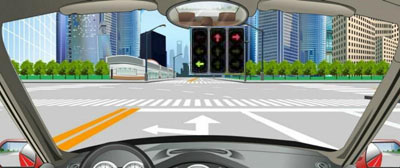
A. go straight or turn right
B. turn right
C. turn left
D. go straight
Answer:C
19. This set of the hand signals of the traffic police indicates that the vehicles should ___ .
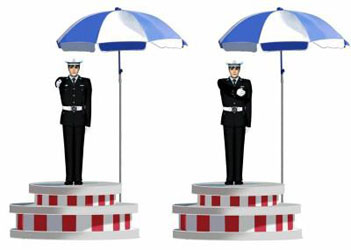
A. turn right
B. reduce speed and pass slowly
C. pull over
D. change lane
Answer:D
20. What should the driver do when encountering a vehicle from the opposite direction on a road without a central line?
A. driving closely by the roadside
B. driving by the central of the road
C. reducing speed and driving by right side
D. run by using the lane for non-motorized vehicles
Answer:C
21. When following a vehicle, the following vehicle may use the high beam light.
A. Right
B. Wrong
Answer:B
22. How to go straight when encountering this traffic light at the intersection?
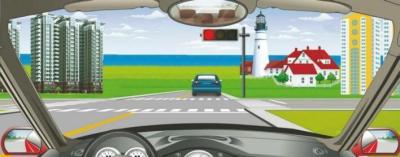
A. enter the intersection to wait
B. turn left
C. speed up and pass straight
D. can not exceed the stop line
Answer:D
23. Whats the meaning of this sign?
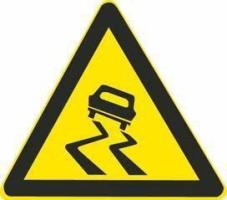
A. slippery section
B. sharp curve
C. test driving section
D. curve section
Answer:A
24. Whats the meaning of this sign?
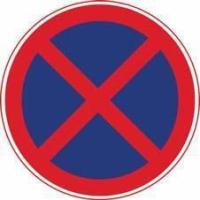
A. stopping temporarily is allowed
B. long stopping is allowed
C. no long stopping
D. no stopping
Answer:D
25. Traffic Police only imposes a fine if a vehicle is suspected of using the falsified or altered label of inspection.
A. Right
B. Wrong
Answer:B


