
1. When a vehicle starts up, the driver should observe the traffic conditions and begin to start up after making sure it is safe to do so.
A. Right
B. Wrong
Answer:A
2. You can drive a motorized vehicle a short distance after drinking as long as it does not interfere the driving operation.
A. Right
B. Wrong
Answer:B
3. Illegally assembled motorized vehicle can be drived on road as long as it is thought to be safe.
A. Right
B. Wrong
Answer:B
4. When driving at night on a road with no or poor lighting, the driver should switch from the low beam light to the high beam light. But the vehicle following in the same direction is not allowed to use the high beam light.
A. Right
B. Wrong
Answer:A
5. When running on the road having maximum speed limit signs, the motorized vehicle is not allowed to exceed the marked maximum speed.
A. Right
B. Wrong
Answer:A
6. A motorized vehicle driver who has not yielded to the school bus according to stipulations is subject to a 6-point penalty.
A. Right
B. Wrong
Answer:A
7. A rear tire blowout can sway the tail of the vehicle. The driver should firmly hold the steering wheel with both hands to ensure the vehicle go straight, reduce speed and then stop.
A. Right
B. Wrong
Answer:A
8. A motorized vehicle driver who deliberately covered or stained the license plate and placed the license plate unproperly, is subject to a ________.
A. 2-point penalty
B. 3-point penalty
C. 6-point penalty
D. 12-point penalty
Answer:D
9. In which section when a vehicle runs is prohibited from overtaking.
A. elevated road
B. intersection
C. central streets
D. ring express
Answer:B
10. In which situation that a driver cannot drive?
A. after drinking coffee
B. after drinking milk
C. after drinking
D. after drinking tea
Answer:C
11. This set of the hand signals of the traffic police indicates that the vehicles should ___ .

A. go straight
B. make a turn
C. stop
D. pull over
Answer:A
12. How to turn right in this intersection?

A. turn right directly
B. turn right at the front of the opposite car in advance
C. honk to urge
D. let the opposite car turn left first
Answer:D
13. Whats the meaning of this sign?

A. no entry for bicycles
B. lane for non-motorized vehicles
C. special lane for bicycles
D. bicycle stopping area
Answer:B
14. Whats the meaning of this sign?

A. downhill section on right side
B. driving by the right side of the road
C. stopping by the right side of the road
D. right turn only
Answer:B
15. The main impact of mountain roads on safe driving is _______.
A. The traffic conditions are boring
B. The slopes are long, the curves are sharp and visibility range is shorter.
C. The traffic flow is heavy
D. The road signs are fewer
Answer:B
16. Whats the meaning of this mark on the road?
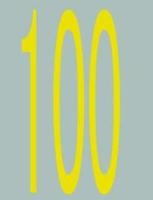
A. average speed is 100km/hr
B. minimum speed limit is 100km/hr
C. 100km/hr speed limit ban is lifted
D. maximum speed limit is 100km/hr
Answer:D
17. When driving at night on a road that has good lighting, the driver should use _______.
A. The fog light
B. The low beam light
C. The high beam light
D. The hazard lights
Answer:B
18. Whats the meaning of this sign?

A. rest area
B. service area
C. car park
D. observation deck
Answer:A
19. Cannot make a U turn in this section.

A. Right
B. Wrong
Answer:A
20. It lights to indicate that ______

A. the head fog light is turned on
B. the low beam light is turned on
C. the high beam light is turned on
D. the tail fog light is turned on
Answer:C
21. If a person who has caused a major traffic accident and if his act constitutes a crime, he may not be held for criminal liabilities.
A. Right
B. Wrong
Answer:B
22. What is this manipulation device?
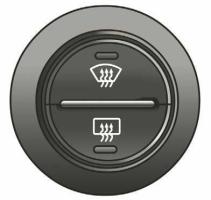
A. switch of the turn signal
B. switch of the head lights
C. switch of wiper
D. switch of defogger
Answer:D
23. The cycle for recording the accumulated penalty points for violating road traffic regulations is ____________.
A. 14 months
B. 12 months
C. 6 months
D. 10 months
Answer:B
24. Overtaking is allowed when passing a level crossing in city where no train passes.
A. Right
B. Wrong
Answer:B
25. Which is correct when changing lane?
A. turn on the directional signal and turn left quickly
B. reduce speed properly when entering the left lane
C. cannot interfere other vehicles
D. speed up to enter the left lane
Answer:C


